




Does the 2026 Chevrolet Equinox Have a 3rd Row?
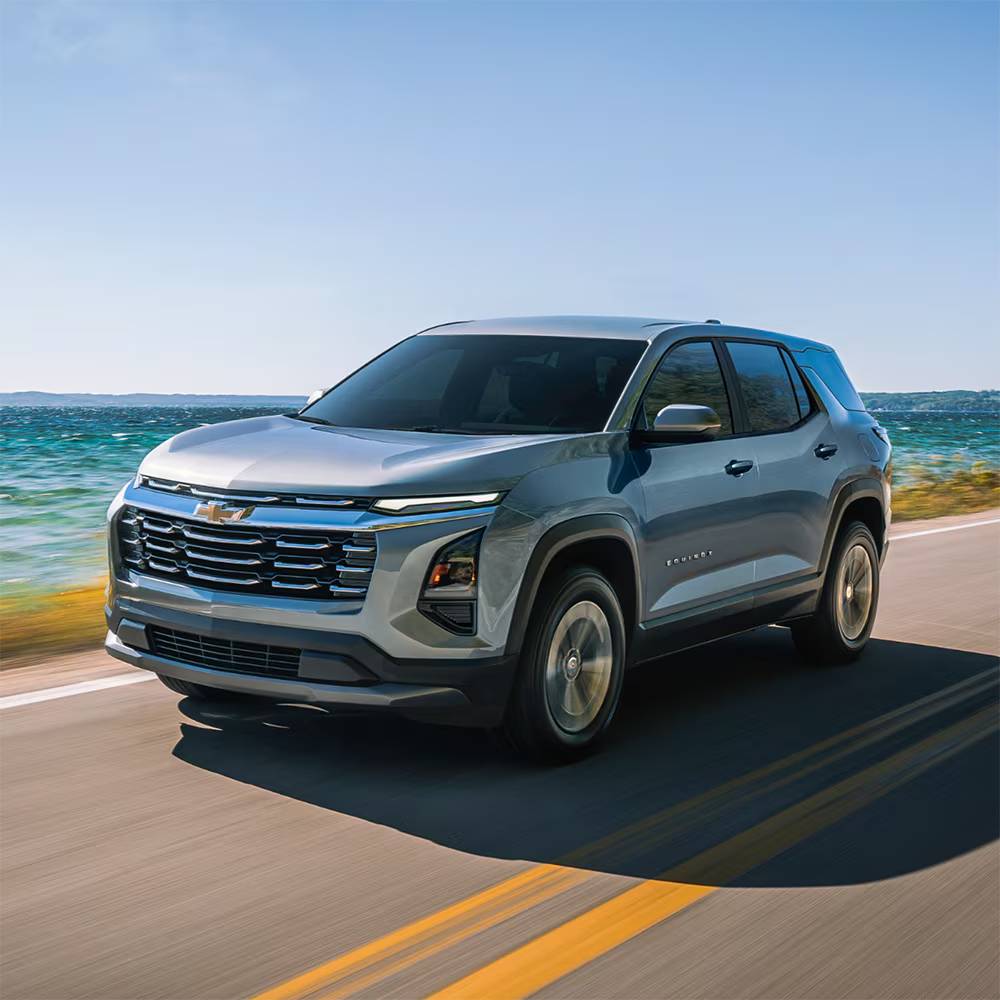
The 2026 Equinox is one of the most recent additions to the Chevrolet family. This model is cut above its predecessor, as it offers a better driving experience and more advanced features. Like most families in Washington, you probably want to know its seating capacity to decide whether it’s a good buy.
Does a Chevy Equinox have a third row, or how many people can it seat? Our team at Titus-Will Chevrolet will answer that question and share more details about this model and its more spacious alternatives.
Chevrolet Equinox Third Row Seating: The Complete 2025 Answer
The 2026 Chevy Equionox doesn’t have third-row seating. It’s designed as a compact two-row SUV for small families, focusing on fuel efficiency and practicality. Despite its two-row design, the 2026 Equinox boasts a spacious and comfy interior with seats for five people. You’ll get 40 inches and 40.9 inches of front headroom and legroom, respectively. With about 58 inches of shoulder room, you can sit next to an adult without feeling boxed in.
The Equinox offers 39.9 inches of legroom and 39.3 inches of headroom for rear passengers, boosting comfort for taller passengers. Its second row has a 60/40 split-bench design, so there’s enough space to accommodate three people.
Chevrolet Models That Do Offer Third-Row Seating
Need a Chevrolet model with a third row? At Titus-Will Chevrolet, we have a massive inventory of both used and new Chevy vehicles. Below are our top picks:
Chevrolet Traverse: The Three-Row Family SUV
The Chevy Traverse is a mid-size SUV with three rows of seating, enough for eight passengers. It offers 23.0 cubic feet of cargo space when all the seats are up. Folding the 60/40-split third row can increase the cargo room to 57.8 cubic feet. If you still need more space, fold the second row to get 98 cubic feet.
Chevrolet Tahoe: Full-Size Third-Row Comfort
The Chevy Tahoe flaunts an adult-friendly third-row design with seating for 7-9 people. That aside, it has a host of other family-focused features, such as a maximum cargo space of over 120 cubic feet. This means you’ll have plenty of room to carry your stuff when heading to Owen Beach for a weekend getaway with your spouse or other fun locations in or outside Tacoma.
Chevrolet Suburban: Maximum Passenger and Cargo Space
Supposing you need a full-size SUV, opt for the three-row Suburban, one of the largest Chevy models. It offers a cargo space of over 140 cubic feet when the second and third rows are down. Upper trims have power-folding third-row seats, making it easier to load or offload cargo or passengers.
Best Alternatives to Equinox for Third Row Needs
Exploring other auto manufacturers’ offerings is wise when shopping for a family-friendly three-row vehicle. Here are some solid options:
Honda Pilot
The Honda Pilot is a mid-size SUV with seating for up to eight people. It offers more front and rear headroom, legroom, and shoulder room than the Equinox. When all the seats are up, the Equinox provides a cargo space of up to 29.8 cubic feet, beating the Pilot’s 18.6 cubic feet.
Toyota Highlander
When it comes to legroom, headroom, and shoulder room, the Highlander has an edge over the Equinox. The former has a cargo room of 16.0 cubic feet behind its third row. This gives the Equinox the upper hand in this category since it offers nearly 30 cubic feet behind its second row.
Making the Right Choice: Equinox vs. Three-Row SUVs
Choosing between the Equinox and its three-row alternatives can throw you a curveball. When is the compact Chevy SUV your best pick? Let’s find out.
When the Equinox Is the Better Option
Select the 2026 Equinox when:
- You want a more fuel-efficient car. It has a fuel economy of 26 mpg city and 31 mpg highway, which is better than what several three-row models like the Traverse offer.
- You need a compact car that is easier to drive on crowded streets and park in small parking lots. Larger three-row vehicles don’t present this advantage.
- You’re on a tight budget. The 2026 Equinox’s starting MSRP is $28,700, while a larger option like the Tahoe is priced at $59,000.
When You Actually Need a Third Row
Choose a third-row SUV over the 2026 Equinox if:
- You have a large family with over five people to guarantee comfort.
- You regularly need extra seating and cargo space for outings and other activities. When the seats are folded, third-row vehicles offer more room than the 2026 Equinox.
2026 Chevrolet Equinox Interior Features
While the 2026 Equinox didn’t make the list of Chevy vehicles with 3rd row seating, it has a cozy cabin with various tech and comfort features. These include:
- Active noise cancellation for a quieter cabin environment.
- Heated front seats to increase comfort during the coldest periods in Tacoma, which are between December and February.
- Dual-zone climate control to help you personalize temperature settings for yourself and the front passenger.
- 11.3-inch infotainment touchscreen with Google built-in, Android Auto, and Apple CarPlay, helping you integrate your smartphone and Google apps.
Frequently Asked Questions About Equinox Third Row
Below are some commonly asked questions about the 2026 Equinox’s third-row seating.
Can You Add a Third Row to a Chevrolet Equinox?
No, the Chevy Equinox doesn’t provide a third-row seating option because it has a two-row seating configuration.
What’s the Smallest Chevy SUV with Third Row Seating?
With a maximum cargo space of 98 cubic feet, the Traverse is the smallest Chevrolet SUV with a third row.
How Much More Does a Third-Row SUV Cost?
Third-row SUVs can cost $5,000-$25,000 more than two-row vehicles, depending on the class, brand, and trim.
Test Drive a 2026 Chevrolet Equinox
The 2026 Equinox is a safe bet if you’re looking for a reliable two-row SUV that can also turn heads in Tacoma, Washington. Ready to make your purchase? Contact Titus-Will Chevrolet to schedule your test drive today. Let’s explore the available LT, RS, and Activ trims together and help you make a choice.

Fall has arrived in Tacoma, and with it comes that magical mix of crisp air, jack-o’lantern grins, and spooky delight. If you’re hunting for fun ways to celebrate Halloween with your kids (without traveling an hour or more), you’re in luck. Here are five fantastic Halloween activities open to the public, all within about a 30-minute drive of Tacoma, WA, plus some bonus ideas to fill out your spooky season calendar.

Halloween-themed Jack-o-lantern Lamp Near October 31 Calendar byAleksandar Cvetanovic is licensed with Pexels License
Let’s get right into the fun:
1. Zoo Boo at Point Defiance Zoo & Aquarium
If your little ones like animals and candy (or both!), Zoo Boo is a must. Held October 18–19, 2025, from 9:00 a.m. to 3:00 p.m., Zoo Boo invites kids to wear costumes, meet costumed animals, play ghostly games, and even watch underwater pumpkin carving in the aquariums. It’s free with zoo admission (or with membership). This is a perfect daytime, family-friendly Halloween outing that’s very Tacoma-accessible.
2. Tacoma Halloween Parade & Street Fair
If you want a big community vibe, mark your calendar for the Tacoma Halloween Parade and Street Fair. This year’s parade is slated for October 18, with a spooky street fair running from early afternoon until evening. Along McKinley Avenue, expect floats, costumed walkers, performances, and trick-or-treat stations. It’s free and fun for all ages, and is right in Tacoma, making it super convenient.
3. Harvest Fest at People’s Community Center
Looking for something low-key but delightful? Harvest Fest at People’s Community Center (October 31, 2025, from 4:00–6:00 p.m.) offers safe, family-friendly Halloween fun, with costumes encouraged, arts & crafts, a pool activity, and treat bags. It’s free (or a nominal $5 drop-in for non-members), no pre-registration required, and perfect for younger children or families who want gentle Halloween fun without the scares.
4. Eastside Community Center Haunted Night
For a dose of mild thrills, check out the Eastside Community Center Haunted House. Parks Tacoma is hosting a night of thrills, a haunted house, photo booths, and treat bags. It’s suitable for all ages (though kids under 10 must be accompanied), and it’s a manageable, local option that doesn’t require a long drive or a full fright commitment.
5. Trunk or Treat at LeMay America’s Car Museum
This is a fun twist combining cars with candy. LeMay Car Museum’s Trunk or Treat invites families to trick-or-treat among creatively decorated cars and enjoy a Halloween evening in a unique setting. The event offers a safe, festive environment for kids to roam, pick up treats, and enjoy the museum backdrop.
6. Frighthouse Station (Bonus: Haunted Attraction for Families Who Dare)
If your family leans toward the spooky end, consider Frighthouse Station, Tacoma’s seasonal haunted house with 30+ rooms and an immersive storyline. While this is more intense than the other picks, it’s a local haunt that many thrill-seeking families will love (just be sure to check age recommendations and scare level before going).
7. Halloween on the Hill Tacoma Community House
Another fun, free trunk-or-treat style event: Halloween on the Hill (October 25, 3:00–5:00 p.m.) is a community event where kids can trick-or-treat in a safe, neighborhood atmosphere hosted by Tacoma Community House. It’s an especially nice option if you want something close to home.
8. Haunted Theatre at Tacoma City Theaters
If your family enjoys performance arts, Haunted Theatre presents a dance production full of witches, ghosts, monsters, pumpkins, and skeletons, all staged in a fun, theatrical way. It’s a great indoor option when the weather turns cold or rainy.
Your Halloween Game Plan (And a Little Tip from Titus-Will Chevrolet)
There you have it! Eight excellent Halloween options for families within a comfortable drive of Tacoma. From animal-themed fun at Zoo Boo, to the excitement of the Tacoma Parade, to safe trunk-or-treat nights and theatrical chills, there’s something for every age and appetite for spookiness.
Start with a general roadmap: use the parade or Zoo Boo as anchor events, add a trunk-or-treat or community center outing for quieter days, and perhaps brave Frighthouse Station if your children are ready for something scarier. Don’t forget to double-check dates and times as the season approaches.
Oh and one more thing: if you end up driving past or through Tacoma’s neighborhoods, swing by Titus-Will Chevrolet to learn how we can help you find your next vehicle. Enjoy the ghostly fun, Tacoma! Let me know if you want printable event calendars, costume ideas, or tips for photographing your trick-or-treaters.
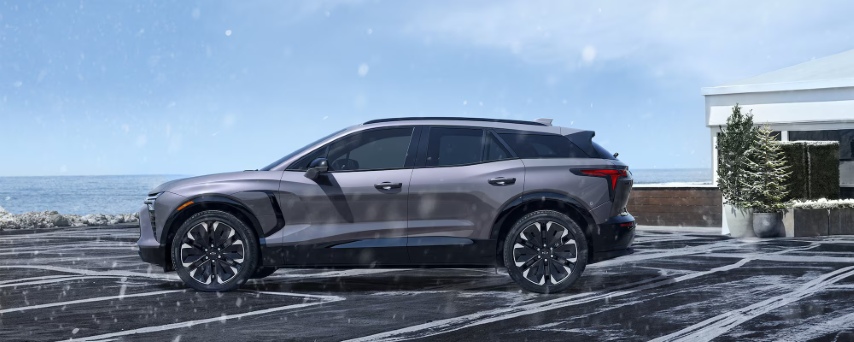
Chevy SUVs offer available all-wheel drive that’s ideal for stormy weather in the Pacific Northwest. This provides extra traction in Tacoma’s hilly terrain. Three-row Chevy family cars like the Chevy Traverse, Tahoe, or Suburban have all received high safety ratings. They come with multiple airbags, advanced driver assistance systems, and teen driver safety controls to give families peace of mind. Chevys also offer competitive fuel economy, reasonable maintenance costs, and strong resale value.
Complete 2026 Chevrolet SUV Lineup for Tacoma Families
Here are some of the best Chevrolet SUVs for families in Tacoma.
Compact SUVs Perfect for Urban Tacoma Living
Compact SUVs are an efficient and comfortable option for many families. They’re smaller, so they make it easier to handle Tacoma’s busier streets than larger SUVs.
- Chevrolet Trax: An affordable SUV with seating for five, a 60/40 split-folding rear seat, and up to 54.1 cubic feet of cargo space
- Chevrolet Trailblazer: A spacious interior with seating for five, a fold-flat front passenger seat for longer items, and an optional hands-free liftgate for easy loading
Mid-Size Family SUVs: The Sweet Spot for Most Families
Families in Tacoma may consider a mid-size SUV because it offers more passenger and cargo space.
- Chevrolet Equinox: Includes a LATCH system for car seats and a comfortable interior with ample passenger and cargo space, a hidden underfloor storage compartment, and available heated seats
- Chevrolet Blazer: A sporty appearance with 60/40 split-folding rear seats, a hands-free power liftgate, available wireless charging, and rear seat reminder
- Chevrolet Traverse: A spacious three-row interior for up to eight passengers, a large 17.7-inch touchscreen, a power liftgate, and up to 98 cubic feet of cargo space
Full-Size SUVs for Large Families and Adventures
You might consider a full-size SUV in Tacoma if you have a larger family or need packing space for the occasional road trip. Full-size SUVs are also better for heavy towing, such as trailers and boats.
- Chevrolet Tahoe: A spacious three-row SUV with flexible cargo space, a 17.7-inch touchscreen, and an optional entertainment system in the back
- Chevrolet Suburban: Spacious seating for up to nine, optional back-seat entertainment, and up to 144.7 cubic feet of cargo space
Electric Options: Chevrolet Equinox EV for Eco-Conscious Families
An electric SUV can be a great option in Tacoma if you want to save on fuel costs. They’re useful if you have access to home and public charging and are looking for a quiet vehicle with potentially lower running costs.
- Chevrolet Equinox EV: Spacious seating for five with a dual-height cargo floor for versatile storage, fold-flat rear seats, and a Wi-Fi hotspot
Finding Your Perfect Match
When choosing the ideal SUV, you’ll want to think about your specific family needs and choose accordingly.
- Family Size and Seating: Think about your current and future family size. Do you often need to carry extra kids to and from school or extramurals?
- Daily vs. Weekend Adventures: While your daily needs are most important, you’ll also want to consider your weekend needs, such as if you want to head off on road trips that require off-road capability.
- Budget Considerations: Choosing the right SUV comes down to what you can afford. Our team can help you find the best value for your money and offer caring advice about whether it’s better to lease or buy.
- Cargo Space: Consider your family’s needs and what you need to fit in your SUV, such as sports gear or adventure gear like surfboards.
Top Safety Features Every Tacoma Family Should Prioritize
From Chevrolet Safety Assist to weather-specific technologies and teen driving controls…
Chevrolet Safety Assist Standard Features
Chevrolet SUVs come with Chevy Safety Assist, a suite of six advanced driver-assistance features standard across many 2026 models. This includes automatic emergency braking, front pedestrian braking, lane keep assist with lane departure warning, forward collision alert, following distance indicator, and IntelliBeam automatic high beams.
Weather-Related Safety Technologies
Chevrolet includes improved traction control, stability control systems, and IntelliBeam headlights that automatically adjust to changing light conditions. These features help keep you and your family safe on wet, icy, or uneven roads.
Teen Driver Safety Controls
If you have a teen or soon-to-be teen, you’ll want certain safety controls in place for them when they get behind the wheel. Teen Driver Safety Controls offer peace of mind by letting you set speed alerts, volume limits, and driving habit reports. These tools help encourage safer driving behavior.
Tacoma-Specific Advantages and Local Dealership Benefits
There are plenty of reasons we recommend buying a car in Tacoma, rather than from further away.
Best Local Chevrolet Dealerships in Tacoma Area
Titus-Will Chevrolet in Parkland offers an extensive inventory of new and certified pre-owned Chevy vehicles. Take advantage of expert financing options and tailored customer service that’s all about meeting your family’s needs. Our local presence means you won’t have to travel far for a test drive. Plus, you’ll have easy access to customization and ongoing support.
Service and Maintenance Considerations
Our service center has a team of GM-certified technicians who use genuine Chevrolet parts. This means you’ll always receive reliable maintenance with speedy turnaround times. Our service center offers flexible scheduling and family-friendly facilities (including TVs and free Wi-Fi) to make maintenance easier.
Resale Value in the Pacific Northwest Market
Chevrolet SUVs hold their value well in the Pacific Northwest. They’re popular, reliable, and can handle the local weather and terrain. The good news is that local drivers will always have a need for AWD vehicles and family-friendly SUVs. Choosing a local dealership also maximizes resale opportunities. If you take care of your vehicle and can show your dealer service history, you’re more likely to attract more buyers in Washington’s competitive market.
Best Chevrolet SUV for Different Tacoma Family Types
The Traverse is the best Chevrolet SUV for Tacoma families, as it offers seats for up to eight and best-in-class cargo space. However, families on a budget may prefer the Equinox, as it’s an efficient and affordable mid-size SUV. Larger families who want to tow should consider the nine-seater Suburban, while adventure-oriented families will appreciate the Blazer for its off-road capabilities. Want to test-drive a few options? Visit Titus-Will Chevrolet today.
Top 5 Tips for Buying a Used Chevy in Tacoma

If you’re looking to buy a used Chevrolet in Tacoma, you’re making a smart move. You’ll be able to avoid the large depreciation costs of buying new while still getting a reliable car. Chevy has a long history of building dependable vehicles, which means you’ll have many excellent used options. In this used car purchase guide, we’ll discuss our top five tips for buying a used car.
Tip 1: Research Which Chevy Model You Want
Research the model and year you want. Read reviews and guides from trusted sources, such as J.D. Power, Car and Driver, Kelley Blue Book, Edmunds, and MotorTrend. It’ll also help to check the National Highway Traffic Safety Administration website for any information about recalls and safety. If you’re looking for a starting point, feel free to browse our used Chevrolets for sale.
Tip 2: Set a Realistic Budget and Secure Financing
As you narrow down your list of cars that you’d like, don’t forget to consider the price. Think about your budget, insurance prices, and any regular expenses for your car, such as maintenance and fuel. If you have a trade-in, you can figure that into your budget, too.
Decide on how you’ll secure financing. Typically, the better credit score you have, the better financing terms you can get. With that in mind, compare financing rates from different banks and our dealership. To make this step easier, you can get preapproved for financing with our dealership online.
Tip 3: Inspect the Vehicle Thoroughly
Once you find a used car that sounds promising, you’ll want to see it in person. It’s time for the inspection. Focus on three main areas as you look it over. The exterior, the interior, and under the hood. Don’t know a lug nut from a timing belt? Consider bringing a friend who knows about cars along. Shopping with a trusted and certified dealer, such as Titus-Will Chevrolet, will ensure that you’re getting a dependable used Chevy.
Exterior Inspection
While you inspect the exterior, check for any signs of damage, rust, and faded paint. Don’t forget to bring a flashlight to check underneath the car as well. If you see any misaligned panels or mismatched paint, that may indicate the car was repaired after an accident. You should ask about the repair and accident history, especially if you see those signs. Finally, it’s wise to look at the tire wear patterns, as uneven wear might indicate an alignment issue.
Interior Inspection
Make sure you test all of the electronic systems and components inside the car. Use your research about the model to ensure all of its features and technology work properly. Also, see if any dashboard warning lights are on. If so, you should ask about any service the car may need. Don’t forget to check the steering wheel, seats, and trunk for signs of wear or damage.
Under-The-Hood Inspection
Use a flashlight while inspecting everything under the hood. Ensure that there’s nothing broken or heavily rusted. Also, check for any leaks and that the engine oil has been recently changed. Remember, dark or black oil indicates that the oil may not have been changed regularly.
Tip 4: Know What To Look for During a Test Drive
Before driving, verify that your insurance covers test drives. Make sure you bring your driver’s license and plan a route that’ll put the car through as many different types of driving scenarios as possible.
During your drive, you’ll want to test how the car handles riding through a neighborhood, in stop-and-go traffic, on the highway, and in a parking lot. Check if the transmission shifts smoothly and if the brakes work properly. While driving on the highway, ensure that the car doesn’t pull to one side or make any excessive noises or vibrations. A good suspension will absorb bumps smoothly.
If everything went well during your test-drive, that’s a positive sign. After you return, it’s a good idea to reinspect the exterior and under the hood for any changes.
Tip 5: Secure All Proper Documentation Before Purchase
Before you finalize your purchase, make sure you verify the title, registration, and any service records. If anything seems strange or unaccounted for, you may be better off walking away from the offer. Otherwise, you could use minor problems as leverage in your price negotiation. When you shop with our dealership, we’ll make sure everything is in order before you make your purchase.
Bonus Tips: Post-Purchase Essentials
If you didn’t buy your car from a certified Chevrolet dealership or didn’t have a prepurchase inspection, we highly recommend letting our mechanics look at your car. We can help you spot any hidden problems and suggest solutions.
You should also promptly handle any important ownership and insurance documentation. While you’re getting your paperwork organized, it’ll also help to create your maintenance schedule. It’s important to follow all Chevy-recommended maintenance, especially with older vehicles. Doing this will save you money in the long term.
Why You Should Buy Used From Our Dealership
While there are many options for used Chevys around Tacoma, buying from our dealership is one of the best choices you can make. Our friendly team can guide you through the whole buying process, and our factory-trained technicians will give you an honest assessment of what’s on our lot.
Since we are a certified Chevrolet dealership, we also offer certified pre-owned models. To become certified pre-owned, a Chevy must meet strict requirements. The car must be under 6 years old, have fewer than 75,000 miles, have a clean title, and pass a rigorous 172-point inspection. When you purchase a certified pre-owned Chevy, you get a variety of benefits. These benefits include a six-year or 100,000-mile powertrain warranty, a 12-month or 12,000-mile bumper-to-bumper limited warranty, free scheduled maintenance for two years or 24,000 miles, and roadside assistance for six years or 100,000 miles.
Buy Your Used Chevy at Titus-Will Chevrolet
If you want a used Chevy, we invite you to visit our dealership in Tacoma, Washington. You can check out our certified pre-owned inventory and work with our Chevy experts on finding the right model for you. Contact us today to find your perfect used Chevy.
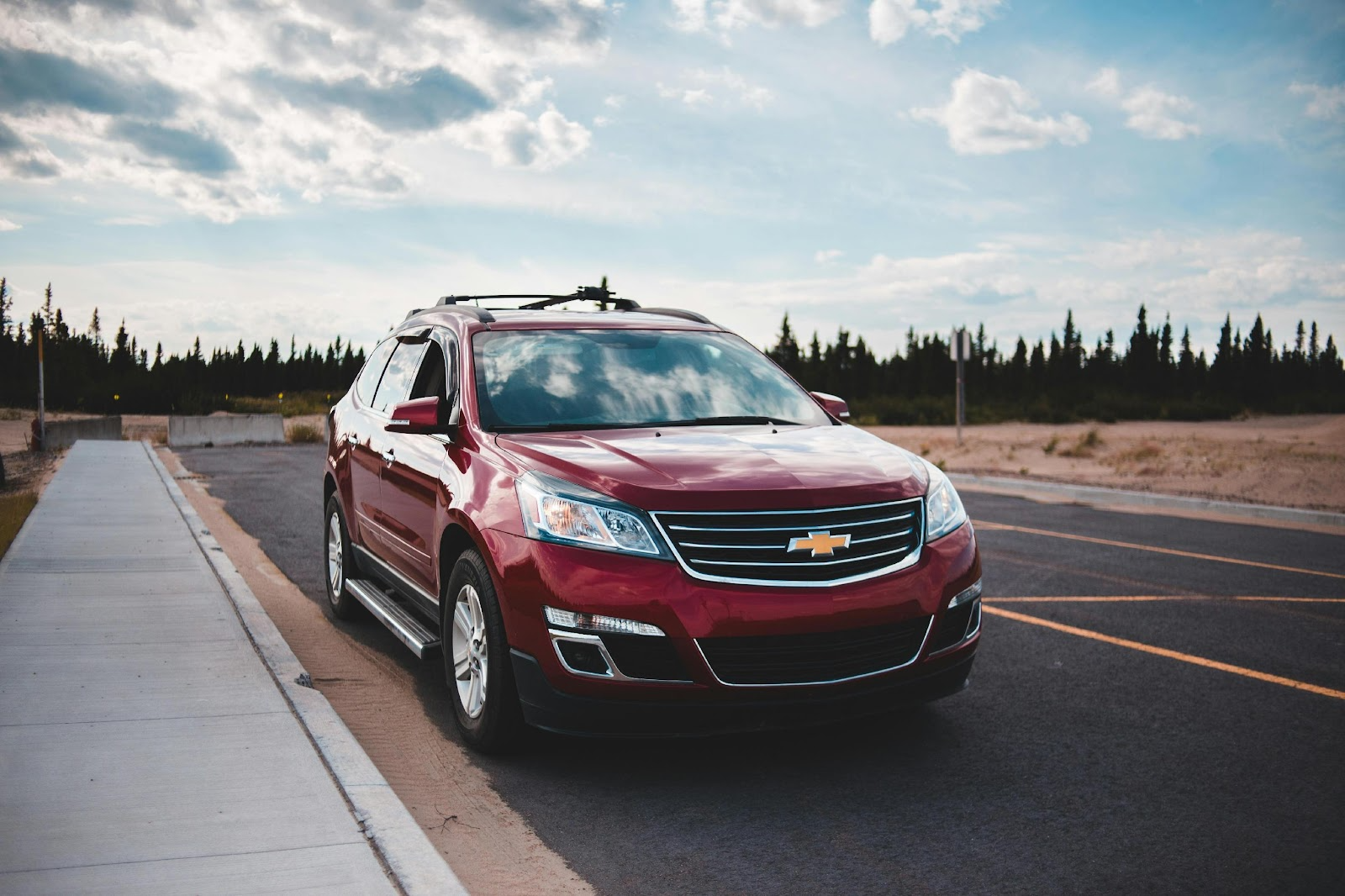
Buying a preowned Chevrolet in Washington involves tough choices, especially between certified preowned and used vehicles. But what’s the difference between certified preowned vs. used Chevys? This guide, compiled by us at Titus-Will Chevrolet in Tacoma, explains everything from warranties to prices and what you can expect when buying a preowned Chevy in 2025.
What Does Certified Preowned Mean?
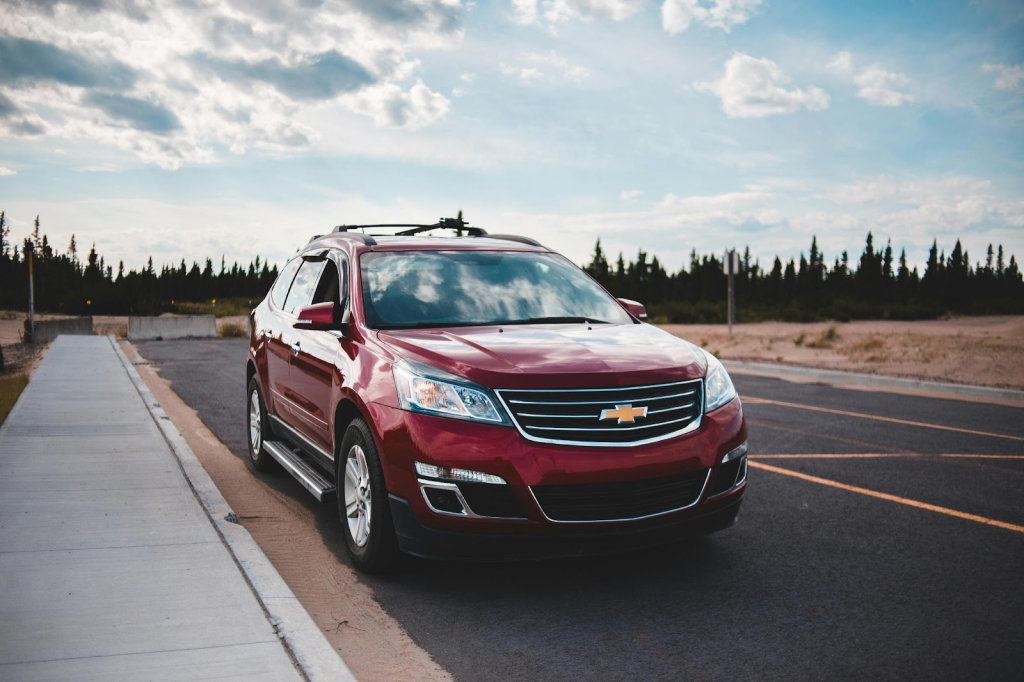
New modern car on road near sidewalk under shiny sky by Erik Mclean is licensed with Pexels License
Certified preowned, or CPO, vehicles are used vehicles that have passed a series of manufacturer-specified tests, and the Chevrolet Certified Preowned program sets a high standard for the quality of its used cars. Certified preowned Chevrolet vehicles go through a rigorous 172-point inspection by certified Chevrolet technicians who check everything from engine performance to radio function. Cars must be under 6 years old, have fewer than 80,000 miles, and have a clean title. Safety recalls are repaired, and you’ll receive a CARFAX Vehicle History Report.
Besides factory coverage, certified preowned Chevys come with a six-year/100,000-mile powertrain limited warranty from the original service date and a 12-month/12,000-mile bumper-to-bumper limited warranty. This covers major components such as the engine, transmission, and electrical system.
During the powertrain warranty period, you’ll get 24/7 roadside assistance and courtesy transportation. There’s a scheduled maintenance program that includes visits every two years or 24,000 miles, as well as a three-month SiriusXM trial. The certified preowned warranty transfers free to new owners, potentially increasing resale value.
What Defines a Regular Used Chevy Vehicle?
Used Chevys from dealerships, small lots, and private owners don’t receive a detailed manufacturer-specific inspection. Good dealers perform multipoint checks and repair obvious problems, typically spending about $1,000 on each used car. You’ll have more choice of age, condition, and price in regular used car inventories.
Your buying source influences safety and experience. Dealerships charge around 12% more than private sales due to overheads, but do offer legal protection. Private sellers price cars 10%–15% lower, but many admitted to selling them with major mechanical issues.
There’s minimal protection with used cars, and they’re often sold as-is with no warranty, putting repair costs on you. Some dealer-used cars include short-term limited warranties or remaining factory coverage, but these don’t match certified preowned benefits. Regular used cars are suitable for car-savvy or budget-conscious buyers.
Key Differences: Certified Preowned vs. Used Chevys
Money matters go beyond just the sticker price — let’s see why Certified preowned vehicles are worth it. The average cost of a certified preowned vehicle is around $30,650, which is about 4.1% more expensive than non-certified ones that average around $29,444. Certified Chevrolets often qualify for better loan rates, including a 0% annual percentage rate for buyers with good credit. That’s significant since used car loans averaged 12.01% in the second quarter of 2024, while new loans averaged 6.84%.
The quality check process shows the largest difference between used and certified preowned Chevrolets. To recap, certified preowned vehicles pass robust inspections and come with an AutoCheck or CARFAX report. Dealerships typically conduct basic once-overs on used cars, which may overlook potential problems, whereas private sellers usually sell their vehicles as-is.
Backup plans differ between the two. Certified preowned includes a vehicle exchange program for the first three days or 150 miles, as well as warranty coverage, roadside help, and maintenance programs for ongoing support. Regular used cars don’t offer this protection, though the lower pricing might offset some risk if you’re comfortable with minimal coverage.
Pros and Cons: Making the Right Choice for Your Needs
The benefits of certified preowned vehicles justify their pricing. According to a Consumer Reports study, they had roughly 14% fewer problems than other used cars in a survey of over 300,000 vehicles from 2000 to 2023. The 2022 Chevrolet Equinox scored 90/100 for reliability.
Non-certified used vehicles are suitable for budget-conscious buyers. You’ll save money upfront, and you’ll often find a wider range of options. This allows you to search for specific used models, colors, or features that may not be available in certified preowned pools.
Finding the Right Chevy: Where To Shop and What To Look For
Your shopping plan should consider whether you want a certified preowned or a used car. Certified preowned Chevrolet dealerships offer all-in-one car selection, financing, and documentation in a secure setting with consumer protections. Popular certified preowned Chevrolets include the Silverado 1500, Trax, Traverse, Equinox, Tahoe, and Suburban. First-time drivers often choose the Colorado, Trailblazer, Malibu, or Bolt EV. Used car dealerships, small lots, or private sellers provide diverse pricing, selection, and buyer protection.
Certified preowned negotiation differs from used car negotiation. Certified preowned prices tend to be solid because of their standard quality and warranty, but check Cars.com, Edmunds, and Kelley Blue Book to avoid overpaying. Know your budget, do your research, and be ready to leave if you’re not happy with the deal. Non-certified used cars are more flexible on price, especially with private sellers who need quick cash. Small businesses often have lower overheads and can offer good deals and personalized service.
Regardless of your approach, a thorough inspection of the car is crucial. Inspect cars during daylight in busy areas, and bring a flashlight, notebook, camera, paper towel for oil checks, and a small magnet to test steel panels. Check for body damage, panel gaps, tire wear, fluid levels, and working lights. Test-drive it at highway and town speeds, listening for weird noises. Even with certified preowned cars’ thorough inspections, checking it yourself ensures it meets your expectations.
Choose the Right Chevrolet in 2025 for Your Needs
As we’ve seen, choosing between certified preowned and non-certified used Chevys means balancing budget against security. First-time buyers, those concerned about warranty transfer for resale, and those willing to pay extra for factory backing will benefit the most from certified preowned vehicles. With Tacoma’s rainy winters and mountain driving, 14%-15% fewer problems plus an extensive warranty will put your mind at ease.
A used car makes sense if you know vehicles, want to save 10%-15% off dealer prices, or want more options. Lower upfront costs can be a great deal when combined with mechanical skills or a trusted mechanic for prepurchase checks. It comes down to risk tolerance, car knowledge, and long-term plans.
Make Your Final Decision at Titus-Will Chevrolet in Tacoma
If you’ve done your homework, now’s the time to inspect and test-drive your choice before buying. At Titus-Will, you can arrange to test-drive any car you’re considering, there’s no rush. Whether you want certified preowned security or used car savings, we’re here to help. So, contact us online today to arrange a test-drive, and remember to ask our team about financing options for your new, used Chevy.

Hello, Tacoma residents! Have you ever wondered what’s waiting to be discovered right in your backyard? The Museum District in Tacoma, WA, is filled to the brim with unique experiences that cater to everyone’s interests. Whether you’re an art aficionado, a history buff, or a fan of innovation, Tacoma’s museums offer a surprisingly delightful experience that’s just a short drive away. So fasten your seatbelts—it’s time to explore five must-visit museums that make our city a cultural hotspot.
Museum of Glass
First up on our tour is the mesmerizing Museum of Glass. This museum isn’t just about glass; it’s about revolutionizing the way you envision this transparent medium. With its iconic cone architecture and stunning views of Mount Rainier, the venue itself is an artwork. From contemporary glass exhibits to live glassblowing demonstrations, there is always something fascinating to see. You might find yourself entranced as you watch artists shape molten glass into works of beauty and innovation. The museum’s unique hands-on approach offers an interactive experience that will captivate visitors of all ages.
Washington State History Museum
Next, let’s take a trip back in time at the Washington State History Museum. If you’re intrigued by Washington’s rich heritage, this museum is your gateway to the past. Its engaging exhibits cover everything from Native American history to the industrial boom in the Pacific Northwest. Don’t miss the museum’s detailed model railroad, which recreates Tacoma and the surrounding areas as they existed in the early 20th century. This museum brings history to life, offering a deeper understanding of the state’s rich cultural tapestry through interactive exhibits and historical artifacts.

Tacoma Art Museum
Art lovers, you’ll find your haven at the Tacoma Art Museum. Housing over 5,000 works, the museum seeks to inspire and foster a deeper understanding of the changing meanings of art in the context of the Northwest. The museum often rotates its collections, so there’s always something new to admire. Known for being part of the vibrant community in Tacoma, it offers a reflective experience that combines both American and Northwest contemporary art. Wonderfully accessible and eye-opening, the Tacoma Art Museum acts as a cultural beacon in the heart of the city.
Foss Waterway Seaport
If adventures by the sea are more your style, then the Foss Waterway Seaport is a destination you shouldn’t miss. Housed in a century-old warehouse, this maritime museum explores Tacoma’s proud maritime heritage. Discover the significance of Tacoma’s working waterfront and its connection to the trade corridors of the Pacific Ocean. With interactive exhibits, ship models, and actual vessels, it’s like a love letter to the city’s maritime past and the Salish Sea region. The Foss Waterway Seaport beckons visitors to explore Tacoma’s strong connection to the sea.
Children’s Museum of Tacoma
Last but not least, for those with tiny explorers in tow, nothing beats a visit to the Children’s Museum of Tacoma. This museum offers a playground of learning opportunities for young minds. From interactive educational exhibits to engaging art spaces, the museum is designed with children’s exploration and creativity in mind. The best part? It’s a pay-as-you-will venue, making it accessible for families of all backgrounds to bring their little ones for a day of fun and discovery.
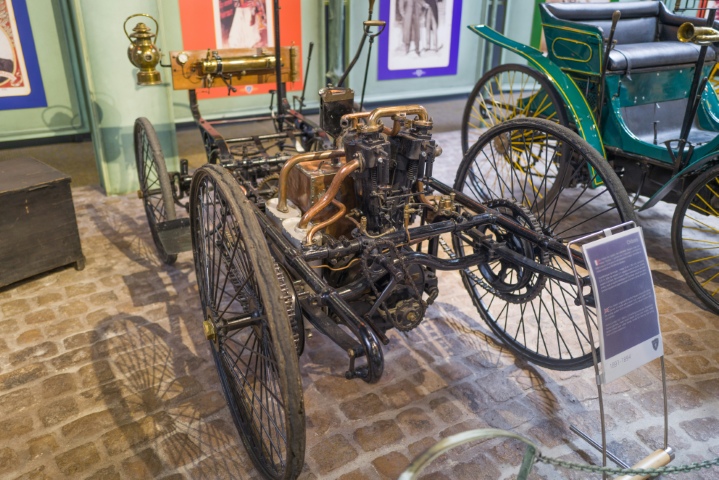
LeMay – America’s Car Museum
Car enthusiasts, get ready to be amazed at LeMay – America’s Car Museum. Situated just a short drive from downtown, this museum is one of the largest automotive museums in the world and perfect for horsepower aficionados. From vintage beauties to modern marvels, the museum showcases an impressive collection of automobiles representing over a century of innovation. Besides the stellar cars, the museum curates rotating exhibits, offering both educational and entertainment value for families and gearheads alike.
Make the Most of Your Museum Visit
Phew! That was quite the whirlwind tour through Tacoma’s rich mosaic of museums. From the dynamic artistic endeavors at the Museum of Glass to the fascinating glimpses of history at the Washington State History Museum, there’s something for everyone waiting in the heart of Tacoma. So next time you find yourself with a free weekend, pack up the family—or grab some friends—and head to these amazing spots to truly appreciate the treasures our city has to offer. Remember, your adventures could be even more enjoyable if you take a reliable ride, so consider checking out some fantastic options at Titus-Will Chevrolet. Enjoy your museum adventure!
Featured image attribution: Photo by ian dooley on Unsplash
If you’re shopping for a new Chevy, you can either lease or buy. Each option has its advantages and disadvantages. You’re the only one who can determine which suits your needs best. Before deciding, it’s essential to know the key differences. Continue reading to learn more about the pros and cons of leasing and buying.
Understanding Leasing and Buying
Before delving deeper into the pros and cons of leasing vs. buying a Chevy for Tacoma residents, it helps to define each option. Leasing a vehicle involves paying a monthly fee for the right to use it for a specified period, typically two or three years. At the end of the lease contract, you can either return the vehicle to the dealership with no further obligations or purchase it at a predetermined price that reflects its current market value.
Buying a vehicle is a more straightforward process. It mainly means that you’ll pay the entire price of your new Chevy, and it will then be yours. You can either pay out of your savings or get a car loan to cover the cost. A loan typically involves making a down payment and then paying monthly installments for the remaining amount, plus interest. After you’ve paid for the Chevy in full, whether out-of-pocket or at the end of your loan term, you become the owner of the vehicle.
Benefits of Leasing a Chevy in Tacoma
Some of the main benefits of leasing your Chevy include:
- Lower monthly payments: The payments are usually lower than those for a car loan, since the dealership will get its vehicle back at the end of the lease term.
- Newer vehicle models: Leasing is a good way to replace your vehicle every few years, which can help ensure you’ll always be driving the latest Chevy generation model.
- Reduced repair and maintenance costs: New vehicles also break down less often than older models, and because you only have it for a few years, you won’t have to cover major maintenance costs.
- Flexibility: Leasing is also the more flexible option; however, leasing can be more cost-efficient than buying and then selling second-hand.
Drawbacks of Leasing a Chevy
Leasing also has its disadvantages. The most relevant are:
- Mileage limitations: Leasing contracts typically include yearly mileage limits, usually ranging from 12,000 to 15,000 miles.
- No vehicle ownership: Leasing may not be the right choice for you if you want to own your vehicle.
- Limited customization options: You can’t make major changes to your Chevy, since you’ll return it once the lease has ended
- Lease-end fees: Your lease agreement may include additional fees, such as the costs of preparing the vehicle for resale.

Advantages of Purchasing a Chevy
Here are some of the advantages associated with purchasing your next Chevy:
- Full ownership: Your Chevy becomes fully yours after you’ve paid it off. It also counts as equity, which can help with your financial stability.
- No mileage restrictions: You can’t face penalties for driving your vehicle too much if you lease your Chevy. If you own it, you can drive it where, when, and as much as you like.
- Unlimited customization: Some drivers enjoy modifying their vehicles. Buying a Chevy allows you to make technical and aesthetic modifications, as long as it’s still street legal.
- No lease terms: The thought that your lease will soon end and you’ll need to find another vehicle will always be on your mind when you lease a vehicle. That’s not the case with full ownership.
Disadvantages of Buying a Chevy
There’s no perfect solution, and buying a Chevy comes with a few potential setbacks:
- Higher monthly costs: Car loan monthly payments are usually higher than lease payments for the same vehicle. It’s up to you to decide if it’s worth it or not.
- Depreciation: Even popular and well-built vehicles tend to lose up to half of their initial value in just a few years. This doesn’t matter if you lease it, but it may affect you financially if you choose to buy it.
- More costly repairs over time: Leased vehicles probably won’t need any major repairs, since they are new, and even if they do, they’re likely covered by warranty. When you own the vehicle, you are responsible for repairs and maintenance, which can add up.
Making the Final Decision
If you’re deciding whether to lease or buy your next Chevy, consider your financial situation first. Buying a car may be more expensive in the short term, but you’ll pay much less than you would if you renew a lease contract every few years. A brand-new Chevy with the latest safety, performance, and infotainment features is included in each new lease contract.
Tailoring Your Decision to Your Lifestyle and Budget
While choosing between buying and leasing can be a big decision, knowing these basic elements will help you make an informed decision. Regardless of which suits you best, you can find your next Chevy in our inventory at Titus-Will Chevrolet’s. Contact us today for more details, or visit us at your convenience.
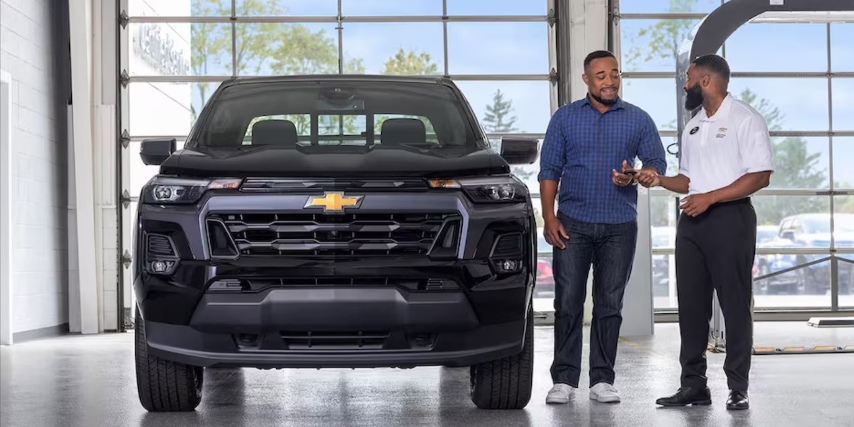
Many people visit dealerships unprepared for their trade-in, resulting in thousands of dollars lost due to a lack of knowledge about how to maximize the value of their car.
With the right approach, you can turn your current vehicle into a significant amount of cash toward your next car. Trading in doesn’t have to be stressful or complicated. You simply need to understand the process and how to negotiate effectively.
Understanding the Car Trade-In Process
If you check out our online inventory and find the perfect vehicle, you may wonder what to do with your current car. The answer is simple: trade it in. So, how does trading in your car work? Simply bring your vehicle to our dealership, and we’ll inspect it. We’ll then provide you with credit toward your new car purchase. Then we handle all the paperwork and sell your old car ourselves.
The vehicle trade-in process usually takes 30 to 60 minutes. A trained professional will inspect your car’s condition and review the mileage. They might review any maintenance records you have. They also conduct a market analysis to determine the current value of your specific model.
The process of trading in a car, from start to finish, is straightforward. First, you fill out a trade evaluation form. Then comes the physical inspection. After that, we give you an appraisal and present our offer. If you accept, the trade-in value will be applied directly to your new vehicle purchase.
This system works for both sides. You get convenience and immediate value. Our dealership gets your business and new inventory to sell.
We’ve simplified the process even more. You can start the appraisal process online and get an immediate cash offer for your vehicle.
Trading in your car can save you a significant amount of money when purchasing a new one. If you’re interested in saving even more money, don’t forget to check out our current new vehicle specials.
What You Need To Know When Trading In a Financed Car
You can trade in your car even if you still have an outstanding loan. Most trade-ins involve financed vehicles. The key is understanding your loan balance compared to your car’s current value.
Trading in a financed car starts with knowing your payoff amount. Call your lender or check online to get the exact number. If your vehicle is worth more than you owe, you have positive equity. That’s money in your pocket. If you owe more than it’s worth, you have negative equity. This amount gets rolled into your new loan.
Don’t let negative equity scare you. Dealerships deal with this every day. They’ll add the difference to your new car loan. Sometimes this makes financial sense, especially if you’re getting a great deal on your new vehicle.
The paperwork is straightforward. You’ll need your driver’s license and, if applicable, your vehicle title. Most lenders retain the title until the loan is paid off, so don’t worry if you don’t have it.
Preparing Your Car for Trade-In To Maximize Value
Preparing a car for trade-in can increase your offer by hundreds or even thousands of dollars. Start with a deep cleaning inside and out, as first impressions matter. A clean car shows you’ve taken care of it. Address minor issues that don’t require significant effort or expense, such as replacing any burned-out bulbs, using touch-up paint on minor scratches, and topping off all fluids.
Increasing car value through preparation involves gathering all your maintenance records. A service history proves that you’ve maintained the vehicle properly, which can significantly boost your appraisal. If you’ve lost receipts, contact your service providers for copies.
Be cautious about overspending on expensive repairs. Major mechanical problems or body damage might not be worth fixing before trade-in. Get quotes first, and compare them to how much value you might gain. It’s better to be transparent about any problems up front.
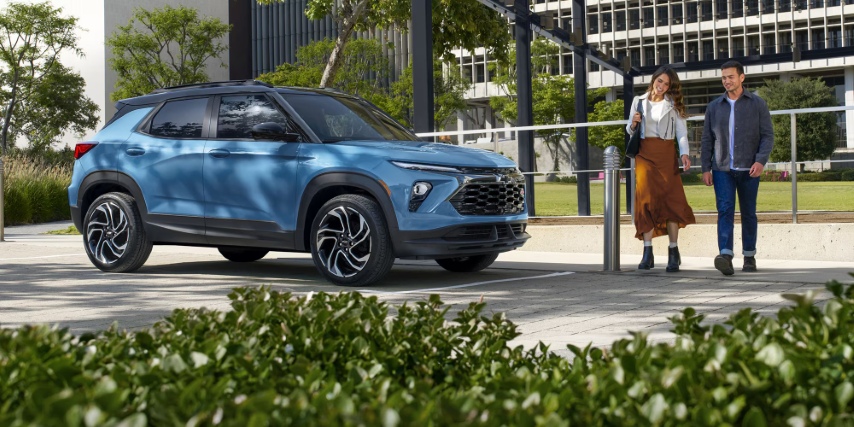
Researching Your Car’s Current Market Value
Knowledge is power when it comes to maximizing the value of your trade-in. Begin by researching your car’s value using online resources such as Kelley Blue Book or Edmunds.
Check multiple sources, as values may vary. Look at both trade-in and retail values to understand the range. Please note that trade-in values are generally lower than private sale prices because dealers need a profit margin to fix up and resell a car.
Local market conditions also impact value. In the Tacoma, Washington, area, all-wheel-drive vehicles may be worth more during the winter months. Convertibles might be worth less in areas with harsh winters.
Negotiating Your Trade-In Value
Negotiating a trade-in requires confidence and preparation. With your research done, you’re ready to discuss value professionally.
Negotiating trade-in value works best when you separate it from your new car purchase. Request a trade appraisal before discussing your new vehicle. This prevents dealers from manipulating the numbers.
Present your research calmly. Say something such as “I’ve researched similar vehicles, and they’re selling for this amount. Can you help me understand your number?” This approach fosters a conversation rather than an argument.
Is Trading In Worth It?
Is trading worth it compared to selling privately? It depends on what matters most to you. Trade-ins offer convenience and immediate value. You’ll be eligible for tax benefits in certain states and avoid the need to advertise and deal with strangers.
If you’re busy, convenience often beats the extra money from private sales. The tax advantage in many states can significantly offset the difference. You only pay tax on the difference between the new car price and the trade-in value.
Ready To Get Top Dollar for Your Trade-In?
Trading in your car for the best value isn’t complicated. But it does require some preparation and confidence.
We’re committed to fair and transparent trade-in evaluations. Our Titus-Will Chevrolet dealership team is well-versed in the local Tacoma, Washington, market and will work to get you top dollar for your vehicle. Ready to find out what your car is worth? Contact us today for a no-obligation trade-in appraisal.

Are you ready to put a little zoom in your weekend and create some unforgettable family memories without straying too far from Tacoma? It’s time to buckle up and hit the road for some incredible day trips that offer just the right amount of adventure, education, and relaxation. Whether you’re a nature lover, a history buff, or simply seeking a change of scenery, we’ve curated the top five family road trips that are both fun and easily accessible. And what’s the best way to get there? In a spacious and reliable Chevrolet, of course, courtesy of Titus-Will Chevrolet! So hop in, and let’s explore what magic lies just around the corner.

Mount Rainier National Park
Just shy of a 30-minute drive from Tacoma, Mount Rainier National Park tops the list for sheer awe-inspiring beauty. Rising majestically to 14,410 feet above sea level, Mount Rainier is an icon in the Washington landscape. Spend the day exploring the park’s lush old-growth forests and vibrant wildflower meadows. Families can enjoy a leisurely hike on one of the many trails, such as the Nisqually Vista Loop, which is perfect for all ages. Be sure to bring a picnic – there’s nothing quite like dining in the shadow of this towering active volcano. The Chevy Traverse offers ample space for your picnic gear, ensuring you’re well-prepared for a delightful day in the great outdoors.
Olympic National Park
Not far from Tacoma, Olympic National Park provides an incredibly diverse landscape, from fog-shrouded beaches to snow-topped mountain ranges. This UNESCO World Heritage Site is a hop, skip, and a jump away, offering endless opportunities for adventure and exploration. Kids will have a blast discovering the park’s temperate rainforests or joining a ranger-led program that’s educational and interactive. If sea and sand are more your speed, the rugged coastline promises tide pools teeming with marine life. A Chevy Suburban is an excellent choice for this trip, providing plenty of room for family, friends, and all the coastal treasures you’re bound to collect.
Long Beach Peninsula
Pack up the family and head to Long Beach Peninsula, a locale that provides a quintessential Pacific Northwest beach experience. Known for its lengthy stretch of sandy shores, Long Beach offers a blend of outdoor activities and small-town charm. Fly kites on the beach, rent bikes, or visit the famed Cape Disappointment State Park. The area is rich with history and offers excellent opportunities for learning and exploration, ideal for curious young minds. The Chevy Equinox strikes a perfect balance between fuel efficiency and comfort, making it a fantastic choice for a seaside escape.

Northwest Trek Wildlife Park
Perfect for those days when you want to stay a little closer to home, Northwest Trek Wildlife Park is a family-friendly safari without the expensive plane ticket. Just a short drive from Tacoma, the park features a drive-through wildlife tour that lets you see bison, moose, and other native animals up close. Kids can also enjoy the accompanying adventure playground, or learn about conservation efforts through fun, interactive exhibits. It’s a perfect destination to inspire wonder and understanding of the region’s natural world. Opt for a Chevy Silverado if you’re looking to add some rugged adventure to your wildlife exploration.
Leavenworth
Who says you need to cross the Atlantic for a taste of Bavaria? Immerse yourself in the charming town of Leavenworth, a place that effortlessly shifts into a magical snow globe or a sun-drenched festival, depending on the season. Just a short drive from Tacoma, Leavenworth boasts beautiful Bavarian architecture, delicious bratwursts, and endless family-friendly activities. From attending a festival to snow-tubing in winter, this enchanting village is bound to have something that appeals to the whole family. The Chevy Tahoe is a perfect travel companion, offering a smooth ride and generous cargo capacity for shopping bags full of European treats.
Time to Make Memories in a New Chevy
As we wrap up this guide to the top five family road trips from Tacoma, we hope you’re inspired to hit the road and explore the beautiful surroundings calling your name. From the towering peaks of Mount Rainier to the coastal retreats of Long Beach Peninsula, these trips promise adventure, education, and quality family time. And remember, whether you’re looking for a vehicle with plenty of cargo space or one that provides unmatched comfort, the perfect Chevrolet is waiting for you at Titus-Will Chevrolet. Here’s to safe travels and unforgettable journeys!
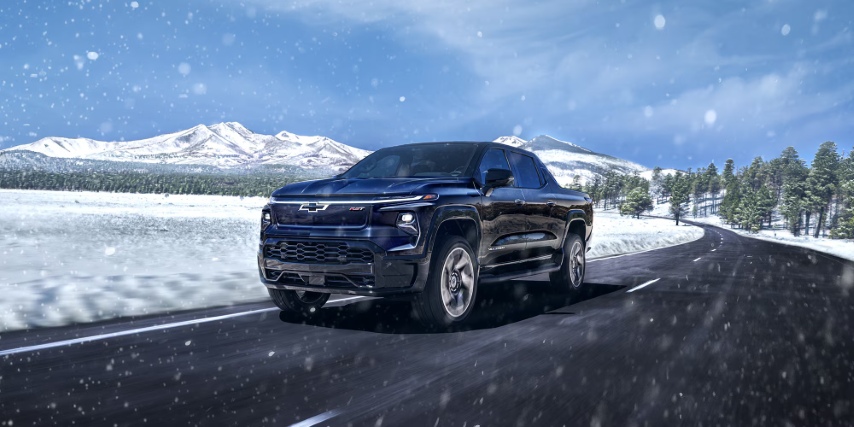
Winter conditions can be harsh and unforgiving, posing challenges for your vehicle. Preparing your car for winter is critical to ensuring safety, performance, and peace of mind. Winterizing your vehicle can help prevent breakdowns and extensive repairs. It will also provide better protection during winter travel when snow or ice is involved. Let our Titus-Will Chevrolet dealership team help you get your car ready for the cold season.
Why Winter Preparation Is Critical for Your Car
Cold and snow can exacerbate mechanical problems, traction issues, and visibility concerns. Regular preventive maintenance can reduce risks and extend your vehicle’s life. Cold thickens motor oil, reduces battery performance and life span, and decreases tire pressure, all of which can compromise your vehicle’s operation. Regular winterization preparation will ensure that critical components, such as brakes or heating systems, will perform correctly when the time comes. The American Automobile Association estimates that vehicle maintenance and tire costs exceed 10 cents per mile traveled. In this case, an ounce of care is worth a pound of cure.
Essential Winter Car Maintenance
Begin with a seasonal inspection to confirm that these primary elements are ready for winter:
- Battery: Cold weather can significantly impact battery performance. Have your battery tested and replace it if it is nearing the end of its life span.
- Tires: Inspect tread depth and pressure. If snow and ice are common in your area, consider converting to winter tires.
- Oil and filter: Use winter-grade synthetic oil that flows more efficiently at low temperatures.
- Coolant levels: Verify the proper mixture to avoid freezing and overheating.
- Brakes: Inspect pads, rotors, and fluid levels to verify safe stopping.
- Window defroster and exhaust system: Ensure that both the front and rear defrosters are functioning correctly, and inspect your vehicle’s exhaust system for potential leaks.
Following these recommendations will help establish a solid foundation for safe winter driving in Tacoma.
Preparing for Winter Emergencies
Even with the best preparation for winter driving, emergencies can still occur. It’s essential to have an emergency kit in your vehicle for safety and survival in case you get stranded. Here are some tips:
- Assemble the essential gear: Your kit should include a flashlight with extra batteries, jumper cables, tire chains, a shovel, an ice scraper, reflective triangles, non-perishable snacks, bottled water, a portable phone charger, and a first-aid kit.
- Pack winter gear: Include a warm blanket, gloves, extra socks, and hand warmers.
- Consider traction assistance: If your vehicle is stuck in snow or ice, using sand, cat litter, or a traction mat can help free it.
- Keep your fuel level up: Maintaining a minimum of half a tank of gas at all times helps eliminate the possibility of fuel line freeze-up and ensures you can keep the heater running if stranded.
Before any long winter drive, always double-check your emergency kit.

Before You Set Off: Travel Tips for Safety in Tacoma
Driving in winter requires more planning than usual. To help you avoid accidents and ensure a smooth trip, consider these tips:
- Check your vehicle: Ensure your tires are properly inflated, brakes are functioning, lights, wipers, and fluids are in good condition, and that your mirrors and windows are clear of ice and snow.
- Know your route: Use GPS devices you trust to plan your trip and check weather forecasts for the whole route. Avoid back roads and shortcuts where the road may be unplowed.
- Stay informed: Sign up for weather and traffic alerts, and check the Washington State Department of Transportation website for the latest road conditions.
- Communicate your plans: Inform a friend or family member of the route you’re taking and an estimated time of arrival.
- Practice safe driving habits: Drive more slowly, increase your following distance, and avoid sudden braking and steering. Use low-beam headlights when it’s snowing or foggy.
Making a few simple adjustments to your driving habits and staying aware of your surroundings can make a significant difference in navigating safely during the winter.

Vehicle Care and Safety Considerations
Winter car care is about more than routine maintenance — it’s about keeping you safe on the road. Here are the key steps to prepare your car for winter:
- Wash your car regularly: Road salt and grime can lead to rust, especially on the undercarriage. Frequent washing helps protect the body and suspension components from corrosion.
- Check and clean exterior lights: Headlamps and taillights must be clean to ensure you’re visible during snow, rain, or fog. Replace any dim or burnt-out bulbs promptly.
- Inspect your battery: Cold weather reduces battery efficiency. If your battery is over three years old, consider replacing it. Always keep jumper cables or a portable jump starter in your car.
- Top off essential fluids: Keep your windshield washer fluid, antifreeze, brake fluid, and oil at proper levels. Use winter-grade fluids and oil if your manufacturer recommends them.
- Test your heating system: Your car’s heater is essential not just for comfort but also for defrosting windows. Address any odd smells, noises, or airflow issues before winter driving.
- Inspect and secure components: Cold temperatures can cause rubber and plastic to become brittle. Check seals, belts, and hoses for cracks or wear, and replace any that show signs of damage.
By combining cleanliness, preventive checks, and proactive maintenance, you’ll help your vehicle stay reliable and safe throughout the winter months. A little preparation now can prevent major issues when temperatures drop.
Visit Titus-Will Chevrolet Today
Winter driving doesn’t have to be stressful – proper preparation is the key. Let the experts at our Titus-Will Chevrolet dealership help you prepare your car with a winter service check. Call us at 253-448-8157 or stop by to see us at 11011 Pacific Ave. South in Tacoma. You can also schedule your service appointment online. We’re here to help keep you and your vehicle ready for every season.
Connect with us


