





2026 Chevrolet Silverado Vs 2026 Toyota Tundra
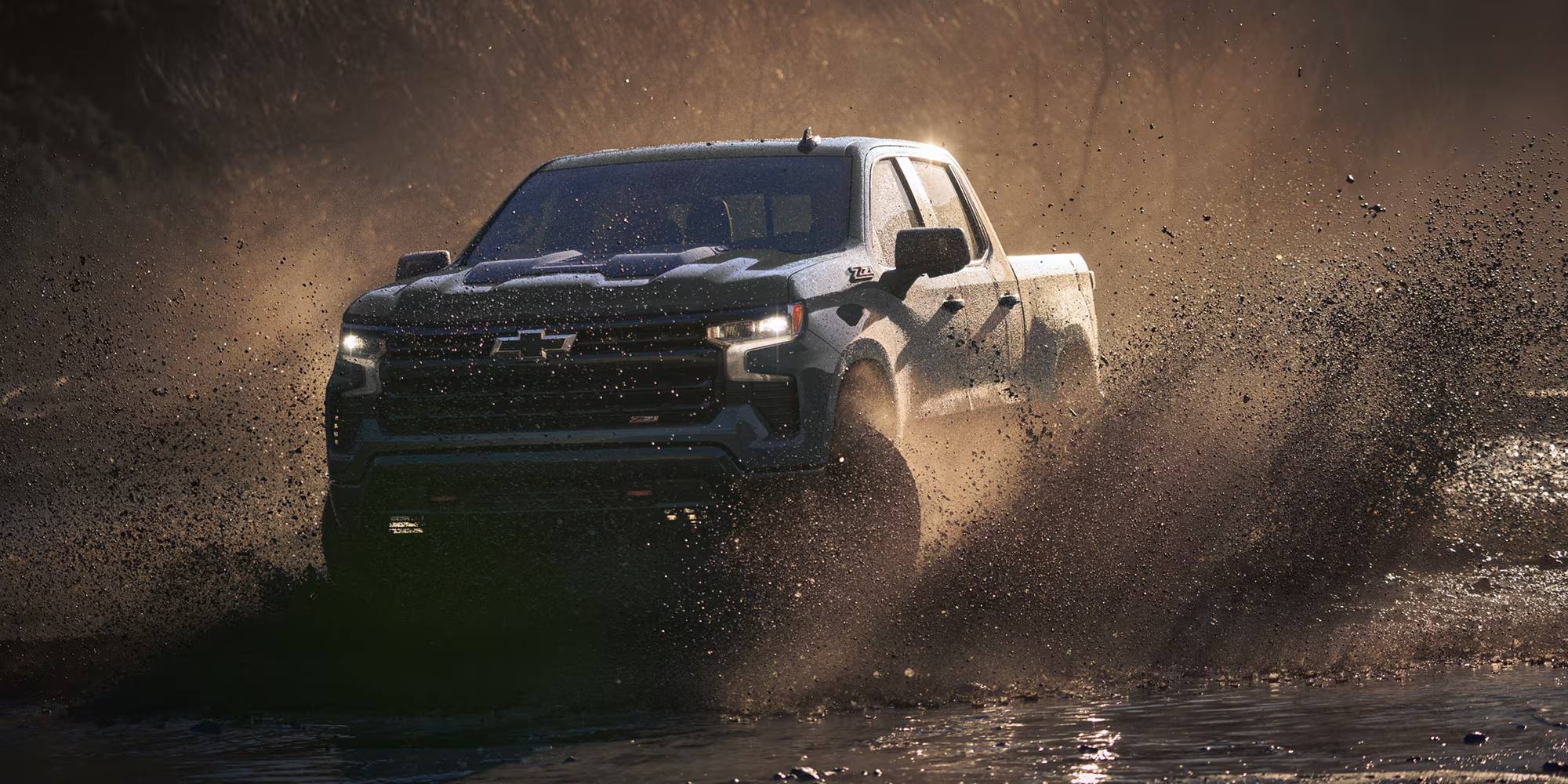
Choosing between the 2026 Chevrolet Silverado and the 2026 Toyota Tundra is one of the most common debates among full-size truck buyers right now. Both are serious contenders with loyal followings. But when you break down towing numbers, trim availability, and day-to-day usability, a clear picture starts to emerge. At Titus-Will Chevrolet, we think the 2026 Chevrolet Silverado 1500 is the stronger choice for most buyers in the Tacoma area, and the specs back that up.
These two trucks reflect genuinely different philosophies. The Silverado is built around versatility, with a wide range of powertrains and trim levels suited to everyone from weekend campers to commercial contractors. The Tundra leans into modern technology and a refined driving experience, with an impressive hybrid option and a premium feel. Knowing where each excels is what helps you make the right call.
Engine and Powertrain: Power for Every Job
Your engine choice shapes fuel economy, towing capacity, daily driving feel, and long-term reliability. It’s one of the most telling differences between these two trucks.
2026 Chevrolet Silverado 1500 Powertrains
Chevrolet gives Silverado 1500 buyers four distinct options: the TurboMax 2.7L turbo-four, the 5.3L EcoTec3 V8, the 6.2L EcoTec3 V8, and the 3.0L Duramax Turbo-Diesel. That kind of selection is genuinely rare in this segment. The TurboMax 2.7L has become a standout choice for drivers who want capable performance without sacrificing fuel efficiency, delivering strong low-end torque for its displacement class.
The 5.3L EcoTec3 V8 has built a long reputation for real-world reliability, and long-term Silverado owners who tow or haul regularly frequently cite its durability. The 6.2L EcoTec3 V8 steps things up further for buyers who want maximum gas performance. For consistent heavy towing over distance, the 3.0L Duramax Turbo-Diesel rounds out the lineup with torque figures purpose-built for that kind of work.
2026 Toyota Tundra Powertrains
The 2026 Toyota Tundra takes a more focused approach. Toyota offers the i-FORCE twin-turbo V6 as the standard engine and the i-FORCE MAX hybrid as an available upgrade, pairing that same V6 with an electric motor for strong torque and immediate throttle response. The hybrid setup is genuinely impressive from an engineering standpoint, and for buyers prioritizing efficiency or sustainability, it makes a real case.
The Tundra doesn’t offer a diesel option or a larger V8 alternative. For buyers who want to match their powertrain to a specific job, that narrower selection may feel limiting. The Silverado simply offers more ways to do that.
Towing and Payload: Where the Silverado Pulls Ahead
On raw capability, Chevrolet’s numbers lead. The 2026 Silverado 1500 is rated to tow up to 13,300 lbs when properly equipped, compared to Toyota’s maximum towing rating of 12,000 lbs for the Tundra. On payload, the Silverado carries up to 2,260 lbs, while gas-powered Tundra models are rated at up to 1,940 lbs. These aren’t cosmetic differences. For drivers hauling a loaded trailer through the Pacific Northwest, or carrying equipment in the bed for a full week’s work, that margin adds up.
The Silverado also comes equipped with an advanced trailering technology package, including Trailer Sway Control, an integrated trailer brake controller, and an available 15-camera surround vision system. These tools simplify towing considerably for drivers who don’t hook up every day but need confidence when they do.
The Tundra’s hybrid powertrain does deliver torque quickly, which helps when pulling from a stop or climbing grades. But on raw towing numbers and the breadth of trailering support, the Silverado consistently comes out ahead. If you’d like to talk through how these specs align with your towing needs, get in touch with Titus-Will Chevrolet and we’ll help you find the right configuration.
Trim Options and Off-Road Capability
The Silverado’s lineup runs deep. The 2026 Silverado 1500 is available in nine trims: WT, Custom, Custom Trail Boss, LT, LT Trail Boss, RST, LTZ, High Country, and ZR2. Three dedicated off-road trims (Custom Trail Boss, LT Trail Boss, and ZR2) mean you don’t have to choose between capability and your preferred price point. That’s a meaningful range, covering basic work trucks through fully loaded luxury haulers.
The ZR2 deserves specific mention. It’s a purpose-built off-road machine featuring Multimatic DSSV dampers, front and rear locking differentials, high-clearance rocker protection, and an available Bison Edition with underbody armor. For off-road enthusiasts tackling rugged terrain around the Pacific Northwest, it’s one of the more capable half-ton options on the market.
The 2026 Toyota Tundra covers ten total configurations: five gas trims (SR, SR5, Limited, Platinum, 1794 Edition) plus five hybrid trims (Limited i-FORCE MAX, Platinum i-FORCE MAX, 1794 Edition i-FORCE MAX, TRD Pro, and Capstone). The TRD Pro is a capable off-road option with a lift, skid plates, Fox shocks, and all-terrain tires. The Silverado ZR2 edges ahead in sheer off-road engineering and available protection packages, though, and the broader trim ladder gives more buyers a clear home in the lineup.
Technology, Interior, and Everyday Comfort
Inside the cab, both trucks deliver a comfortable, well-equipped experience, but each takes a different approach.
Silverado’s Interior
The Silverado’s interior is designed with practical usability in mind. Starting with the LT trim and above, the 13.4-inch diagonal touchscreen with Google built-in supports natural voice commands, turn-by-turn navigation, and smooth smartphone integration. It is not standard on every trim, so buyers focused on that feature should confirm it’s included in the configuration they’re considering. Controls are logically placed, and the overall layout feels familiar from the first drive.
The Multi-Flex tailgate, available on several trims, offers six different configurations that make loading and accessing the bed significantly easier. Pair that with the available panoramic moonroof, heated and ventilated seats, and heated steering wheel across a range of trim levels, and you get a cabin that works equally well on job sites and road trips.
Tundra’s Interior
The Tundra goes for a more premium aesthetic, with a large infotainment screen and upscale materials in higher trims. The cabin quality in top-tier Tundra configurations is genuinely impressive and approaches a near-luxury experience. Some drivers find the interface takes time to learn, particularly for accessing common functions, but it’s a polished setup overall.
For everyday practicality and usability from day one, the Silverado wins. The combination of Google built-in, the Multi-Flex tailgate, and a wide spread of comfort features across mid-range trims makes it easy to get into a well-equipped truck without climbing to the top of the lineup.
Why the 2026 Chevrolet Silverado 1500 Is the Better Truck
The case for the Silverado comes down to versatility. On towing capacity, trim variety, off-road capability, and interior usability, the Silverado consistently offers more options and stronger performance where it counts most.
The Tundra isn’t a bad truck. Its i-FORCE MAX hybrid powertrain is genuinely forward-thinking, and its premium interior gives it real appeal for buyers who prioritize a refined ride. For the widest range of buyers, though, the 2026 Silverado 1500 simply does more. Proven engine options, class-competitive towing ratings, advanced trailering technology, and nine trims add up to a truck that works whether you’re commuting daily, towing on weekends, or running a crew out of Tacoma.
In a head-to-head comparison of the 2026 Chevrolet Silverado vs 2026 Toyota Tundra, the Silverado’s long track record and adaptability across work and personal use make it the stronger pick for most buyers in this market.
Schedule a Test Drive at Titus-Will Chevrolet
Reading about a truck and actually driving one are entirely different experiences. Getting behind the wheel is the best way to settle this comparison for yourself. Come out to Titus-Will Chevrolet, located at 11011 Pacific Ave S in Parkland, WA, and see the 2026 Silverado 1500 firsthand.
Our team can walk you through the full trim lineup, help you explore configurations that fit your needs, and get you out on the road for a test drive. When you’re ready to make a move, contact our team or call us at 253-448-8157. Sales are available seven days a week, and we look forward to helping you find the right truck.
2026 Chevrolet Equinox Vs 2026 Hyundai Tucson
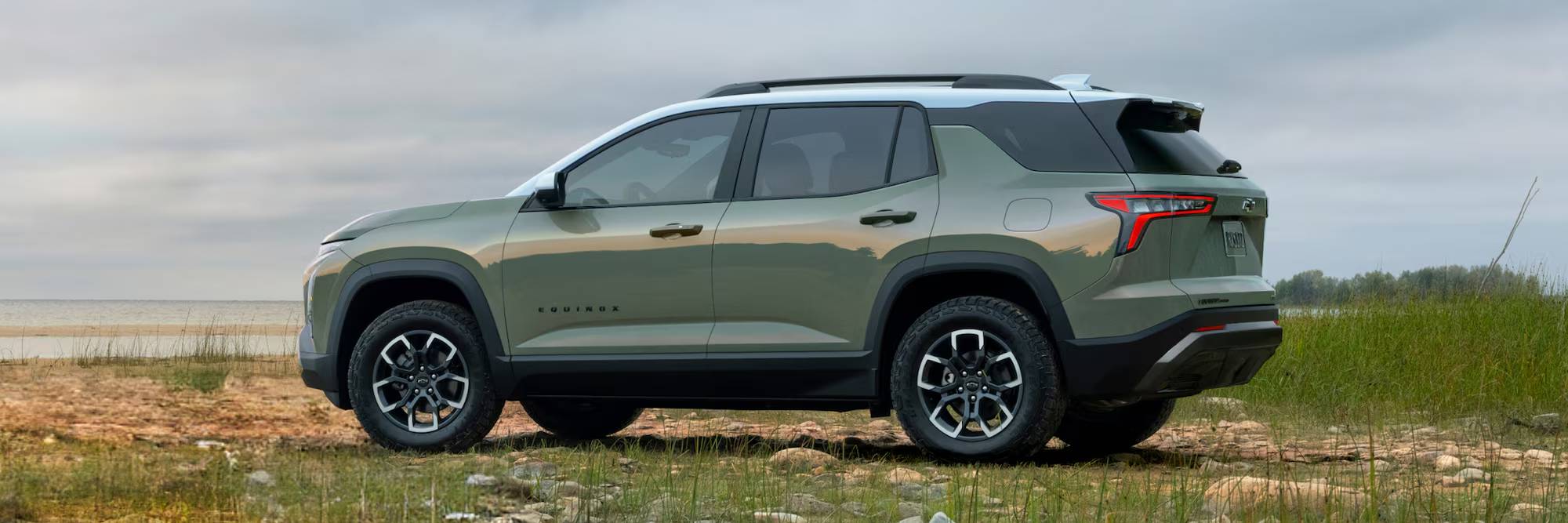
Picking a compact SUV is a big decision, and the 2026 Chevrolet Equinox and 2026 Hyundai Tucson are two of the most competitive options in the segment right now. They’re aimed at similar buyers, but they go about it quite differently. This comparison covers performance, cargo space, towing, and technology so you can figure out which one actually fits your life. If you’d like to talk it through with someone who knows the Equinox inside and out, contact our team at Titus-Will Chevrolet before you visit.
The Equinox leans on a well-rounded driving experience, strong standard technology, and a feature set that delivers value without forcing upgrades. The Tucson answers with more powertrain variety and larger cargo volume. The differences between them are sharper than you might expect.
Performance: Power, Efficiency, and Driving Confidence
Both vehicles are capable enough for daily driving, but they take different paths to get there.
2026 Equinox: Torque Where It Counts
The 2026 Chevrolet Equinox runs a 1.5-liter turbocharged engine producing 175 horsepower and 203 lb-ft of torque with AWD (184 lb-ft with FWD). Torque is what you actually feel day to day, pulling away from a stop light, getting up to highway speed, or holding steady on a wet, uphill grade in the Pacific Northwest. The suspension tuning prioritizes stability and comfort, so longer commutes feel less draining. Available AWD strengthens that capability further, giving you composed, predictable handling whether roads are dry or soaked.
2026 Tucson: More Power on Paper, Less in Practice
The Tucson’s 2.5-liter four-cylinder produces 187 horsepower but only 178 lb-ft of torque. That peak horsepower edge is real, but torque is what most drivers feel in daily stop-and-go traffic, and the Equinox holds a 25 lb-ft advantage there on AWD models. The Tucson also offers hybrid and plug-in hybrid variants for buyers prioritizing fuel efficiency, though that added variety means more research and more decisions when buying. The Equinox keeps things straightforward with a well-rounded powertrain and no unnecessary guesswork.
Cargo Capacity: Hauling What Matters Most
Cargo space matters enormously in a compact SUV, especially for family trips, outdoor activities, or weekend hauls. This is one area where the 2026 Hyundai Tucson has a genuine advantage. It offers 41.2 cubic feet behind the rear seat and 80.3 cubic feet with the rear seat folded. If you regularly move bulky or oversized items, that extra room is worth having.
The 2026 Chevrolet Equinox provides 29.8 cubic feet behind the rear seat and 63.5 cubic feet with seats down. That gap is real, and it’s worth weighing honestly. For most buyers’ actual routines, though, the Equinox’s cargo area handles groceries, weekend gear, and everyday family loads without issue. The Equinox is also noticeably easier to maneuver, which matters in tighter Tacoma parking garages and urban lots.
Towing Capacity: When You Need to Pull More
On towing, the 2026 Hyundai Tucson holds the numbers edge, rated at up to 2,750 pounds on gas models with trailer brakes. The 2026 Chevrolet Equinox is rated at up to 1,500 pounds when properly equipped with AWD. If you regularly haul a boat, a loaded cargo trailer, or larger recreational gear, that difference matters, and it’s worth confirming final configuration details before purchasing.
Most compact SUV owners tow light loads occasionally rather than routinely. For pulling a small utility trailer, a kayak rack, or weekend camping equipment, the Equinox handles the task without strain. If maximum towing capacity is a primary requirement, the Tucson earns that advantage. If you’re towing occasionally and want a more composed daily driver in all other respects, the Equinox is the stronger choice overall.
Technology: Connected, Intuitive, and Ready for the Road
Technology has become a real separator in this segment, and the 2026 Chevrolet Equinox holds a meaningful edge on usability. It comes standard with an 11.3-inch touchscreen, Google Built-In, wireless Apple CarPlay, and Android Auto. Google Built-In puts Google Maps, Google Assistant, and the Google Play Store directly into the infotainment system without requiring your phone. The interface is easy to learn from day one, voice commands are responsive, and the connected experience doesn’t require moving up a trim level to unlock it.
The Tucson offers a 12.3-inch touchscreen with comparable wireless smartphone integration and a feature-heavy, customizable interface. If you enjoy personalizing your tech setup, the Tucson gives you more to work with. If you want a system that works simply and confidently without a learning curve, the Equinox is easier to live with. For drivers who rely on navigation and hands-free controls during their daily Pacific Northwest commute, that kind of approachability is a real advantage.
If you’d like to see the Equinox’s technology in action before you decide, contact our team at Titus-Will Chevrolet to arrange a walkthrough or test drive.
Why the 2026 Chevrolet Equinox Is the Smarter Choice
Stepping back and looking at the full picture, the Tucson has genuine strengths. Its cargo volume is larger, its towing capacity is higher, and its powertrain lineup includes solid hybrid options. Those are real advantages for a specific type of buyer.
The Equinox wins on the factors that matter most to the widest range of buyers: stronger low-end torque for everyday driving on AWD models, a standard tech package that’s easy to use, composed handling in wet-weather conditions, and a feature set that doesn’t require constant upgrades to feel complete.
- If you prioritize maximum cargo volume or need to tow over 1,500 pounds regularly, the Tucson is worth a serious look.
- If your household needs a confident, well-rounded daily driver with strong standard technology and easy-to-live-with handling on Pacific Northwest roads, the Equinox is the stronger pick.
- If you want a straightforward buying experience without researching multiple powertrain configurations, the Equinox keeps things simple without sacrificing capability.
The Equinox consistently earns strong marks for ease of ownership and low maintenance demands, which carries real weight if you plan to keep your SUV for several years. Its standard feature set, composed ride, and practical footprint make it the smarter all-around choice for most Tacoma-area drivers comparing these two vehicles.
Schedule a Test Drive at Titus-Will Chevrolet
Reading about specs is useful, but nothing replaces getting behind the wheel. At Titus-Will Chevrolet, you can experience firsthand exactly what makes the 2026 Chevrolet Equinox stand out in this comparison. Serving the greater Tacoma area, including Olympia, Puyallup, Lakewood, and Joint Base Lewis-McChord, we’ve been a trusted part of the Pacific Northwest community since 1938.
Our finance team is ready to help you explore loan and leasing options that fit your budget. We also offer online purchasing with home delivery, trade-in valuation, and a certified service center staffed by experienced technicians using genuine Chevrolet parts. Stop by at 11011 Pacific Ave S, Parkland, WA 98444, or call our sales team at 253-448-8157. You can also contact our team at Titus-Will Chevrolet online to get started whenever it’s convenient. The 2026 Equinox is ready for you, and so are we.
2026 Chevrolet Equinox Vs 2026 Toyota RAV4
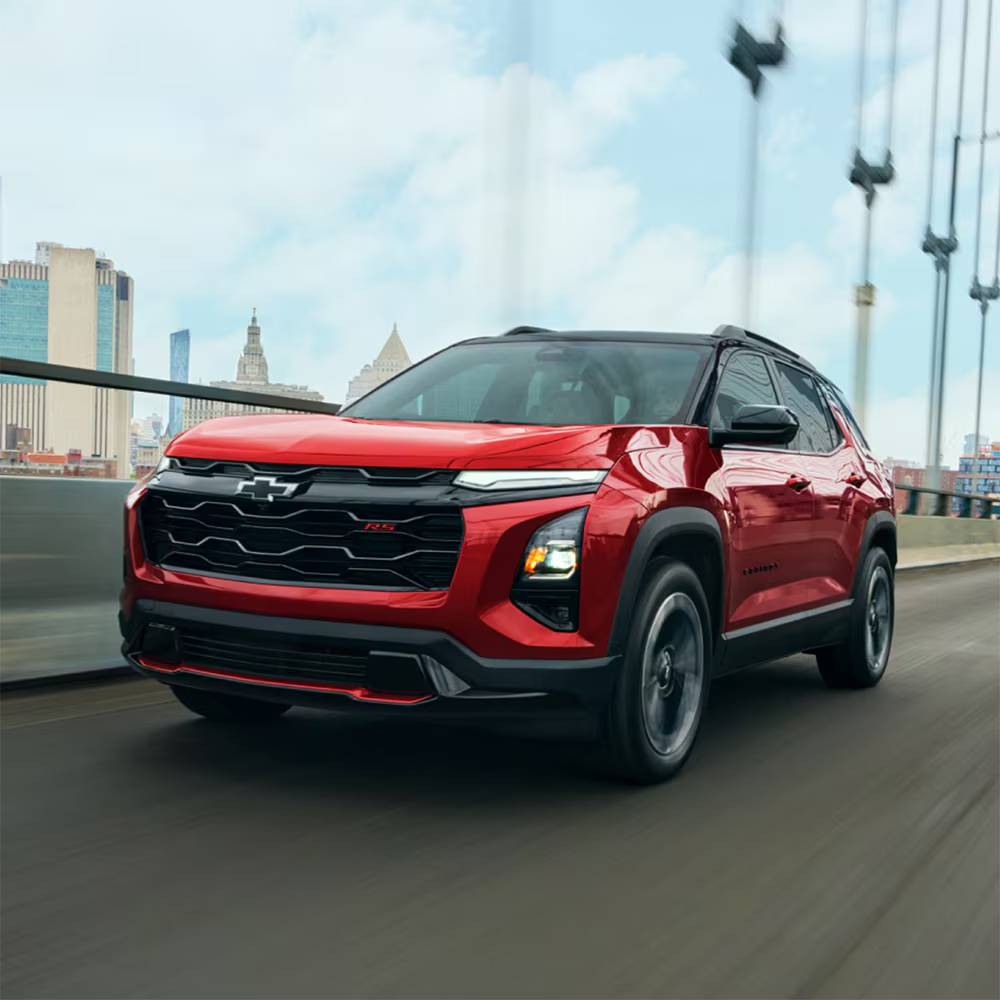
Right now, the 2026 Chevrolet Equinox and the 2026 Toyota RAV4 are two of the most talked-about compact SUVs on the market. Both are capable and well-rounded, but they’re built around different priorities. If the 2026 Equinox sounds like your kind of vehicle, take a look at our current inventory or get in touch with us to schedule a test drive at Titus-Will Chevrolet.
Why the 2026 Equinox Stands Out in a Crowded Compact SUV Market
The compact SUV market rewards vehicles that do a little of everything well, and the 2026 Equinox takes that seriously. It delivers a feature-rich experience with genuine day-to-day practicality that’s hard to overlook, whether you’re running errands around Tacoma or heading further out into the Pacific Northwest for the weekend.
The Equinox’s design strikes a confident balance between modern aesthetics and everyday usability. It doesn’t feel like a vehicle you’re settling for. Most drivers find it easy to live with from the start, and that accessibility gives the Equinox a meaningful edge for a wide range of shoppers in the Greater Tacoma area.
Performance and Powertrain: Flexibility vs. a Hybrid-Only Approach
Powertrain choice is one of the biggest differences between these two SUVs. The 2026 RAV4 has shifted to a hybrid-only sixth-generation lineup, which narrows your options considerably. The Equinox stays with a conventional turbocharged gasoline approach, and that simplicity has real value depending on how and where you drive.
Equinox Engine Performance
Chevrolet equips the 2026 Equinox with a 1.5-liter turbocharged four-cylinder engine producing 175 horsepower paired with an automatic transmission. It responds well in city traffic, holds its own during highway merges, and doesn’t feel strained on longer drives.
For daily commuters working through Tacoma’s mix of urban streets and highway stretches, that kind of responsive, adaptable performance is exactly what you want.
RAV4’s Hybrid-Only Powertrain
Toyota’s decision to go hybrid-only with the 2026 RAV4 will appeal to buyers who prioritize fuel economy above all else. The standard hybrid delivers 226 horsepower in FWD configuration and 236 horsepower in AWD. The available plug-in hybrid steps that up to 324 horsepower, which is a significant jump.
For buyers fully committed to an electrified experience, the RAV4’s powertrain is a genuine draw. It does remove the option of a traditional gasoline-only setup, though, which may not suit drivers who prefer more straightforward fueling and maintenance routines.
Cargo Capacity: Making the Most of Every Mile
When comparing practicality, cargo space matters as much as horsepower. The 2026 Equinox offers 29.8 cubic feet behind the second row and 63.5 cubic feet with the seats folded. Beyond raw volume, Chevrolet designed the Equinox with a lower load floor and a wider cargo opening, which makes loading groceries and luggage noticeably easier on a daily basis. You’re not wrestling with awkward angles or tight corners to fit your gear.
The RAV4 carries up to 37.8 cubic feet behind the rear seats, which gives it a larger raw number on paper. If total volume is your primary consideration, the RAV4 has the edge in this category. For most of our customers, though, the Equinox’s thoughtful cargo layout makes that space easier to use in practice, which is what matters most when you’re packing the vehicle after a weekend trip near Mount Rainier or loading up after a Costco run.
Towing Capacity: When You Need to Haul More
On towing, the RAV4 has a real advantage. It’s rated to tow up to 3,500 pounds on select models (excluding the baseline LE trim), making it the stronger option for buyers who regularly pull a trailer or a small boat.
The 2026 Equinox has a maximum towing capacity of 1,500 pounds, which covers light utility trailers and occasional hauls just fine. If serious, consistent towing is part of your lifestyle, the RAV4 has a clear edge here, and we’ll always be upfront about that. Knowing your actual towing needs before choosing between these two vehicles will make sure you end up with the right fit.
Technology and Infotainment: Staying Connected Behind the Wheel
The 2026 Equinox’s technology setup reflects Chevrolet’s focus on delivering genuinely accessible, user-friendly features. The 11.3-inch infotainment touchscreen is responsive and logically organized, easy to operate without pulling your attention off the road. An 11-inch digital instrument display gives drivers a clear, customizable view of vehicle information. Wireless smartphone connectivity means no fumbling with cables, and the Google-based in-vehicle technology integrates voice commands and apps in a way that feels straightforward from day one.
On the safety side, Chevrolet includes Chevy Safety Assist as a suite of standard driver-assistance features. The Equinox also offers Teen Driver, which lets parents set speed alerts and audio limits, Buckle to Drive, which requires the driver’s seatbelt to be fastened before shifting out of park, and Safety Alert Seat, which provides tactile alerts through the driver’s seat rather than a loud chime.
The RAV4 offers a 12.3-inch digital gauge cluster across all models and a 10.5-inch touchscreen as standard, with a 12.9-inch screen available on higher trims (XSE and Limited). Toyota Safety Sense 4.0 is included and covers a solid range of driver-assistance functions. The RAV4’s tech is genuinely capable, though a number of owners have noted that the infotainment interface takes more time to learn compared to Chevrolet’s more approachable layout.
The Verdict: Why the 2026 Chevrolet Equinox Is the Smarter Choice
Looking at the full picture, the 2026 Chevrolet Equinox is the more practical, well-rounded choice for most buyers in the Greater Tacoma area. It runs on a conventional turbocharged powertrain with no mandatory electrification, its cargo area is designed for real-world loading, and the technology is easy to pick up from the first drive. The safety features are thoughtful rather than just thorough.
The RAV4 is a strong vehicle. Buyers who specifically need higher towing capacity, want the higher power output of the plug-in hybrid, or are fully committed to an electrified drivetrain have genuine reasons to consider it. For most drivers, the Equinox delivers more of what actually matters day to day, without adding complexity.
Schedule a Test Drive at Titus-Will Chevrolet
Reading about a vehicle only goes so far. The best way to understand what the 2026 Equinox brings to your daily life is to get behind the wheel and experience it yourself. Titus-Will Chevrolet is located at 11011 Pacific Avenue South in Tacoma and has been serving the Greater Tacoma area since 1938, as part of Washington State’s largest volume auto group.
We serve drivers from Olympia, Puyallup, Lakewood, and Joint Base Lewis-McChord. You can visit us in person, browse inventory online, or take advantage of our home delivery and trade-in valuation services. Our finance team works with all credit profiles to find flexible loan and lease options. Call 253-448-8157 to get started, or contact our team online to schedule your test drive today.
Top Family Friendly Activities in Tacoma for Summer


Tacoma has a way of surprising people. Most families driving through the Pacific Northwest skip it entirely in favor of Seattle, but those who actually stop and look around quickly realize what they’ve been missing. A world-class waterfront, a thriving arts scene, wildlife encounters, sun-soaked beaches. This city packs a genuinely impressive range of family experiences into one navigable area. If you’re planning your summer here, here’s what’s worth knowing.
Why Tacoma Is a Perfect Summer Destination for Families
What makes Tacoma work so well for families is the variety packed into a compact, easy-to-navigate space. You can move from a nature hike to an art museum to a beach in the same afternoon. Summers here are temperate, with plenty of sunshine but none of the brutal heat that makes outdoor time miserable for young kids.
The city also takes community programming seriously. Parks host live concerts and outdoor movie nights throughout the season, and many of Tacoma’s best attractions are designed with families specifically in mind. Whether you’re looking for free things to do or mapping out a full itinerary, Tacoma handles both well.
Top Family Friendly Activities in Tacoma for Summer 2026
The attractions below represent the most memorable experiences for families across the Greater Tacoma area, from hands-on museums to sweeping outdoor spaces.
Point Defiance Zoo & Aquarium
The Point Defiance Zoo & Aquarium is a 29-acre facility combining zoo and aquarium experiences in one destination. Animals include sea lions, Red Wolves, muskox, penguins, stingrays, and gibbons, and interactive touch pools let kids engage directly with marine life. Educational programs and feeding sessions make the learning feel embedded in the visit rather than tacked on. Paid admission applies.
Insider tip: Arrive early on weekend mornings. Crowds build significantly by midday, and the animals tend to be most active during the cooler morning hours.
Children’s Museum of Tacoma
The Children’s Museum of Tacoma runs on a donation-based admission model, which removes the financial barrier that keeps some families away from cultural institutions. Designed for ages birth through 12, the exhibits lean nature-inspired and hands-on: art-making, exploratory zones, imaginative play. Summer brings additional storytelling sessions and rotating art activities throughout the season.
Museum of Glass and the Chihuly Bridge of Glass
The Museum of Glass is worth a visit even with its traditional gallery spaces temporarily closed for a capital renovation through early fall 2026. The Hot Shop is still open, where artists shape molten glass in live demonstrations that genuinely captivate most kids. The Education Studio, Store, and Café are all accessible during the renovation as well.
The Chihuly Bridge of Glass is free and publicly accessible around the clock. Walking across it, surrounded by intricate suspended sculptures, blends art and architecture in a way that feels approachable for any age.
Insider tip: Hot Shop demonstrations run on a set schedule, so check the museum’s website before you go and time your visit around a live glassblowing session.
LeMay — America’s Car Museum
LeMay — America’s Car Museum frames automotive and transportation history as a lens into American culture, with racing simulators and interactive exhibits that keep kids actively engaged rather than just staring at objects behind glass. It’s an unexpectedly rich stop for families with any curiosity about how vehicles shaped everyday life. Paid admission applies.
The museum also hosts LeMay Motors & Movies, a free outdoor film series open to all ages. Gates open at 6:30 p.m., screenings begin at sunset, no RSVP is required, and on-site food vendors are available. It’s a low-key summer evening that requires nothing more than showing up.
Insider tip: LeMay Motors & Movies is first come, first served. Arriving close to the 6:30 p.m. gate opening gives you the best spot selection without a long wait.
Point Defiance Park
At 760 acres, Point Defiance Park ranks among the largest urban parks in the country. Trails wind through old-growth forest, formal gardens offer quieter spaces for strolling, and shaded picnic areas are scattered throughout. The park works as a full-day destination on its own, with options at every energy level: structured hikes, open lawn play, or simply following wherever the kids lead.
The park, the zoo, and Owen Beach are all adjacent to each other, so combining two or even all three in a single outing is genuinely practical and worth planning for.
Owen Beach
Owen Beach sits within Point Defiance Park and offers a different pace from the more active options on this list. Kayak rentals are available through the summer, tide pools give curious kids an unplanned science lesson, and on clear days the views of Mount Rainier are hard to beat. It’s a low-key afternoon that still feels full of discovery.
Insider tip: The beach fills up quickly on warm weekends. Weekday visits or early morning arrivals give you noticeably more space and a calmer experience overall.
Point Ruston Waterfront
Point Ruston brings a livelier atmosphere with a pedestrian-friendly waterfront promenade, multiple dining options overlooking Puget Sound, and seasonal events throughout the summer. It’s an easy place to spend a few hours without a fixed plan. Walk the waterfront, grab a meal, and see what’s happening that weekend.
Outdoor Events and Seasonal Programs to Watch This Summer
Tacoma’s summer events calendar adds real value to any family itinerary, with several free and low-cost options worth anchoring your weekends around.
The Tacoma Summer Blast on July 4th spans Dune Peninsula and Cummings Park on Ruston Way from noon to approximately 10 p.m. The event features over 150 vendors, two stages of live entertainment, and a 20-minute fireworks display to close out the evening.
The Tacoma Concert Band Outdoor Series runs in August with free performances at Wright Park (Aug. 5), Point Defiance Park (Aug. 6), Star Center (Aug. 7), and Wapato Park (Aug. 8). Most shows start at 6:30 p.m. Bring blankets and lawn chairs; food is available for purchase at each venue.
LeMay Motors & Movies (detailed above in the museum section) rounds out the free outdoor options. All three are worth adding to your calendar early.
Tips for Making the Most of Your Tacoma Family Summer
Check event calendars before each weekend, especially for the zoo and Museum of Glass, which fill up fast on peak summer days. Booking in advance where possible keeps the day running smoothly.
Pack with Pacific Northwest variability in mind: layers for cool mornings near the water, sunscreen for stretches of unexpected sunshine, and a light rain layer for unpredictable afternoons. Comfortable shoes matter for both waterfront walks and park trails.
Take advantage of the free and low-cost options, like the Chihuly Bridge of Glass, the Point Ruston waterfront, and the outdoor concerts, to round out an itinerary without stretching the budget. Mixing a couple of marquee attractions with these no-cost experiences tends to produce a more balanced summer than back-to-back ticketed visits.
Keep the Adventures Going with Help from Titus-Will Chevrolet
Getting your family to Point Defiance Park, Owen Beach, LeMay, and summer events across the area is a lot easier when your vehicle is running reliably. Before the road trips stack up, it’s worth making sure your car is ready for the season.
Titus-Will Chevrolet makes it straightforward. You can schedule a service appointment online to get your vehicle checked before summer kicks into full gear. Don’t let a maintenance issue cut a great day short.
2027 Corvette Grand Sport Trim Levels
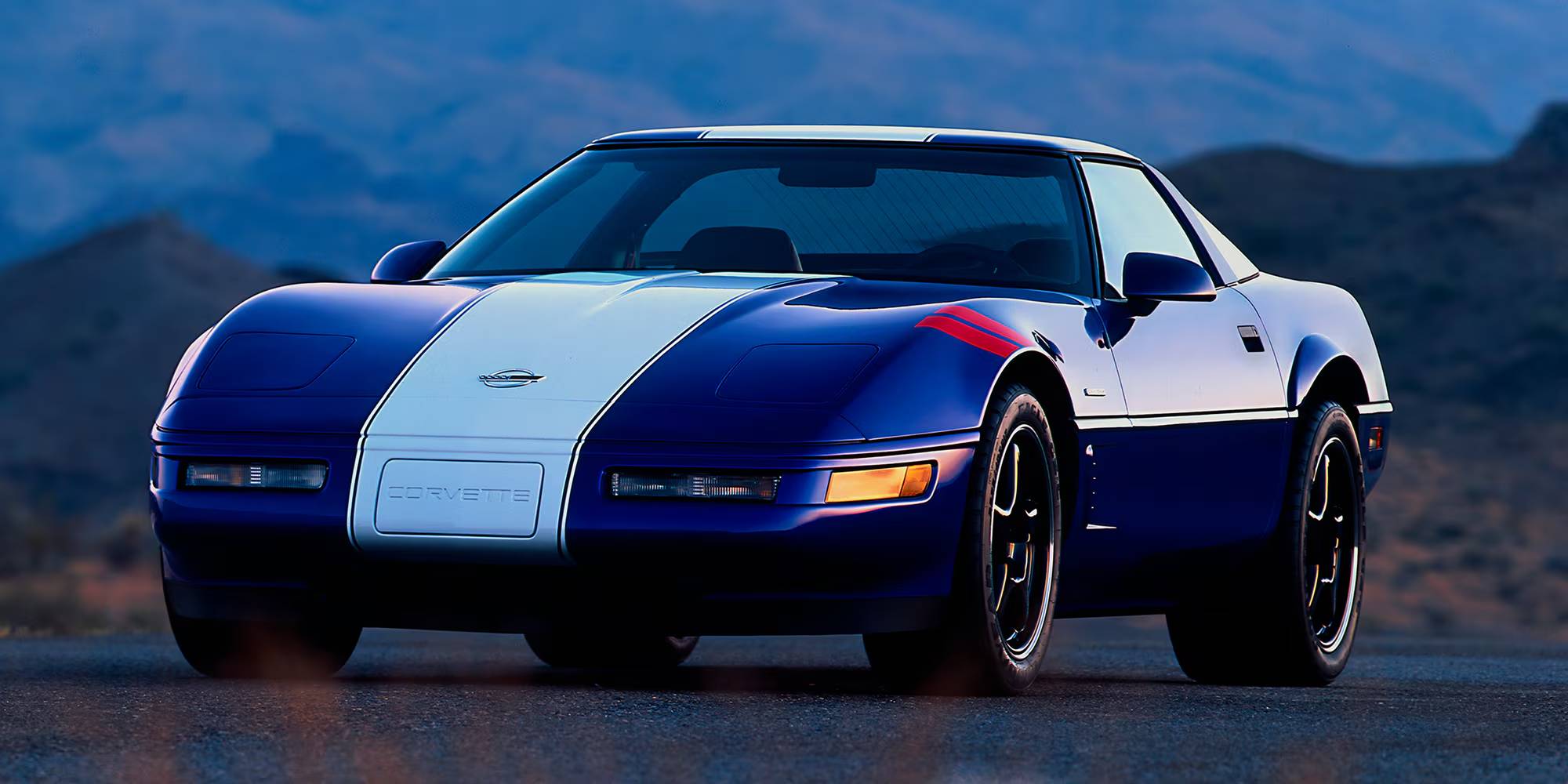
2027 Corvette Grand Sport Trim Levels
The Corvette Grand Sport has always held a special place in American automotive history, sitting right at that sweet spot between track-ready aggression and everyday usability. For 2027, Chevrolet pushes that formula even further, delivering a wide-body C8 that feels just as alive on a canyon road as it does pulling into a parking lot.
Whether you’re a lifelong Corvette enthusiast or someone stepping into the Grand Sport badge for the first time, this trim lineup has something genuinely worth getting excited about. If you’re already curious, you can browse our new Chevrolet inventory to see what’s available for Tacoma-area drivers right now.
The 2027 Corvette Grand Sport: Wide-Body Thrills for Every Driver
The 2027 Corvette Grand Sport earns its keep through a combination of serious engineering and unmistakable visual presence. That Z06-style wide body isn’t just cosmetic. It actively improves aerodynamic stability and cornering confidence, giving the car a planted, purposeful feel that inspires real trust at speed.
Under every Grand Sport sits a 6.7-liter LS6 naturally aspirated V8 producing 535 horsepower and 520 lb-ft of torque, paired with an 8-speed dual-clutch transmission and Magnetic Ride Control as standard equipment across the entire lineup. The rear wheels measure 21 inches, filling those wide fenders with exactly the stance the body demands.
What makes this generation especially compelling is how deeply personal it can become. Chevrolet has expanded customization options throughout the lineup, letting buyers build a Grand Sport that reflects their individual style without drifting outside the performance DNA the brand has spent decades cultivating. From the entry-level 1LT to the hybrid-powered Grand Sport X, the 2027 Corvette Grand Sport trim levels cover an impressive range of preferences and priorities.
The orders for the Grand Sport opened April 16, 2026, so the window to get into one is already here.
2027 Corvette Grand Sport 1LT: The Purest Way to Experience the Legend
If you believe more technology doesn’t always mean more fun, the 1LT makes a compelling case for restraint. This base trim focuses on what matters most: a driver-centered cockpit, the LS6 singing through its rev range, and a chassis tuned to reward commitment. Magnetic Ride Control reads the road surface continuously and adjusts damping in milliseconds, keeping the car composed over imperfect pavement without ever going soft when the road opens up. There’s a refreshing honesty to the 1LT experience that long-time enthusiasts genuinely appreciate.
The full 535 horsepower and 520 lb-ft of torque arrive through an 8-speed dual-clutch that snaps through ratios with mechanical precision, keeping the LS6 exactly where it wants to be in the rev range. This is rear-wheel drive at its most communicative. For the driver who wants every input and every correction to feel deliberate and connected, the 1LT is the right place to start.
2027 Corvette Grand Sport 2LT: Elevated Comfort Without Sacrificing the Rush
The 2LT takes the Grand Sport formula and layers in a thoughtful set of upgrades for drivers who actually put real miles on their cars. Enhanced seating, advanced driver assistance technology, and upgraded interior appointments round out a package that transforms the Grand Sport from a weekend weapon into something genuinely livable. The powertrain is identical to the 1LT, which means the same 535 horsepower, the same dual-clutch precision, and the same Magnetic Ride Control confidence are all present and accounted for.
Think of it as the right choice for someone who wants to feel the thrust of the LS6 on a spirited morning drive, then settle comfortably into a long highway stretch that same afternoon. The balance of performance and refinement here is well-judged. This is the buyer who drives to the track on Saturday and to dinner that night, and doesn’t want to apologize for either.
2027 Corvette Grand Sport 3LT: Maximum Luxury Meets Maximum Performance
At the top of the naturally aspirated Grand Sport range, the 3LT blurs the line between sports car and grand tourer in the best possible way. Premium Napa leather, GT2 performance seats, a high-end sound system, and deep customization options for interior color and trim combine to create a cabin that’s genuinely worthy of the machine surrounding it. The horsepower and torque figures remain identical to the 1LT and 2LT, and that’s exactly the point: peak performance, dressed in its finest clothes.
The 3LT is built for discerning drivers who refuse to choose between lap times and long-haul comfort. Buyers at this level tend to be experienced enthusiasts who know precisely what they want. The Napa leather wraps everything it touches, the GT2 seats hold you firmly through corners while staying genuinely comfortable over distance, and the level of interior customization available means no two 3LT builds need look alike.
If you want to schedule a test drive and experience the difference between trim levels firsthand, our team is ready to make that happen.
2027 Corvette Grand Sport X: The AWD Hybrid That Rewrites the Rules
The Grand Sport X is genuinely new territory for the Corvette lineage. By pairing the LS6 V8 with a front-mounted electric motor and a hybrid all-wheel-drive system, Chevrolet has created something that doesn’t fit neatly into any previous Corvette category. The electric motor doesn’t dilute the combustion engine’s character. It amplifies everything. Combined output rises to 721 horsepower, and the AWD system puts all of it to the ground with a directness that rear-wheel-drive cars simply can’t match at launch. The result is an estimated 0-to-60 time of 2.6 seconds.
That number deserves a moment. At 2.6 seconds, the Grand Sport X crosses into territory where the experience becomes almost abstract. The acceleration doesn’t build the way combustion power alone does. The front electric motor contributes torque instantly, before the LS6 has even fully awakened, and the two systems combine into a single, seamless surge that pins you to the seat with startling commitment. Grand Sport X orders open in summer 2026 for US buyers.
What Sets the Grand Sport X Apart
The Grand Sport X separates itself from the rest of the lineup through its technical ambition. The AWD hybrid architecture provides a level of all-weather traction and dynamic stability that makes the car genuinely usable across the varied conditions that drivers throughout the Pacific Northwest know intimately.
Wet pavement, variable temperatures, long spirited drives over mixed surfaces: all become more manageable without any reduction in the raw performance character the Corvette name demands. The wide-body chassis and Magnetic Ride Control carry over from the standard Grand Sport, so the foundation is exactly as capable. The Grand Sport X just expands where and how confidently you can use it.
Who Should Order the Grand Sport X
This is the right choice for drivers who want high-performance capability paired with real-world versatility. If you appreciate the Corvette legacy but also want a car that handles a rainy Tuesday commute with the same confidence as a dry Saturday track day, the Grand Sport X answers both calls.
It speaks directly to buyers who want AWD security without surrendering any of the driving engagement the Grand Sport delivers as standard. For enthusiasts curious about what a modern hybrid powertrain can genuinely add to a sports car, the Grand Sport X makes a concrete and compelling argument.
Get Behind the Wheel: Contact Titus-Will Chevrolet About the 2027 Corvette Grand Sport
Understanding the 2027 Corvette Grand Sport trim levels on paper is one thing. Sitting inside one and feeling that LS6 come alive is something else entirely. We’ve been serving drivers across Tacoma and the surrounding communities since 1938, and that depth of experience translates directly into the quality of guidance you get when shopping for a vehicle this significant.
Our team can walk you through every Grand Sport configuration, from the focused 1LT to the hybrid-powered Grand Sport X, and help you match the right trim to your actual driving life. View our current Corvette inventory to see what’s available, or schedule a test drive to experience the car for yourself.Ready to take the next step? Contact us and we’ll get you started. Your next Corvette chapter is closer than you think.
2027 Chevrolet Bolt Vs 2027 Toyota Highlander


Shopping for an electric vehicle boils down to figuring out what matters most to you. The 2027 Chevrolet Bolt and 2027 Toyota Highlander represent two completely different philosophies in the EV world, each targeting distinct driving needs. The Bolt nails efficient daily commuting without breaking the bank. The Highlander EV brings three-row family space to Toyota’s electric lineup for the first time.
Want to feel the difference yourself? Schedule a test drive at Titus-Will Chevrolet to see which one actually fits your life.
Two Different Approaches to Electric Driving
The 2027 Chevrolet Bolt vs 2027 Toyota Highlander comparison reveals how manufacturers are tackling wildly different consumer needs as the EV market grows up. The Bolt stays laser-focused on efficiency and accessible pricing. Its compact design works beautifully in urban environments and appeals to budget-conscious buyers who want solid electric performance without the premium price tag.
Toyota’s Highlander EV takes a completely different route as their first fully electric three-row SUV. It’s going after families who need serious passenger and cargo space but don’t want to give up electric efficiency. This vehicle fills a gap that’s been sitting empty in the market.
These contrasting approaches show how much the EV landscape has evolved. You’re no longer stuck compromising on what you actually need. The Bolt works perfectly for singles, couples, and small families who value efficiency above all else. The Highlander handles larger families who can’t make do with anything smaller.
2027 Chevrolet Bolt: Proven Performance and Accessible Pricing
The Chevrolet Bolt has built a solid reputation as the practical electric vehicle that doesn’t demand premium pricing. This pricing strategy positions it as the smart choice for reliable electric transportation you can get right now.
Range, Charging, and Efficiency
The Bolt delivers an EPA-rated range of 262 miles, which handles daily driving and longer trips with confidence. Its efficient powertrain squeezes every mile out of the battery pack, giving you more distance per charge than most competitors in this price bracket.
Charging fits smoothly into regular routines. DC fast charging hits 10-80% in about 26 minutes at 150 kW peak, adding meaningful range during quick stops. Overnight home charging means you wake up ready to go every day. The regenerative braking system captures energy as you slow down, adding miles back throughout your drive. LFP battery technology brings proven durability and steady performance.
LT and RS Trim Highlights
The LT trim covers the essentials at its reasonable price point, making it a great entry point for budget-minded buyers. Standard tech includes modern infotainment with Google built-in, and comprehensive safety features.
The RS trim steps things up with sportier styling and additional features. Both trims come with current driver assistance tech like available Super Cruise hands-free driving assistance. The interior focuses on comfort and practicality, with cargo space reaching 56.3 cubic feet when you fold the seats down.
You can explore our new Bolt Chevrolet inventory to check out available Bolt models and current features.
2027 Toyota Highlander EV: Toyota’s First Three-Row Electric SUV
The Toyota Highlander EV represents a big moment in Toyota’s electrification journey. This vehicle brings the trusted Highlander name into the fully electric world while keeping the space families actually need. Sales should start in late 2026, though some specs are still getting finalized.
What We Know So Far
The Highlander EV comes with two battery choices: 77-kWh or 95.8-kWh configurations. Range spans from 270 miles (XLE AWD with 77-kWh) to 287 miles (XLE FWD with 77-kWh), while the bigger battery targets up to 320 miles. DC fast charging reaches 10-80% in roughly 30 minutes at up to 150 kW peak.
Powertrain options include XLE FWD putting out 221 hp and 198 lb-ft of torque, while XLE AWD bumps that up to 338 hp and 323 lb-ft. The seven-seat setup offers flexible arrangements with second-row captain’s chairs or bench seating. Cargo space measures 15.9 cubic feet behind the third row, growing to 45.6 cubic feet with the third row folded.
XLE and Limited Trim Expectations
The Highlander EV launches with XLE and Limited trims. XLE comes in FWD or AWD setups, with FWD models pairing a 77-kWh battery and AWD models offering a choice of 77-kWh or 95.8-kWh battery, striking a balance between comfort and value. The Limited trim includes AWD and the 95.8-kWh battery as standard equipment, adding premium touches like enhanced materials and upgraded tech.
Both versions get a 14-inch touchscreen while keeping physical climate controls. Toyota’s newest driver assistance tech ensures comprehensive safety across the entire lineup.
How Range and Charging Compare
The Bolt’s 262-mile EPA rating paired with its smaller battery charges pretty quickly at 26 minutes (10-80%), keeping your time at charging stations short. This efficiency means lower charging costs for everyday use.
The Highlander offers competitive range when you consider its three-row capacity, with the largest battery aiming for 320 miles. Its bigger capacity naturally needs about 30 minutes for 10-80% charging at peak rates.
Both vehicles handle home Level 2 charging, which eliminates most public charging needs for typical daily driving. Public stations mainly serve longer trips, and the growing infrastructure across the Pacific Northwest makes both vehicles increasingly practical for different driving patterns.
Which Electric Vehicle Fits Your Life?
Choosing between these vehicles comes down to matching your actual needs with what each one does best. The Bolt shines for urban and suburban drivers who prioritize efficiency, lower costs, and easy parking. Its compact size navigates Tacoma streets without stress while providing enough space for small families or couples.
The Highlander works for families who genuinely need three-row capacity and substantial cargo space. If you’re regularly hauling multiple passengers or taking family road trips, the Highlander’s roominess becomes absolutely essential. The electric powertrain delivers EV efficiency while maintaining the practical versatility you need.
Budget plays a real role here. The Bolt’s lower starting price makes electric ownership much more accessible. The Highlander requires a bigger financial commitment but gives you significantly more space. Think honestly about your actual space needs. Paying for capacity you barely use doesn’t make financial sense, but having too little space creates daily headaches.
Experience the 2027 Chevrolet Bolt at Titus-Will Chevrolet
We give you the chance to experience the 2027 Chevrolet Bolt firsthand at our Parkland location. Our team knows electric vehicles inside and out, and we can answer questions about charging, range, and ownership costs specific to Pacific Northwest driving conditions.
The Bolt is available right now with proven real-world performance, while Highlander specs are still partially pending with late-2026 sales expected. This timing difference means you can make an informed decision with a test drive today instead of waiting around.
Since 1938, we’ve served Pacific Northwest drivers with straightforward service and customer satisfaction. Our certified service center uses genuine Chevrolet parts and has technicians trained specifically on electric vehicle maintenance. Contact our team with questions, or visit us at 11011 Pacific Ave S in Parkland. Call 253-448-8157 to schedule your test drive and discover how electric driving actually works for your lifestyle.
2027 Chevrolet Bolt Trim Levels
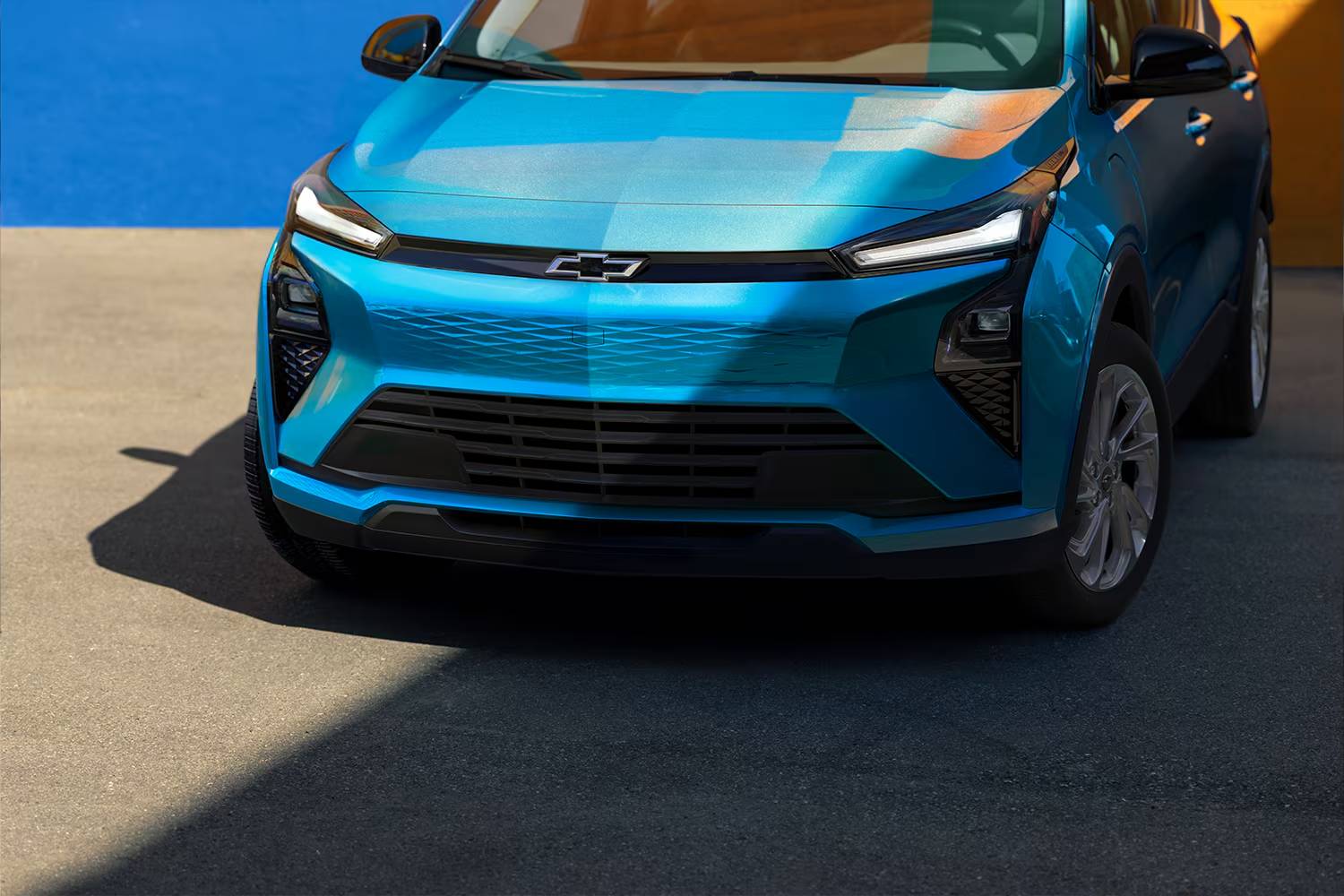
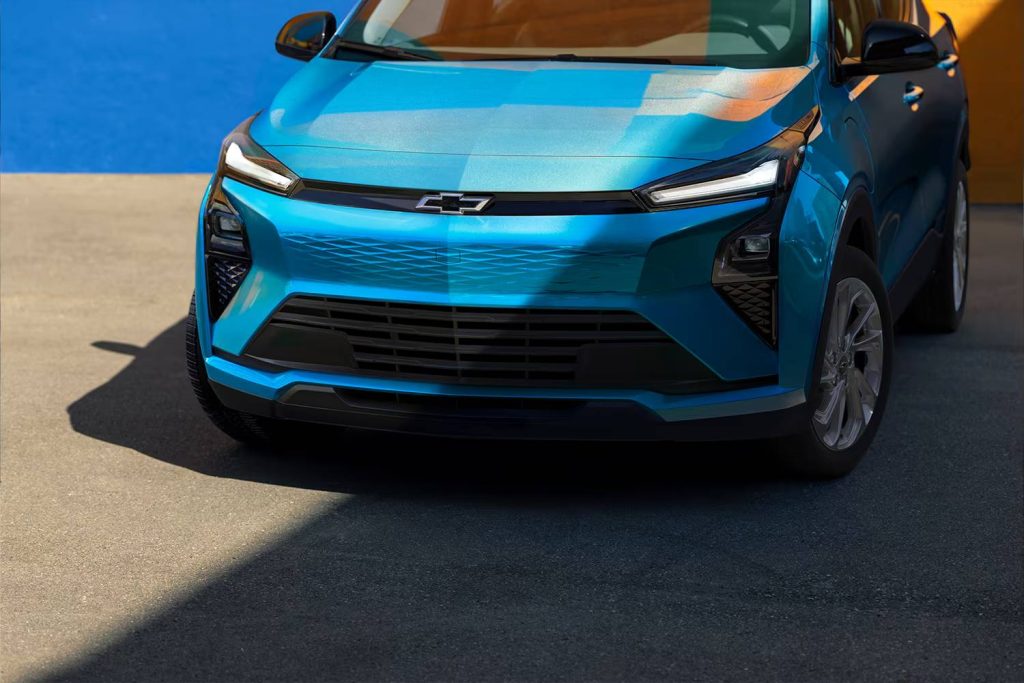
The Chevrolet Bolt is making a comeback, and it’s shaking up the affordable electric vehicle scene in all the right ways. After stepping back for a bit, the 2027 Chevrolet Bolt returns with two trim levels that hit different sweet spots while keeping that value proposition everyone loved about the original.
Whether you’re drawn to straightforward practicality or athletic flair, we invite you to schedule a test drive and feel the difference yourself.
What’s New with the 2027 Chevrolet Bolt
Chevrolet didn’t just dust off the old Bolt and call it good. The 2027 model tackles what actually matters to EV buyers. Styling feels fresh now, but the real improvements run deeper than surface changes.
Battery tech delivers a GM-estimated 255 miles of range, putting the new Bolt exactly where it needs to be among affordable electric cars. Charging times drop significantly: you can go from 10% to 80% charge in 26 minutes with DC Fast Charging at 150 kW or higher. The 2027 Bolt comes with a native NACS charging port. Tesla’s Supercharger network becomes part of your charging options, which addresses one of the biggest headaches about going electric.
The interior overhaul deserves attention. An 11.3-inch center touchscreen pairs with an 11-inch driver information center that puts key data right where you need it. Google built-in handles voice commands, navigation, and apps without the usual learning curve. The cabin uses better materials throughout and includes more than 20 standard safety and driver assistance features. These aren’t minor tweaks; they transform how the Bolt feels as a daily driver. You can browse our new Chevrolet inventory to see available configurations.
2027 Chevrolet Bolt LT: The Value-Focused Entry Point
Standard Features and Technology
The Bolt LT proves you don’t need to compromise on essentials to hit an attractive price point. Automatic emergency braking and lane-keeping assist come standard, not as expensive add-ons. That’s the kind of practical thinking that makes the LT compelling for budget-conscious buyers.
The same 11.3-inch touchscreen and Google integration you’ll find across the Bolt lineup lives in the LT. Google built-in handles navigation, voice commands, and apps without the usual learning curve. Cargo space impresses; this hatchback handles grocery runs, sports gear, or weekend trip luggage without breaking a sweat.
Comfort features feel complete rather than stripped down. Cloth upholstery provides genuine support for longer drives. Automatic climate control maintains your preferred temperature, and keyless entry simplifies daily routines. LED headlights and taillights deliver better visibility while using less energy. The six-way manual driver seat and open console design with passenger dash storage add practical touches. These features create a package that feels thoughtfully equipped rather than basic. Super Cruise is available as an option if you want hands-free highway driving capability.
Why the LT Makes Sense for Budget-Conscious Buyers
The Chevrolet Bolt LT opens electric vehicle ownership to buyers who might have written off EVs as too expensive. That pricing brings clean transportation within reach without requiring major financial gymnastics. First-time EV buyers often find the LT perfect for testing electric waters.
The 255-mile range handles typical American driving patterns with room to spare. Most people drive fewer than 40 miles per day, so you can go several days between charges with normal use. Operating costs stay low; electricity typically costs less than gasoline per mile, and electric vehicles need less maintenance than gas engines. No oil changes, transmission services, or spark plug replacements translate to real savings over time.
Federal tax credits and state rebates can knock the effective price down further. You can explore financing options that fit your budget. The LT hits that sweet spot for buyers who prioritize substance over flash, delivering reliable transportation, modern technology, and electric vehicle benefits at a price that makes sense.
2027 Chevrolet Bolt RS: The Sportier Choice
Exclusive RS Features and Design Elements
The Bolt RS builds on the LT foundation but adds personality and visual punch. A unique RS grille with badging immediately sets it apart from the standard model. High-gloss black wheels and Gloss Black roof rails create a more aggressive stance that gets noticed.
Inside, black Evotex seating with red contrast stitching adds visual interest and upscale feel. Multi-color ambient lighting lets you set the cabin mood to match your driving experience. Higher-quality trim pieces and finishes elevate the overall atmosphere beyond what you’ll find in the LT. Unique badging identifies your trim choice throughout.
The RS maintains identical technological capabilities to the LT, including that large touchscreen and Google integration, plus the option to add Super Cruise. But it wraps everything in a more premium package that creates a cohesive sporty aesthetic. Available heated and ventilated front seats plus a heated steering wheel enhance comfort during Tacoma’s varied weather conditions. The exclusive Atomic Yellow exterior color with red interior stitching offers particularly bold styling for those wanting maximum visual impact.
Why the RS Appeals to Performance and Style Seekers
The Chevrolet Bolt RS targets buyers who see their vehicle as an extension of personal style. Younger professionals, enthusiasts, and anyone wanting their EV to stand out from the growing crowd will appreciate what the RS delivers. You get visual impact without paying luxury electric vehicle prices.
Performance stays identical between trims; both share the same 210-horsepower front-wheel-drive motor and driving dynamics. The RS packaging transforms how you feel behind the wheel. Sportier aesthetics create a more engaging environment that makes routine trips feel special. This psychological element shouldn’t be underestimated; when you genuinely enjoy your vehicle, ownership becomes more satisfying daily.
The RS serves buyers planning to keep their vehicle for years who want something that won’t feel dated quickly. The distinctive styling and upgraded materials have staying power that maintains enthusiasm long after new-car excitement fades.
Choosing Between the 2027 Bolt LT and RS
Your decision comes down to priorities and budget flexibility. The LT makes perfect sense when you’re focused on value, practicality, and getting into an electric vehicle at the lowest possible cost. You sacrifice nothing in range, technology, or safety by choosing the LT; you simply skip the styling upgrades and premium interior materials.
Go with the LT if you’re primarily interested in reducing transportation costs, minimizing environmental impact, or staying within a strict budget. This trim excels for practical buyers who view vehicles as tools rather than lifestyle statements.
The RS becomes the better choice when appearance and ambiance genuinely matter to you. If you’ll appreciate the upgraded interior every time you drive, and the sportier styling aligns with how you want to be perceived, the additional cost delivers real value. The RS also makes sense for buyers who keep vehicles for extended periods and want something they’ll still feel excited about years later.
Both trims share core strengths that make the 2027 Chevrolet Bolt trim levels compelling: solid range, fast charging, comprehensive technology, and accessible pricing. Neither represents a wrong choice; they cater to different buyer perspectives. Test driving both provides the clearest path to understanding which package resonates with your needs.
Schedule a Test Drive at Titus-Will Chevrolet
Reading about trim levels only tells part of the story. The real decision becomes clear once you’re experiencing how the Bolt accelerates, handles, and fits your daily driving patterns. We invite you to schedule a test drive at our location at 11011 Pacific Avenue South, Tacoma, WA, where our team can walk you through both the LT and RS trims.
We’ve been serving the greater Tacoma area since 1938, bringing over 85 years of automotive expertise to your electric vehicle purchase. As part of Washington State’s largest volume auto group, we understand the local market and can help you navigate available incentives, financing options, and charging infrastructure throughout the Pacific Northwest. Our facility includes a certified service center with technicians trained specifically on Chevrolet electric vehicles.
Excitement continues building as Bolt deliveries approach in early 2026, and inventory moves quickly for popular configurations. Reaching out now ensures you can experience both trims and secure your preferred model before demand increases. Call us at 253-448-8157 or contact our team online to schedule your test drive. Whether you choose the value-focused LT or sportier RS, we’re here to make your transition to electric driving smooth and satisfying.
2026 Chevy Traverse vs 2026 Toyota Grand Highlander
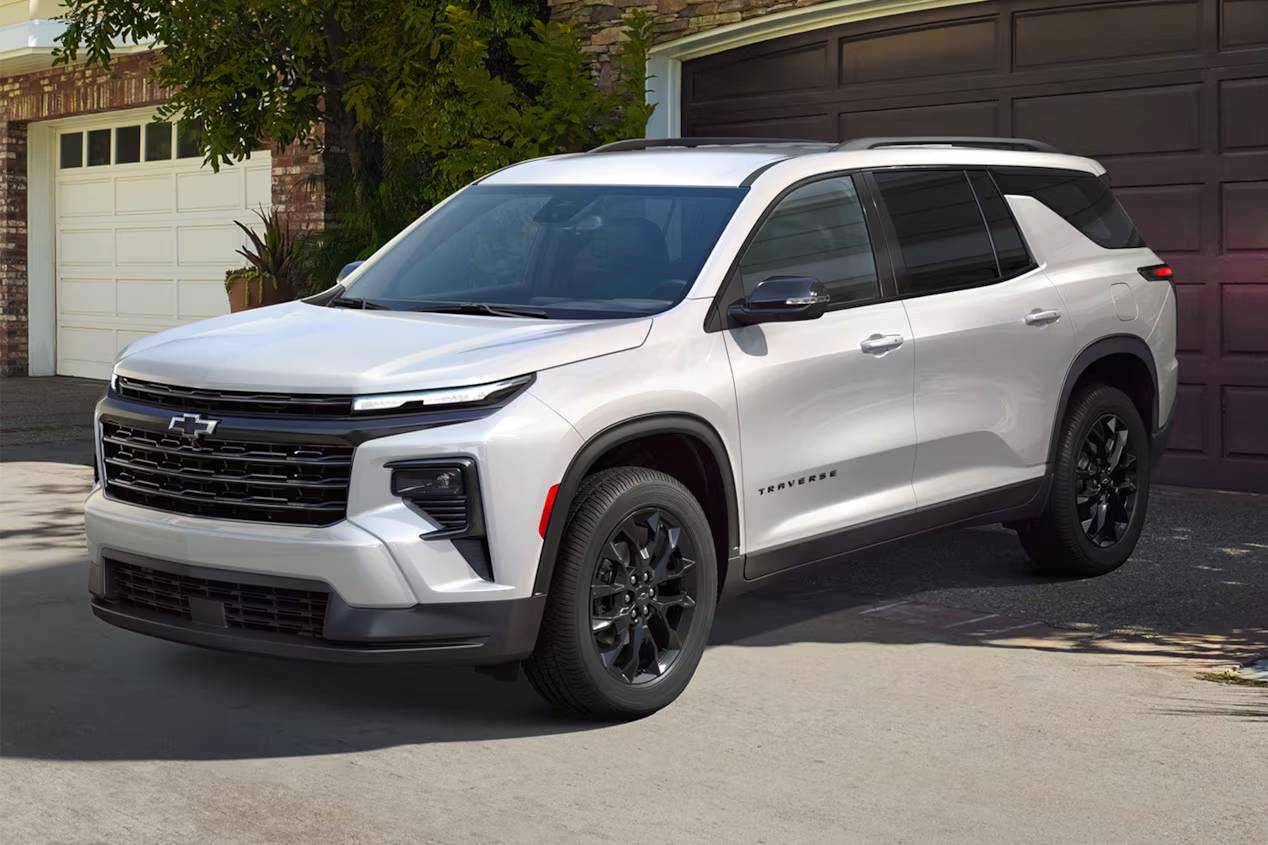
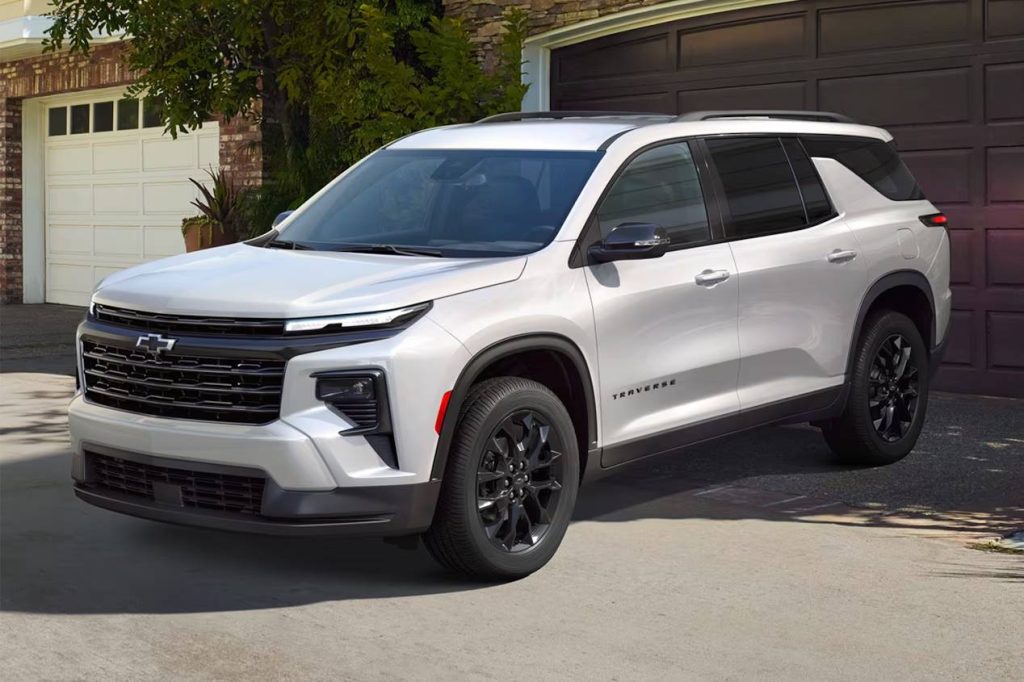
Choosing the right three-row SUV for your family isn’t just about specs on paper. It’s about what actually works when you’re hauling kids to practice, loading groceries, or heading out for a weekend getaway. The 2026 Chevy Traverse and 2026 Toyota Grand Highlander both promise to handle family life, but they take different approaches to get there.
The Traverse puts practicality first with cargo space that actually fits your stuff and tech that doesn’t make you want to throw your phone out the window. Meanwhile, the Grand Highlander focuses heavily on hybrid efficiency and gives you several powertrain choices to consider. If you need real usable space, technology that just works, and solid performance without getting lost in engine options, the Traverse builds a compelling case. We invite you to explore our Traverse inventory at Titus-Will Chevrolet to see these advantages yourself.
2026 Chevy Traverse vs 2026 Toyota Grand Highlander: Key Differences
These two SUVs have pretty different priorities. The Traverse delivers best-in-class cargo space at 97.6 cu. ft. and includes a massive 17.7-inch touchscreen as standard equipment. It’s all about daily usability. Toyota’s Grand Highlander offers multiple powertrain choices, including hybrid options that appeal to efficiency-minded buyers, but pairs them with a smaller 12.3-inch touchscreen. While Toyota spreads its focus across different engines (a 2.4L turbo at 265 hp, a Hybrid at 245 hp, and a Hybrid MAX at 362 hp), Chevrolet zeroes in on what families actually need: a single powerful 2.5L turbo engine making 328 hp and 326 lb-ft of torque, space that works, and technology they’ll use every day. Both SUVs seat up to eight, tow up to 5,000 lbs, and offer available AWD, though the Traverse stands out with available 22-inch wheels compared to the Grand Highlander’s 20-inch options.
Performance and Powertrain Comparison
The powertrain story is really about simplicity versus options. The Traverse keeps things straightforward with one turbocharged engine producing 328 hp and 326 lb-ft of torque. That’s 63 more horsepower and 16 more lb-ft than the Grand Highlander’s base 2.4L turbo (265 hp, 310 lb-ft). The Traverse’s 8-speed automatic feels responsive and smooth. The Grand Highlander gives you multiple choices, including a 245-hp Hybrid for better fuel economy and a 362-hp Hybrid MAX for maximum output, though the base models produce noticeably less power. On fuel economy, the Grand Highlander’s gas engine edges ahead slightly at 21/28 MPG (FWD) compared to the Traverse’s 20/26 MPG.
Both handle 5,000 lbs of towing, so your boat or trailer weekend plans are covered. The Traverse’s single, proven engine appeals to families who want reliable performance without decision fatigue. Mountain passes around Tacoma and daily commutes both feel confident and smooth.
For families who need genuine off-road capability in Pacific Northwest conditions, the Traverse Z71 adds Advanced Twin-Clutch AWD, Hill Descent Control, skid plates, and all-terrain tires. These features give you capabilities the Grand Highlander simply can’t match.
Interior Space and Passenger Comfort
Seating Capacity and Legroom
Both SUVs seat eight people, but the Traverse provides noticeably more room where adults actually sit. Front passengers get 44.29 inches of legroom, which is 2.59 inches more than the Grand Highlander’s 41.7 inches. Second-row passengers enjoy 41.46 inches, an extra 1.96 inches over Toyota’s 39.5 inches to stretch out.
Third-Row Access
Getting to that third row shouldn’t require gymnastics. The Traverse’s Smart Slide seats make third-row access genuinely easy, especially for kids and older family members. This design eliminates the awkward climbing and squeezing that plagues too many three-row SUVs. The Grand Highlander feels more refined in certain material choices, but the Traverse wins on functional design. Its layout switches easily between passenger loads and cargo needs.
Cargo Capacity and Versatility
The Traverse really shines when it comes to storage space. While the maximum cargo numbers look similar on paper (97.6 vs. 97.5 cu. ft.), the Traverse provides significantly more space behind the third row where families need it most: 22.9 cu. ft. compared to the Grand Highlander’s 20.6 cu. ft.
Power-folding seats and clever storage compartments make switching from people-hauler to cargo mule surprisingly easy. The Grand Highlander offers decent storage solutions but lacks some of the Traverse’s thoughtful touches that simplify loading groceries or camping gear. When you’re constantly juggling soccer practice, road trips, and Costco runs, that versatility becomes daily convenience.
Ready to see this space in person? Schedule a test drive to experience how the Traverse handles your family’s specific needs.
Technology and Infotainment Features
The Traverse takes a practical approach to technology that actually makes driving easier rather than more complicated. Its standard 17.7-inch touchscreen pairs with an 11-inch Driver Information Center to create an interface that feels intuitive right away. Google built-in features deliver seamless connectivity without cable juggling or menu hunting.
The Grand Highlander’s 12.3-inch display handles smartphone integration well, but smaller screens mean more scrolling and harder-to-reach touch targets. Both systems manage modern connectivity effectively, but the Traverse’s larger displays and logical controls reduce driver distraction. Parents juggling navigation, climate control, and backseat entertainment will appreciate technology that responds quickly without demanding their full attention.
Available Super Cruise hands-free driving technology sets the Traverse apart further, offering genuine relief during long highway stretches that the Grand Highlander can’t provide at any trim level.
Trim Levels and Value Comparison
The Traverse emphasizes value by loading generous standard equipment across its LT, RS, Z71, and High Country trims, including advanced safety systems and spacious interiors. Its competitive pricing makes well-equipped models accessible to more families.
The Grand Highlander’s XLE, Limited, and Platinum trim levels climb higher in price, particularly with hybrid versions. Buyers focused on fuel efficiency and environmental benefits might accept that premium. Families prioritizing space and features per dollar will find better value with the Traverse.
Safety Features and Driver Assistance
Both vehicles include comprehensive safety features, but the Traverse goes beyond basic requirements. Chevy Safety Assist comes standard, providing essential driver assistance technologies that work quietly in the background. Available Super Cruise hands-free driving technology offers real relief during long highway stretches.
The Grand Highlander’s Toyota Safety Sense 3.0 delivers solid driver assistance, meeting industry standards without pushing boundaries. For families logging serious miles between work, school, and weekend activities, the Traverse’s combination of standard safety features and available advanced systems provides greater confidence.
Making Your Decision
Choose the Traverse if:
You prioritize cargo space behind the third row, want the largest standard infotainment screen in the segment, value straightforward powerful performance without multiple engine decisions, need genuine off-road capability through the Z71 package, or want access to Super Cruise technology.
Choose the Grand Highlander if:
Hybrid efficiency tops your priority list and you’re willing to pay extra for multiple powertrain options.
Why the 2026 Chevy Traverse Is the Better Choice
The decision comes down to what matters most for families: space, technology, and straightforward capability. The Traverse’s superior cargo capacity behind the third row eliminates those frustrating “will it fit?” moments when loading vacation gear. Its user-friendly technology reduces learning curves and keeps drivers focused on the road ahead.
Strong performance handles everything from daily school runs to weekend adventures without hesitation. Features like Super Cruise represent genuinely useful innovation rather than marketing gimmicks, making long drives less taxing for the whole family.
Schedule Your Test Drive at Titus-Will Chevrolet
Experience the 2026 Chevy Traverse firsthand by scheduling a test drive at Titus-Will Chevrolet. Located at 11011 Pacific Ave S in Parkland, our dealership has served the Pacific Northwest since 1938 with exceptional customer service.
Our knowledgeable staff can demonstrate the Traverse’s features, explore financing options for all credit situations, and answer questions about how this SUV fits your family’s lifestyle. Contact our team for personalized recommendations. We offer convenient online purchasing with home delivery, flexible scheduling, and a state-of-the-art service center for ongoing maintenance.
Discover why families throughout Tacoma, Olympia, Puyallup, and Joint Base Lewis-McChord trust Titus-Will Chevrolet for their automotive needs. Call us at 253-448-8157 to see how the 2026 Traverse can improve your driving experience.
2026 Chevy Traverse vs 2026 Volkswagen Atlas
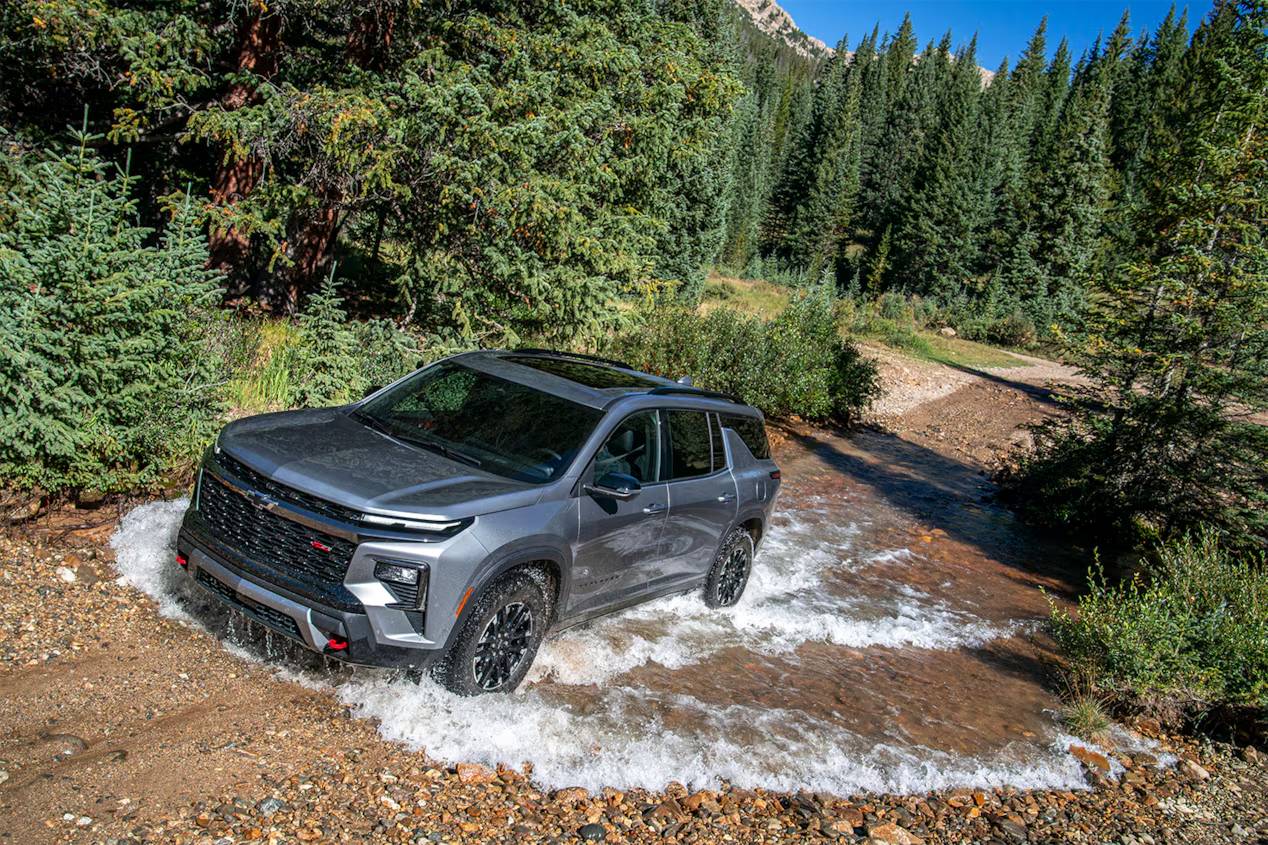
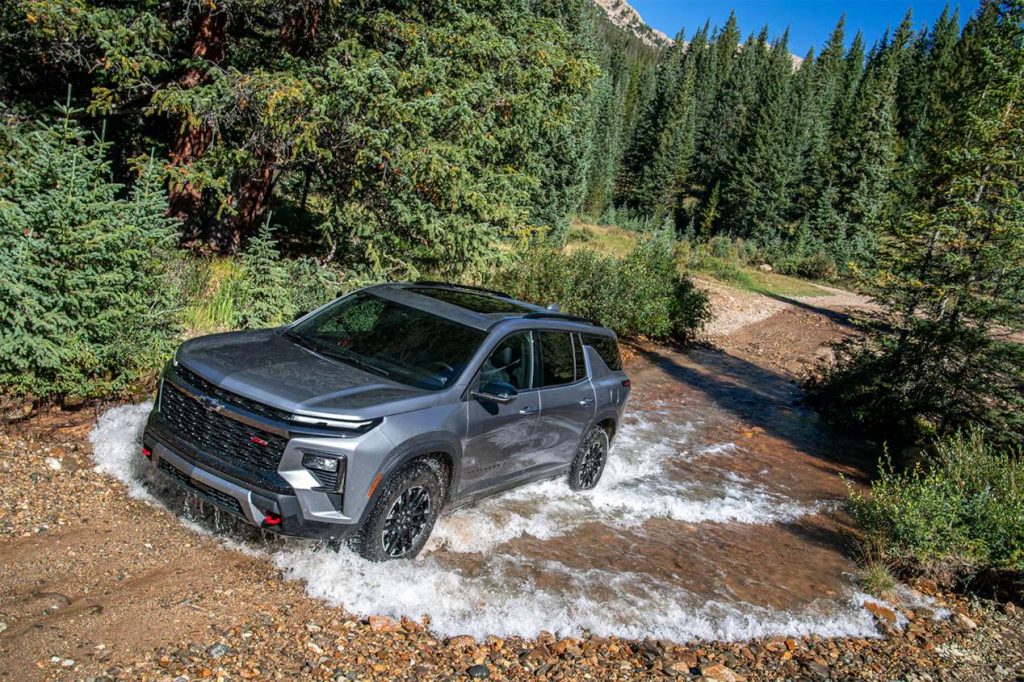
Shopping for a three-row SUV? The 2026 Chevy Traverse and 2026 Volkswagen Atlas both promise space and capability, but they go about it differently. The Traverse emphasizes power and towing muscle, while the Atlas focuses on being budget-friendly with decent fuel efficiency.
Both deliver the practicality families need with three rows and similar cargo volume, yet their approaches to performance and interior packaging reveal meaningful differences. Understanding where these SUVs diverge helps you match the right vehicle to your specific driving habits and priorities.
If you’re in the Tacoma area wondering which SUV suits your family better, come schedule a test drive and feel how they handle real roads.
2026 Chevy Traverse vs 2026 Volkswagen Atlas: Key Differences at a Glance
These SUVs represent two philosophies. Under the hood, the Traverse cranks out 328 horsepower and 326 lb-ft of torque from its 2.5L turbocharged four-cylinder, easily outgunning the Atlas’s 2.0L unit at 269 hp and 273 lb-ft. Both share an 8-speed automatic transmission and handle 5,000 pounds of towing, but the Traverse’s extra torque gives you more confidence when hauling boats or campers around Puget Sound. Fuel economy is a wash, with both landing at 20/27/23 mpg (city/highway/combined).
Where they split further is interior flexibility. The Traverse accommodates seven or eight passengers depending on your configuration choice, while the Atlas sticks with seven. Cargo space tells a similar story: the Traverse edges ahead with 22.9 cubic feet behind the third row, expanding to 97.6 cubic feet maximum, compared to the Atlas’s 20.6 to 96.6 cubic feet. The Atlas fights back with a lower starting price, making it worth a closer look if budget matters more than peak power. Want to see how these specs translate to real-world comfort? Explore our Traverse inventory and experience the difference firsthand.
Performance and Powertrain Comparison
Engine Power and Towing Capability
That 2.5L turbocharged four-cylinder in the Traverse pumps out 328 horsepower at 5,500 rpm and 326 lb-ft of torque at 3,500 rpm. Translation? Confident highway merging and climbing steep grades without breaking a sweat. The Atlas’s 2.0L turbo delivers 269 horsepower at 5,500 rpm and 273 lb-ft at 1,600 rpm. It’s adequate for daily driving and smooth cruising, just not as spirited when you need to pass on two-lane roads or merge onto I-5 during rush hour.
Both SUVs use 8-speed automatics and can tow 5,000 pounds when equipped properly. But the Traverse handles heavy trailers with more composure thanks to that torque advantage. Want off-road capability? The Z71 trim adds Twin-Clutch AWD, Terrain Mode, Hill Descent Control, and skid plates. The Atlas offers 4Motion AWD but less ground clearance (6.3 inches versus the Traverse’s 6.7 to 6.8 inches). That half-inch difference matters on unpaved forest roads and uneven campsite terrain.
Fuel Economy and Efficiency
Both SUVs deliver identical 20/27/23 mpg ratings for city, highway, and combined driving, so neither holds a fuel cost advantage during your daily Tacoma commute or weekend highway trips. Your real-world results will vary based on driving habits, terrain, and whether you’re towing. Given that efficiency is equal, the Traverse’s performance edge becomes a clear bonus. You get 59 more horsepower and 53 more lb-ft of torque without paying a penalty at the pump, which most buyers find worthwhile for the acceleration and towing benefits alone.
Interior Space and Passenger Comfort
Seating Capacity and Third-Row Access
Here’s where space matters. The Traverse seats seven or eight (depending on second-row setup) versus the Atlas’s seven-person limit. Front shoulder room measures 41.4 inches in the Traverse compared to 38.8 inches in the Atlas. That second-row shoulder room really stands out: 62.3 inches in the Traverse gives everyone breathing space, whether your kids are in car seats or your teens are stretching out. Hip room favors the Traverse too, with 62.1 inches up front and 58.7 inches in the second row.
Getting to the third row? The Traverse’s Smart Slide Seats tilt and slide forward smoothly, making access easier for kids and adults with mobility concerns. Three-zone climate control with rear vents keeps everyone comfortable on longer trips, which makes a noticeable difference during summer drives or when the car is full of passengers after school pickups. The Atlas handles seven people reasonably, but feels cramped when all seats are occupied by adults.
Cargo Space and Storage Versatility
Numbers tell the story: 22.9 cubic feet behind the third row in the Traverse, expanding to 97.6 cubic feet with seats folded. The Atlas offers 20.6 cubic feet behind row three, maxing out at 96.6 cubic feet. That one-cubic-foot advantage might seem small, but it matters when you’re packing camping gear or hauling furniture from the store.
Both handle everyday family needs like strollers and sports equipment without issues. When you need maximum space for weekend trips to Mount Rainier or home improvement hauls, the Traverse wins by a meaningful margin.
Technology and Infotainment Features
Infotainment Systems and Connectivity
The Traverse features a massive 17.7-inch touchscreen running Google-based software with built-in navigation. The Atlas counters with a 12-inch screen offering wireless Apple CarPlay and Android Auto plus a digital cockpit display. Both connect smartphones seamlessly with responsive interfaces that don’t frustrate you with lag.
Standard and available features on the Traverse include wireless charging, HD Rear Vision Camera, AutoSense Power Liftgate, heated steering wheel, keyless ignition, and turn signals in mirrors. Premium audio systems enhance road trips whether you’re streaming podcasts or playing your favorite playlists.
Driver Assistance and Safety Technology
Chevy Safety Assist comes standard on the Traverse with Adaptive Cruise Control, Lane Keep Assist, Blind Zone Steering Assist, Rear Park Assist, front pedestrian detection, and Stolen Vehicle Assistance. That last feature adds peace of mind by helping authorities locate your vehicle if it’s ever stolen. The Atlas matches with its IQ.DRIVE suite featuring adaptive cruise, lane keeping, and emergency assist.
Both models deliver comprehensive safety packages with blind-spot monitoring, rear cross-traffic alert, and forward collision warning. The Traverse’s Blind Zone Steering Assist goes a step further by actively nudging the steering wheel to help you avoid drifting into an occupied lane, rather than just alerting you. You can test how these systems respond during your visit to our dealership.
Trim Levels and Value Comparison
The Traverse starts with LT featuring 18-inch wheels, power driver seat, tri-zone climate, navigation, and adaptive cruise. Z71 adds Twin-Clutch AWD, all-terrain tires, skid plates, and Terrain Mode for families who take weekend trips beyond paved roads. RS brings sport styling, while High Country tops out with available 22-inch wheels, advanced suspension, and premium interior touches.
Atlas SE begins with 18-inch wheels, cloth seats, and tri-zone climate. SEL upgrades to leather and enhanced features. SEL Premium R-Line adds 20-inch wheels, massaging seats, and a panoramic roof. The Atlas offers more trim flexibility for different budgets, though prices converge as you move up the ladder. Want to discuss financing options for your preferred configuration? Our team can explain monthly payments and current incentives.
Why the 2026 Chevy Traverse Is the Better Choice
The Traverse wins for families who value performance, space, and versatility. That 2.5L turbo with 328 horsepower doesn’t just help with towing; it delivers confident acceleration for highway passes and merges. The extra interior space, especially that 62.3 inches of second-row shoulder room and the available eight-passenger configuration, transforms long drives into comfortable experiences. Fold those rear seats and you unlock 97.6 cubic feet that handles home projects, camping gear, and college move-in day without compromise.
The 17.7-inch touchscreen and standard Chevy Safety Assist package mean you’re not paying extra for features that come as options elsewhere. This SUV grows with your changing needs throughout ownership. The blend of daily comfort and weekend capability makes it a smarter long-term choice for active families who need one vehicle that excels across multiple scenarios.
Schedule Your Traverse Test Drive at Titus-Will Chevrolet
Come experience the 2026 Chevy Traverse at Titus-Will Chevrolet, where over 85 years of automotive expertise meets modern convenience. Our Parkland showroom sits minutes from Tacoma, Olympia, and Joint Base Lewis-McChord, making it easy to see how this SUV fits your daily routine. Our team will explain trim levels, answer your questions, and let you test drive on roads you know.
We get that buying a family SUV is a big decision. That’s why we offer flexible financing for all credit situations, trade-in evaluations, and online purchasing with home delivery if that works better for your schedule. Contact our team at 11011 Pacific Ave S, Parkland, WA 98444, or call 253-448-8157 to schedule your test drive and discover why the Traverse keeps winning over Pacific Northwest families.
2026 Chevy Traverse vs 2026 Honda Pilot
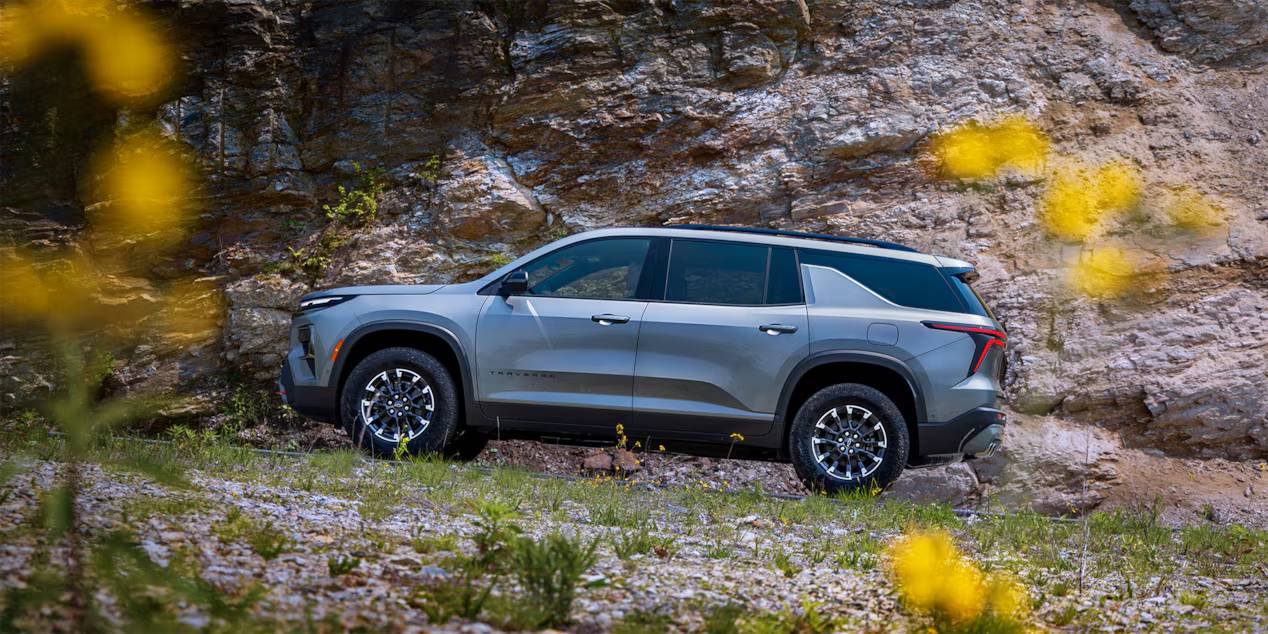
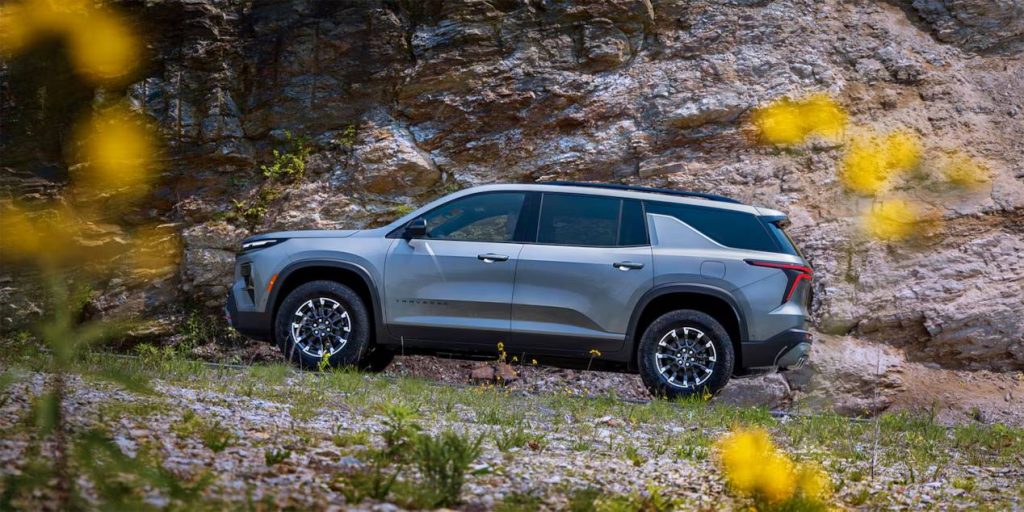
Shopping for a midsize SUV that can handle school runs, weekend getaways, and everything in between? The 2026 Chevy Traverse and 2026 Honda Pilot both promise to deliver, but which one actually fits your family’s lifestyle? At Titus-Will Chevrolet, we have compared these three-row SUVs side by side to help Tacoma-area families make an informed decision based on performance, space, and real-world capability.
At a Glance: 2026 Chevy Traverse vs 2026 Honda Pilot
The Chevrolet Traverse vs Honda Pilot debate comes down to what matters most for your daily driving.
Under the hood, the Traverse runs a 2.5L turbocharged inline-4 producing 328 hp and 326 lb-ft of torque. The Pilot uses a 3.5L V6 rated at 285 hp and 262 lb-ft. That gives the Traverse 43 more horsepower and 64 more lb-ft of torque, delivering stronger acceleration for highway merging and passing. The Traverse pairs with an 8-speed automatic, while the Pilot gets a 10-speed.
Both SUVs seat up to 8 passengers, though the Traverse offers a 7-seat configuration and the Pilot drops to 7 seats in the TrailSport trim. Where the Pilot pulls ahead is cargo space: 113.7 cu. ft. behind the first row compared to the Traverse’s 97.6 cu. ft. The Traverse is slightly longer overall at 204.5 inches vs. 200.1 inches.
Towing capacity maxes out at 5,000 lbs for both when properly equipped, though the Pilot drops to 3,500 lbs in FWD form. Fuel economy is a wash at an estimated 22 MPG combined for the FWD versions of each.
On safety, the 2025 Chevrolet Traverse earned a 5-star overall NHTSA crash test rating, which carries over to the 2026 model. The 2025 Honda Pilot earned an IIHS Top Safety Pick award, and while NHTSA results for the refreshed 2026 Pilot are pending, the previous generation received 5 stars as well. Both come standard with Apple CarPlay and Android Auto.
Want to feel these differences yourself? Schedule a test drive at our Parkland location to see how the Traverse handles Pacific Northwest roads.
Performance and Powertrain Comparison
Engine Power and Driving Dynamics
The Traverse’s 2.5L turbocharged engine cranks out 328 horsepower and 326 lb-ft of torque, giving noticeably stronger acceleration than the Pilot’s 3.5L V6 (285 hp, 262 lb-ft). This power advantage shows up when you’re merging onto highways or need to pass slower traffic. The Traverse matches its engine with an 8-speed automatic that finds the sweet spot between performance and efficiency.
The Pilot rides smoothly and comfortably, but drivers who want responsive acceleration will find the Traverse’s turbocharged setup more satisfying. The gap becomes obvious when you’re loaded with passengers and cargo heading up mountain passes or towing recreational gear.
Towing Capacity and Real-World Use
Weekend warriors need to pay attention here. The Traverse hits 5,000 lbs maximum towing capacity whether you choose FWD or AWD, making it simple to haul boat trailers, camping gear, or recreational vehicles without worrying about which drivetrain you picked.
The Pilot only reaches 5,000 lbs with AWD models. FWD versions max out at 3,500 lbs, which limits your options if you want towing capability without paying for AWD. For families who regularly tow equipment for outdoor adventures (common around here), the Traverse gives consistent capability no matter your drivetrain choice.
Interior Space and Passenger Comfort
Three-Row Seating That Actually Works
The Traverse fits passengers comfortably in all three rows. Second-row riders get generous legroom and headroom, while the third row genuinely works for adults on longer trips. This matters when you’re carpooling with other families or when teenagers need actual space instead of cramped emergency seating.
The Pilot has three rows, but that back row feels tight for adult passengers. Parents who transport older kids or offer rides to relatives will notice how the Traverse doesn’t force anyone into uncomfortable positions.
Cargo Space That Works for Real Life
The Traverse provides 98 cubic feet of maximum cargo volume with rear seats folded. While the Pilot offers more total cargo space (113.7 cubic feet), the Traverse delivers where it counts for daily use: 22.9 cubic feet behind the third row compared to the Pilot’s 18.6 cubic feet. This means you get more usable space with all passengers aboard.
When you fold the second and third rows, the Traverse’s 98 cubic feet handles sports equipment, vacation luggage, and home project supplies without issue. The flexible storage setup lets you configure space to match whatever you’re hauling, and the flat load floor makes sliding items in and out easier.
For most families, the Traverse’s cargo capacity is more than adequate. That extra space behind the third row often determines whether you need to leave gear behind or can load everything for weekend trips with a full crew aboard.
Technology, Infotainment, and Safety Features
The Traverse comes with a larger standard touchscreen that makes navigation, music selection, and phone integration easier to manage while driving. The interface responds quickly and doesn’t require multiple taps to reach commonly used features.
Safety features deserve attention here. The Traverse includes a comprehensive suite of driver-assistance technologies as standard across its lineup. Parents get peace of mind knowing these protective features come included rather than requiring expensive upgrades.
The Pilot offers advanced safety systems, but many only appear on higher trim levels. Budget-conscious families might find themselves choosing between desired features and affordable pricing. The Traverse’s approach of including more safety tech as standard removes that uncomfortable decision.
Trim Levels and Available Configurations
Understanding how each SUV’s trim lineup works helps you find the right configuration for your budget and needs.
The Traverse offers more configurations, letting buyers tailor their SUV to match specific preferences and budgets. At the base LT level, you get a turbo engine, 8-speed automatic, 18-inch wheels, and cloth seats. Step up to the RS and you can add AWD, a larger screen, heated seats, and surround vision. The Z71 brings a tow package, off-road suspension, and premium audio for buyers who need trail-ready capability. At the top, the High Country delivers ventilated seats, an HD surround camera, and luxury materials throughout. Whether you want off-road capability, luxury appointments, or value-focused basics, there’s likely a Traverse trim that fits. Browse our new Traverse inventory to explore available configurations.
The Pilot provides solid trim options but doesn’t match the Traverse’s variety. The base trim comes with a V6 and 10-speed automatic paired with Honda Sensing basics. The EX-L adds AWD and a ventilated seats option, while the Touring brings leather and advanced AWD traction. The Black Edition rounds out the lineup with elite features and a premium interior. Families with specific requirements might find themselves compromising on features or paying for packages that include unwanted items just to get what they actually need.
Pricing and Overall Value
Value matters in the competitive midsize SUV segment. The Traverse typically starts at a lower price point than the Pilot while delivering comparable or superior features. This pricing advantage continues across the lineup, making it easier for families to get the configuration they want without stretching their budget.
When you compare dollar for dollar, the Traverse delivers more vehicle for your investment. The combination of lower entry pricing, generous standard features, and higher towing capacity creates a compelling value proposition. Families looking to maximize their buying power will find the Traverse offers real-world capability without premium pricing, making it a smart choice for budget-conscious buyers who refuse to compromise on space or functionality.
Why the 2026 Chevy Traverse Makes More Sense
The Traverse stands out as the practical choice for families who need a versatile, capable SUV that handles real-world demands. Its powerful turbocharged engine provides 43 more horsepower than the Pilot, while the consistent 5,000-lb towing capacity across all drivetrains eliminates configuration guesswork.
Add in the superior fuel economy, quicker acceleration, and the confidence of proven GM engineering, and the Traverse becomes more than just a transportation solution. It’s a family command center built for the long haul, delivering dependable performance through years of daily commutes, road trips, and everything in between.
Schedule Your Traverse Test Drive
Experience how this SUV handles, how comfortable the seating feels, and how the technology works in person by visiting us at Titus-Will Chevrolet. Located at 11011 Pacific Ave S in Parkland, we’ve served Pacific Northwest families since 1938 as part of Washington State’s largest volume auto group.
Our experienced team can walk you through different Traverse configurations, explain financing options for various credit situations, and answer specific questions about how this SUV fits your family’s lifestyle. Our state-of-the-art facility includes a certified service center, ensuring your Traverse receives expert care long after you drive it home.
Whether you’re coming from Tacoma, Olympia, Puyallup, Lakewood, or Joint Base Lewis-McChord, we make the shopping experience straightforward and pressure-free. Our finance department offers flexible loans and leasing options, while convenient services like online purchasing with home delivery and trade-in valuation help streamline the process.
Schedule your test drive online or contact our sales team at 253-448-8157 to discover why the 2026 Chevy Traverse might be the perfect fit for your family’s next adventure.
Connect with us


