




Titus-Will Chevrolet-Tacoma

Blog

2026 Chevrolet Equinox Vs 2026 Toyota RAV4

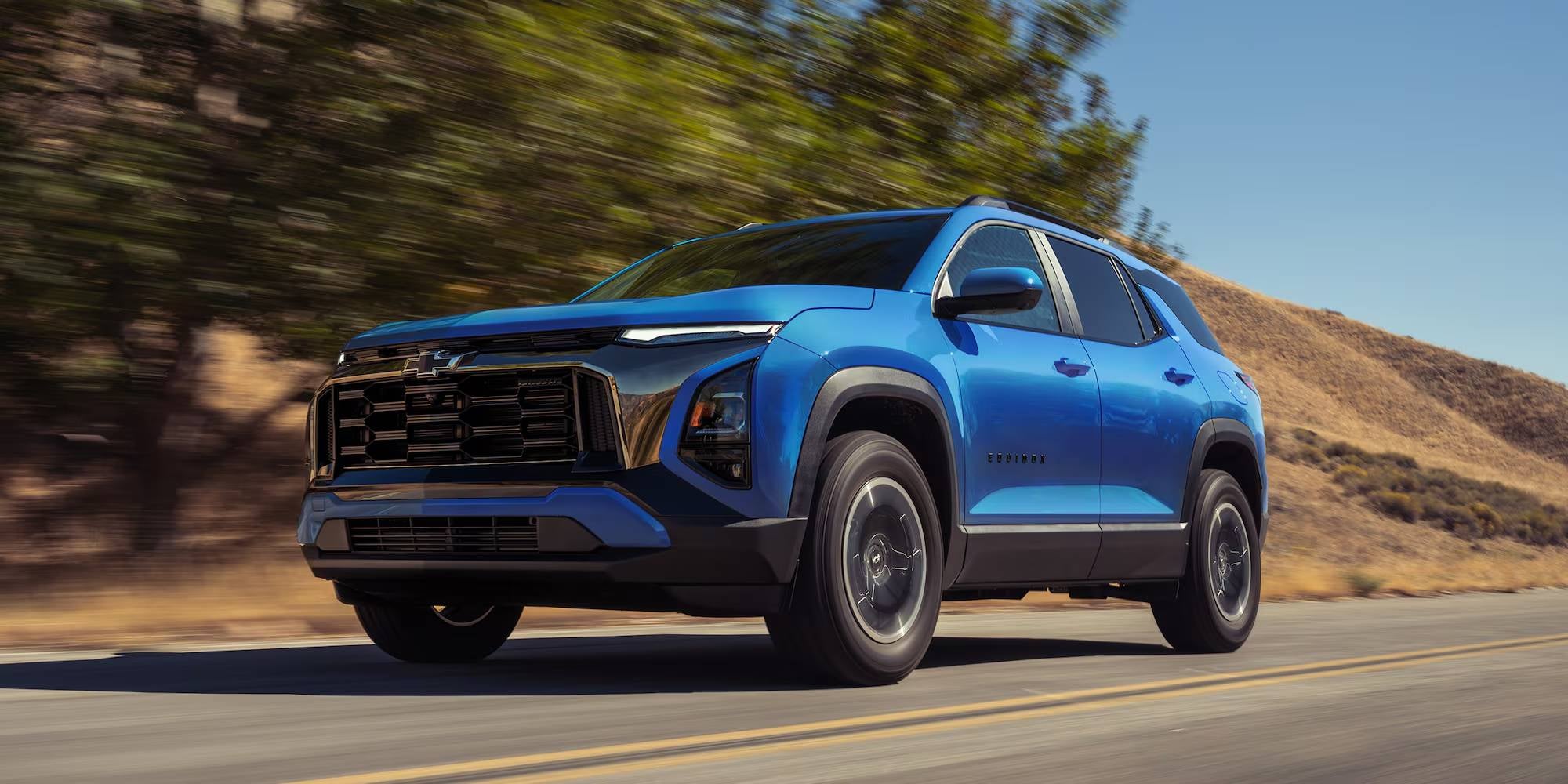
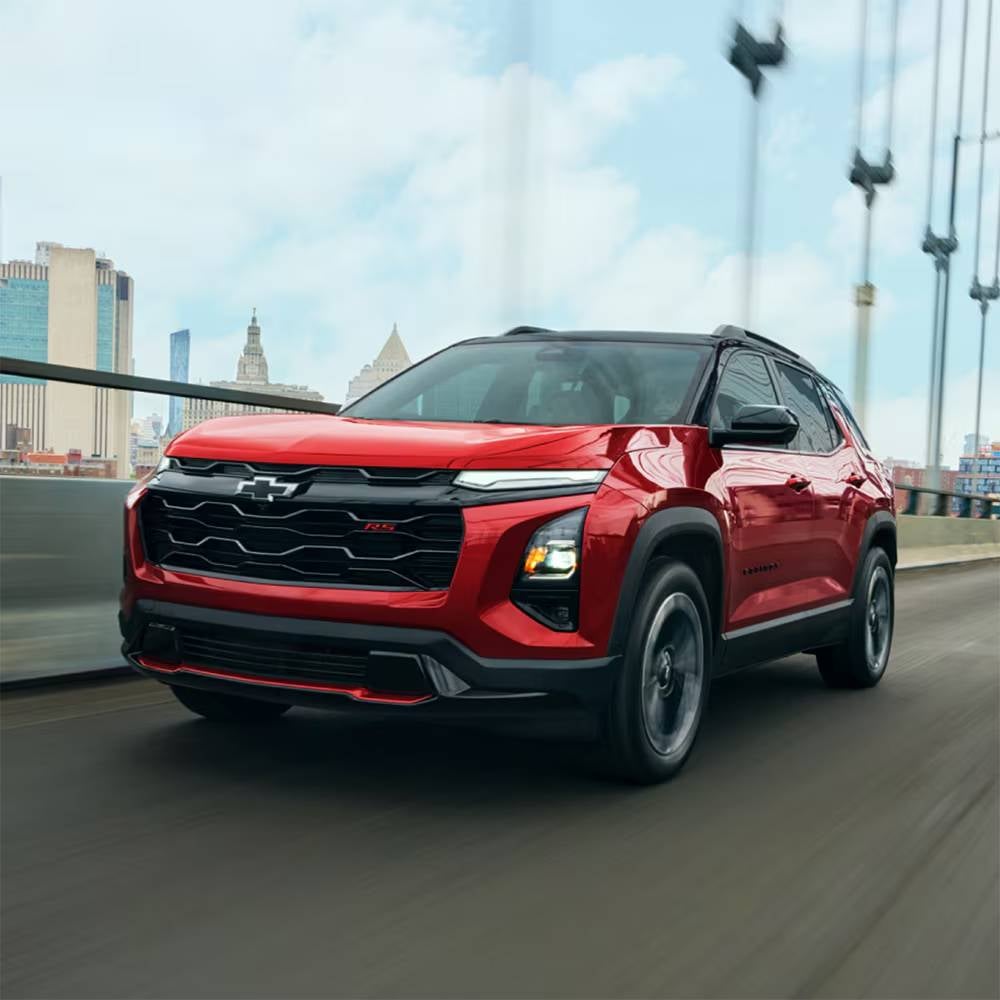
2026 Equinox

Right now, the 2026 Chevrolet Equinox and the 2026 Toyota RAV4 are two of the most talked-about compact SUVs on the market. Both are capable and well-rounded, but they're built around different priorities. If the 2026 Equinox sounds like your kind of vehicle, take a look at our current inventory or get in touch with us to schedule a test drive at Titus-Will Chevrolet.

Why the 2026 Equinox Stands Out in a Crowded Compact SUV Market

The compact SUV market rewards vehicles that do a little of everything well, and the 2026 Equinox takes that seriously. It delivers a feature-rich experience with genuine day-to-day practicality that's hard to overlook, whether you're running errands around Tacoma or heading further out into the Pacific Northwest for the weekend.

The Equinox's design strikes a confident balance between modern aesthetics and everyday usability. It doesn't feel like a vehicle you're settling for. Most drivers find it easy to live with from the start, and that accessibility gives the Equinox a meaningful edge for a wide range of shoppers in the Greater Tacoma area.

Performance and Powertrain: Flexibility vs. a Hybrid-Only Approach

Powertrain choice is one of the biggest differences between these two SUVs. The 2026 RAV4 has shifted to a hybrid-only sixth-generation lineup, which narrows your options considerably. The Equinox stays with a conventional turbocharged gasoline approach, and that simplicity has real value depending on how and where you drive.

Equinox Engine Performance

Chevrolet equips the 2026 Equinox with a 1.5-liter turbocharged four-cylinder engine producing 175 horsepower paired with an automatic transmission. It responds well in city traffic, holds its own during highway merges, and doesn't feel strained on longer drives.

For daily commuters working through Tacoma's mix of urban streets and highway stretches, that kind of responsive, adaptable performance is exactly what you want.

RAV4's Hybrid-Only Powertrain

Toyota's decision to go hybrid-only with the 2026 RAV4 will appeal to buyers who prioritize fuel economy above all else. The standard hybrid delivers 226 horsepower in FWD configuration and 236 horsepower in AWD. The available plug-in hybrid steps that up to 324 horsepower, which is a significant jump.

For buyers fully committed to an electrified experience, the RAV4's powertrain is a genuine draw. It does remove the option of a traditional gasoline-only setup, though, which may not suit drivers who prefer more straightforward fueling and maintenance routines.

Cargo Capacity: Making the Most of Every Mile

When comparing practicality, cargo space matters as much as horsepower. The 2026 Equinox offers 29.8 cubic feet behind the second row and 63.5 cubic feet with the seats folded. Beyond raw volume, Chevrolet designed the Equinox with a lower load floor and a wider cargo opening, which makes loading groceries and luggage noticeably easier on a daily basis. You're not wrestling with awkward angles or tight corners to fit your gear.

The RAV4 carries up to 37.8 cubic feet behind the rear seats, which gives it a larger raw number on paper. If total volume is your primary consideration, the RAV4 has the edge in this category. For most of our customers, though, the Equinox's thoughtful cargo layout makes that space easier to use in practice, which is what matters most when you're packing the vehicle after a weekend trip near Mount Rainier or loading up after a Costco run.

Towing Capacity: When You Need to Haul More

On towing, the RAV4 has a real advantage. It's rated to tow up to 3,500 pounds on select models (excluding the baseline LE trim), making it the stronger option for buyers who regularly pull a trailer or a small boat.

The 2026 Equinox has a maximum towing capacity of 1,500 pounds, which covers light utility trailers and occasional hauls just fine. If serious, consistent towing is part of your lifestyle, the RAV4 has a clear edge here, and we'll always be upfront about that. Knowing your actual towing needs before choosing between these two vehicles will make sure you end up with the right fit.

Technology and Infotainment: Staying Connected Behind the Wheel

The 2026 Equinox's technology setup reflects Chevrolet's focus on delivering genuinely accessible, user-friendly features. The 11.3-inch infotainment touchscreen is responsive and logically organized, easy to operate without pulling your attention off the road. An 11-inch digital instrument display gives drivers a clear, customizable view of vehicle information. Wireless smartphone connectivity means no fumbling with cables, and the Google-based in-vehicle technology integrates voice commands and apps in a way that feels straightforward from day one.

On the safety side, Chevrolet includes Chevy Safety Assist as a suite of standard driver-assistance features. The Equinox also offers Teen Driver, which lets parents set speed alerts and audio limits, Buckle to Drive, which requires the driver's seatbelt to be fastened before shifting out of park, and Safety Alert Seat, which provides tactile alerts through the driver's seat rather than a loud chime.

The RAV4 offers a 12.3-inch digital gauge cluster across all models and a 10.5-inch touchscreen as standard, with a 12.9-inch screen available on higher trims (XSE and Limited). Toyota Safety Sense 4.0 is included and covers a solid range of driver-assistance functions. The RAV4's tech is genuinely capable, though a number of owners have noted that the infotainment interface takes more time to learn compared to Chevrolet's more approachable layout.

The Verdict: Why the 2026 Chevrolet Equinox Is the Smarter Choice

Looking at the full picture, the 2026 Chevrolet Equinox is the more practical, well-rounded choice for most buyers in the Greater Tacoma area. It runs on a conventional turbocharged powertrain with no mandatory electrification, its cargo area is designed for real-world loading, and the technology is easy to pick up from the first drive. The safety features are thoughtful rather than just thorough.

The RAV4 is a strong vehicle. Buyers who specifically need higher towing capacity, want the higher power output of the plug-in hybrid, or are fully committed to an electrified drivetrain have genuine reasons to consider it. For most drivers, the Equinox delivers more of what actually matters day to day, without adding complexity.

Schedule a Test Drive at Titus-Will Chevrolet

Reading about a vehicle only goes so far. The best way to understand what the 2026 Equinox brings to your daily life is to get behind the wheel and experience it yourself. Titus-Will Chevrolet is located at 11011 Pacific Avenue South in Tacoma and has been serving the Greater Tacoma area since 1938, as part of Washington State's largest volume auto group.

We serve drivers from Olympia, Puyallup, Lakewood, and Joint Base Lewis-McChord. You can visit us in person, browse inventory online, or take advantage of our home delivery and trade-in valuation services. Our finance team works with all credit profiles to find flexible loan and lease options. Call 253-448-8157 to get started, or contact our team online to schedule your test drive today.
Recommended Posts

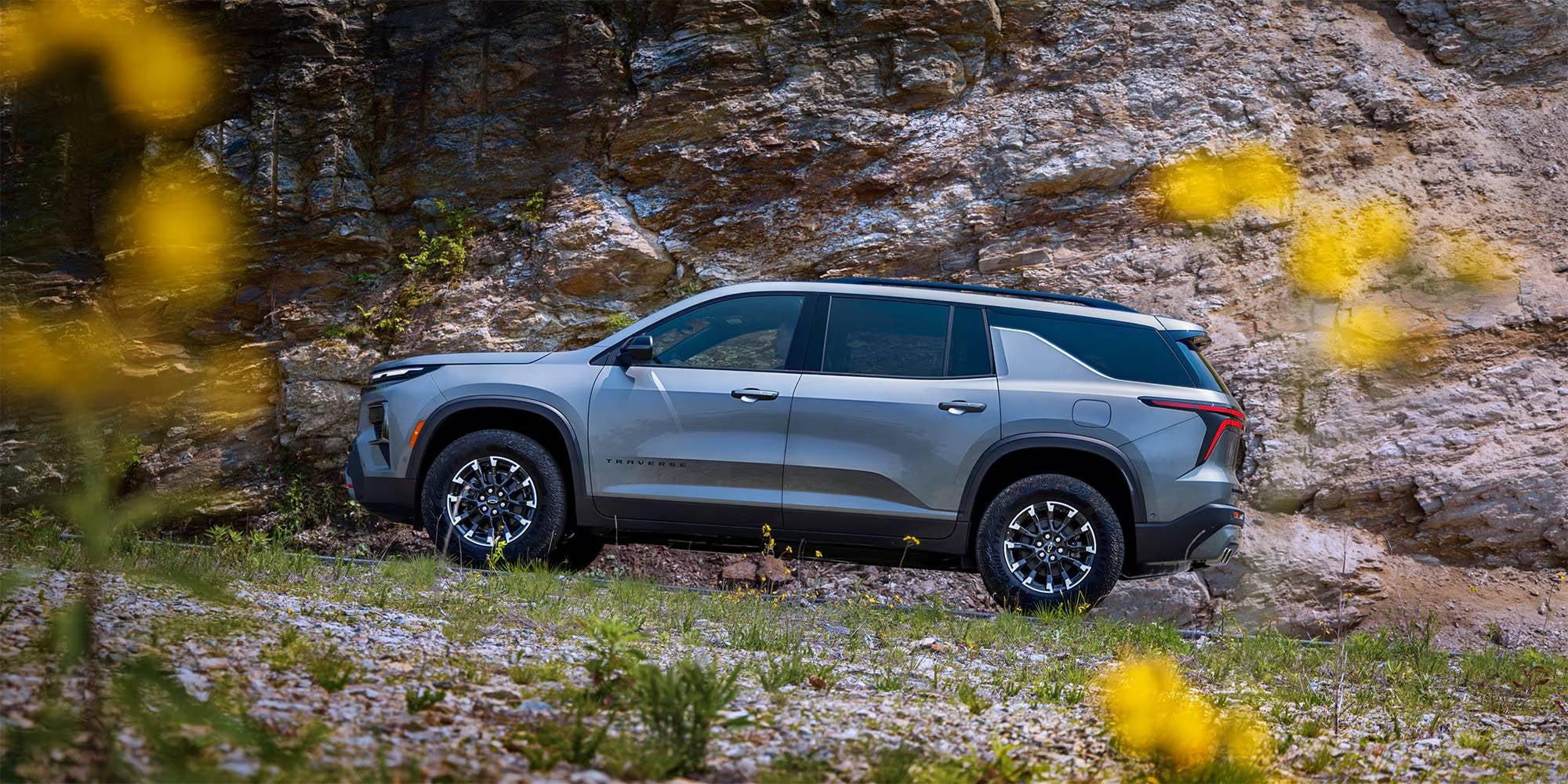
2026 Ford Traverse

2027 Chevy Traverse vs 2027 Toyota Highlander

Families across Tacoma, WA shopping for a three-row SUV have two strong contenders this year, and the comparison looks pretty different than it did in past model years. The 2027 Toyota Highlander went through a full redesign and now comes exclusively as an electric vehicle, while the 2027 Chevy Traverse sticks with a turbocharged gas engine and the flexibility that comes with it. If you want to see the Traverse in person before wading through another spec sheet, you can schedule a test drive at Titus-Will Chevrolet today. This Chevy Traverse vs Toyota Highlander breakdown looks at towing capacity, cargo room, tech features, and safety gear so you can see exactly where each SUV stands before you decide. 2027 Chevy Traverse vs 2027 Toyota Highlander: Which SUV Wins? Line up the 2027 Chevy Traverse vs 2027 Toyota Highlander side by side, and the two SUVs take genuinely different approaches. Chevrolet builds the Traverse around a turbocharged gas engine paired with an 8-speed automatic, available in FWD or AWD depending on trim. Toyota, meanwhile, redesigned the Highlander from the ground up as a fifth-generation, all-electric-only model, so there's no gas or hybrid version for 2027. Committing fully to electric power gave Toyota room to add a longer wheelbase and vehicle-to-load capability on the Highlander. Tacoma-area drivers who tow trailers, haul gear, or take long I-5 road trips without easy charging access at every stop will likely find the Traverse's traditional powertrain simpler to live with. That difference in approach shapes almost everything else in this comparison. Performance and Towing: Traverse Takes the Lead Under the hood, the 2027 Traverse runs a turbocharged 2.5L I4 engine producing 328 hp and 326 lb-ft of torque, routed through an 8-speed automatic transmission. More importantly for buyers who tow, Chevrolet rates every Traverse trim, LT, RS, Z71, and High Country, at 5,000 lb of towing capacity, regardless of whether you choose FWD or AWD. That consistency means you're not forced into a specific drivetrain or battery size just to get adequate towing numbers. The Highlander EV takes a tiered approach instead. FWD models produce 221 hp and 198 lb-ft, while AWD versions step up to 338 hp with 198 lb-ft at the front motor and 125 lb-ft at the rear. Toyota has not published a towing rating for the Highlander EV, and pricing hasn't been announced either, with sales expected to begin late in 2026. Families planning to tow a boat toward Mount Rainier or haul a small trailer on a ferry run to the Olympic Peninsula have a published 5,000 lb figure to work from on the Traverse today. Passenger Space and Cargo Capacity Compared Space is where the size question gets interesting. Behind the third row, the Traverse offers 22.9 cu ft of cargo space, compared to 15.9 cu ft in the Highlander EV. Fold the third row down and the Traverse gives you 56.6 cu ft, while maximum cargo capacity climbs to 97.6 cu ft. Toyota publishes 45.6 cu ft for the Highlander EV with the third row folded and has not released a figure with both rear rows down. Headroom and legroom in the Traverse measure 42.6 inches and 44.2 inches up front, 39.9 inches and 41.4 inches in the second row, and 38.5 inches and 32.1 inches in the third row. Seating comes standard for seven with second-row captain's chairs, and the LT trim offers an 8-passenger bench at no extra cost. The Highlander EV counters with a longer wheelbase, up from 112 inches to 120.1, and an overall length of 198.8 inches, which does translate to solid legroom in certain rows. Second-row captain's chairs are standard for six-passenger seating, with a bench available only on the XLE AWD grade to reach seven. For Tacoma families loading up gear for a weekend at Mount Rainier or packing for an Olympic Peninsula getaway, the Traverse's extra cargo volume in nearly every measurement makes a real difference once the trunk starts filling up. Technology and Infotainment Features Inside, the Traverse offers an 11.0-inch driver display paired with a 17.7-inch touchscreen, wireless Apple CarPlay and Android Auto, a wireless charging pad, six USB ports, and Google built-in for native navigation and apps. Audio ranges from a standard 6-speaker setup to an available 12-speaker Bose system for buyers who want richer sound on long highway stretches. Toyota equips the Highlander EV with a standard 14-inch touchscreen, a digital instrument cluster, ambient lighting, and the latest Toyota Audio Multimedia system, also with Apple CarPlay and Android Auto support. It adds vehicle-to-load capability, letting owners power outside equipment directly from the battery, and offers an available 11-speaker JBL premium audio system. Both systems are capable, but the Traverse's larger touchscreen and Google built-in integration give it a slight edge for drivers who want quick, intuitive access to navigation and apps without relying solely on a paired phone. If you're ready to compare trims in person, you can also browse our new Chevrolet inventory to see which Traverse configuration fits your family best. Interior Comfort and Safety Advantages Both automakers bring serious engineering to the safety category. Chevy Safety Assist comes standard across the entire Traverse lineup, bundling Automatic Emergency Braking, Forward Collision Alert, Front Pedestrian Braking, Lane Keep Assist with Lane Departure Warning, a Following Distance Indicator, and IntelliBeam automatic high beams. Chevrolet counts more than 20 standard safety and driver assistance features in total, with adaptive cruise control, blind zone steering assist, and rear cross traffic braking among them. Toyota Safety Sense 4.0 (TSS 4.0) is standard on every Highlander, covering automatic emergency braking with pedestrian detection, adaptive cruise control, lane-departure and lane-keeping assist, automatic high beams, lane-tracing assist, road sign recognition, and proactive driving assist. The Highlander also includes Safe Exit Assist, 64-color customizable ambient lighting, and a standard Drive Recorder that captures short clips from the exterior cameras. Where the Traverse pulls further ahead is Super Cruise, Chevrolet's hands-free driving system that comes standard on the RS and High Country trims and is available on LT and Z71. Toyota does offer Traffic Jam Assist on the Highlander Limited, but it is built for slow, congested traffic rather than open highway, and it requires a Drive Connect subscription. For long stretches of I-5 at speed, Super Cruise is the more useful of the two. Why the 2027 Chevy Traverse Is the Smarter Choice Toyota put real engineering effort into the Highlander EV. Its longer wheelbase, standard TSS 4.0 suite, and vehicle-to-load capability are genuine strengths worth acknowledging. Most Tacoma-area families need consistent towing power and usable cargo space more than anything else, though, and that's where the Traverse pulls ahead. The universal 5,000 lb towing rating across every trim, the extra cargo volume behind every row, and the availability of Super Cruise combine to make the Traverse a more flexible everyday SUV. Whether you're loading gear for Mount Rainier, packing for an Olympic Peninsula ferry run, or just running errands around town, the Traverse handles it without asking you to choose a specific battery size or drivetrain first. Schedule Your 2027 Chevy Traverse Test Drive at Titus-Will Chevrolet See the Traverse for Yourself Specs only tell part of the story, and the best way to feel the difference is behind the wheel. We invite you to schedule a test drive at Titus-Will Chevrolet and experience the 2027 Traverse's power, cargo room, and technology for yourself. Our team can walk you through the LT, RS, Z71, and High Country trims and help you find the right fit for your family and budget. Get in Touch Stop by our dealership at 11011 Pacific Avenue South, Tacoma, WA, call us at 253-448-8157, or contact Titus-Will Chevrolet online to get started. We're ready to help you make the smarter choice in the 2027 Chevy Traverse vs 2027 Toyota Highlander comparison.

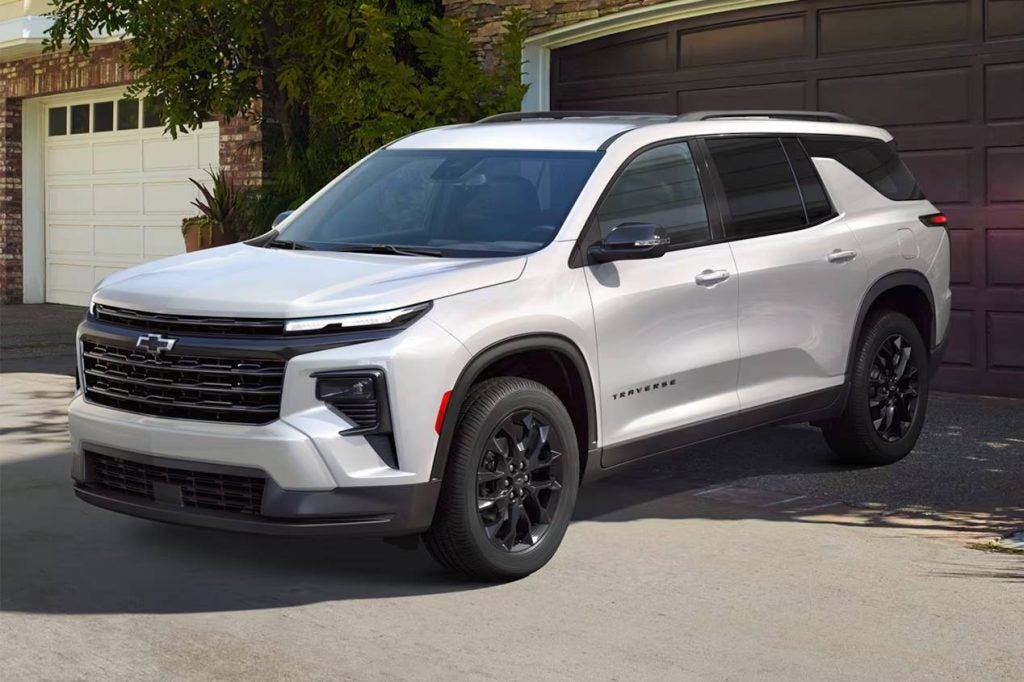
2026-traverse-design-01

2026 Chevrolet Traverse vs 2026 VW Atlas

Choosing a three-row family SUV means weighing engine output against interior space, and figuring out whether extra tech features are worth the price difference. The 2026 Chevrolet Traverse and the 2026 Volkswagen Atlas are two of the strongest contenders in this segment, and they represent different ideas about what a family SUV should be. The Atlas leans into approachable pricing and a straightforward feature set, while the Traverse is built around stronger performance, more passenger space, and technology that actively supports family life. Both vehicles serve families well, but line them up side by side and the differences start to matter. For families in Tacoma, WA hauling gear toward Mount Rainier, those differences can shape which SUV actually fits daily life. If you'd like to see the Traverse in person, you can browse new Chevrolet models at Titus-Will Chevrolet. Performance and Powertrain Comparison The Traverse arrives with a clear performance advantage. Its 2.5L turbocharged inline-four produces 328 hp and 326 lb-ft of torque, paired with an eight-speed automatic transmission. The Atlas relies on a 2.0L turbocharged four-cylinder rated at 269 hp and 273 lb-ft of torque. That gap translates directly into stronger acceleration and better towing capability for the Traverse, which matters for families hauling trailers, boats, or camping gear toward Puget Sound or up into the mountains. Both SUVs deliver smooth power delivery in everyday driving, but the Traverse combines its stronger output with competitive fuel efficiency, so you're not trading economy for power. That makes it the more compelling choice for drivers who want confidence at highway speeds or when merging onto busy Tacoma-area roads with a full load of passengers. Off-Road Capability: Traverse Z71 vs Atlas If your weekends include logging roads or the kind of rugged Pacific Northwest terrain that demands real traction, the Traverse Z71 trim deserves a look. It's built with all-terrain tires, a raised suspension, and off-road-tuned driving dynamics designed to help the vehicle hold traction on uneven or slippery surfaces. It also includes the AutoSense Power Liftgate, and the RS and High Country trims add One-Touch Fold second-row seats for quick cargo access. The Atlas offers available 4Motion AWD and handles typical mixed-condition driving reasonably well, but Volkswagen doesn't offer a dedicated off-road trim to match the Z71. Pavement commuters will find the Atlas holds its own just fine. Once you start leaving the pavement behind on a regular basis, though, the Z71 offers capability the Atlas simply can't touch. Technology and Infotainment Features Modern families lean on their vehicles for connectivity as much as transportation, and both SUVs reflect that. The Traverse features a 17.7-inch diagonal infotainment touchscreen with Google built-in. Drivers get Google Maps, Google Play, and the Google-powered in-vehicle assistant right on the dash, along with a standard 11.0-inch digital gauge display. The Atlas offers a 12.0-inch infotainment display paired with a 10.25-inch Digital Cockpit Pro gauge cluster. The larger Traverse screen and more intuitive interface make it easier to navigate menus or adjust settings without taking your eyes off the road for long. The Traverse also offers Super Cruise™, a hands-free driving system that comes standard on the High Country and RS trims and is available on the others. It works on more than 585,000 miles of compatible roads across the U.S. and Canada, including many stretches families might use commuting or road-tripping. The Atlas has no comparable hands-free system, which gives the Traverse a meaningful technology edge for long highway stretches. Ready to compare these features in person? You can schedule a test drive at Titus-Will Chevrolet and try the Google built-in system and Super Cruise for yourself. Passenger Space and Seating Comfort The Traverse seats up to eight with bench seating or seven with available captain's chairs, while the Atlas tops out at seven. That extra flexibility matters for larger families or carpooling duty. The Traverse also offers more shoulder room, measuring 62.28 inches in front, 62.17 inches in the second row, and 57.72 inches in the third row, an advantage that shows up on longer drives when adults are riding in the back seats. The Traverse's Smart Slide Seats make third-row entry and exit easier, cutting down on the awkward maneuvering that makes second-row passengers dread climbing through. Standard heated front and rear seats, a heated steering wheel, and three-zone climate control round out the comfort features. The Atlas's third row is noticeably tighter for adult passengers, and Volkswagen doesn't offer an equivalent seat-sliding feature. Families who actually use all three rows on a regular basis will notice the difference the Traverse's layout makes. Cargo Capacity and Storage Versatility Space behind the passengers matters just as much as space for them. The Traverse offers up to 97.6 cubic feet of maximum cargo room with the rear seats folded, 56.6 cubic feet behind the second row, and 22.9 cubic feet behind the third row. The Atlas offers 96.6 cubic feet of maximum cargo space, close to the Traverse's figure but still slightly behind. That extra room adds up when you're loading gear for a trip toward the coast or across Washington State, whether it's sports equipment, strollers, or a week's worth of vacation luggage. Both SUVs offer thoughtful in-cabin storage, but the Traverse's larger overall footprint gives families more flexibility when packing for a full house. Why the 2026 Chevrolet Traverse Is the Smarter Choice The Traverse leads across several categories that matter most to active families, not just one. Chevrolet's engineering gives it an edge in horsepower, torque, and towing. The Z71 trim brings genuine off-road ability the Atlas can't match. The infotainment system is larger and easier to use, Super Cruise adds hands-free capability on compatible roads, and the Traverse seats more people more comfortably while carrying more cargo when needed. Ownership costs matter too. Kelley Blue Book's 5-Year Cost to Own estimates and J.D. Power ratings show meaningful gaps between three-row SUVs in this class when it comes to predicted maintenance and resale value, and Consumer Reports data can help buyers compare long-term reliability trends before deciding. Translating those scores into plain terms: a vehicle with stronger predicted reliability generally means fewer unplanned repair visits and better resale value down the road, which is worth factoring in alongside sticker price. Because pricing and specifications are subject to change, we recommend you contact our team to confirm current MSRP and trim availability before making a final decision. The Atlas suits buyers with straightforward needs just fine. But families juggling school runs during the week and mountain trips on the weekend will find the Traverse delivers a more complete package. Schedule Your Traverse Test Drive Visit Titus-Will Chevrolet in Tacoma If you're ready to see what the 2026 Chevrolet Traverse can do, Titus-Will Chevrolet is the place to start. Located at 11011 Pacific Ave S in Tacoma, we've served Tacoma, Olympia, Puyallup, Lakewood, and nearby Pacific Northwest communities since 1938. Standout reasons to consider the Traverse include its 328-hp turbocharged engine, the off-road-ready Z71 trim, and standard technology like the 17.7-inch touchscreen with Google built-in. Next Steps We carry a full inventory of new Chevrolet models along with certified pre-owned vehicles and flexible financing options for a range of credit profiles. If you're ready to move forward, you can start a credit application online or schedule a test drive at a time that works for you. You can also call our sales team directly at 253-448-8157 with any questions. Get behind the wheel of the Traverse and see for yourself why it's the right pick for families across the region.

27-equinox-performance-desk-01

What's New in the 2027 Chevrolet Equinox?

The Chevrolet Equinox has long been one of the most practical compact SUVs on the market, and the 2027 model year brings meaningful upgrades to the driving experience, functionality, and styling. Chevrolet replaced the CVT with an eight-speed automatic on FWD models, increased towing capacity, added a Connected Cameras feature, and introduced a new exterior color. If you've been watching the Equinox evolve, or you're simply shopping for a capable, well-priced SUV, the changes between the 2026 and 2027 model years are worth a closer look. Major Upgrades Over the 2026 Model The gap between the 2026 and 2027 Equinox goes beyond looks. Chevrolet made targeted improvements aimed at real-world driving needs, and the 2027 model is a noticeably better package for it. New Eight-Speed Automatic Transmission The switch from a CVT to an eight-speed automatic on FWD models is the biggest change for 2027, bringing them in line with AWD trims that already used the eight-speed. CVTs are known for fuel efficiency, but plenty of drivers find them dull to drive. The eight-speed automatic brings a more traditional, engaging feel while still holding onto strong efficiency across daily commutes and highway stretches. Acceleration feels more natural, and the transmission responds better when you need quick power, an improvement over the 2026 FWD Equinox's CVT. Increased Towing Capacity Towing capacity also gets a real bump for 2027. Both FWD and AWD models are now rated to tow up to 1,500 lbs, nearly double the 800 lbs the 2026 FWD Equinox could handle. That extra capacity opens the door to weekend trips, light hauling, or pulling a small trailer, without needing to move up to a bigger SUV. Connected Cameras Feature Safety tech gets a boost with the new Connected Cameras feature, available with the Safety and Technology package. It's designed to add exterior and interior remote viewing through the MyChevy app, along with dash-cam functionality, something the 2026 Equinox didn't offer. The camera hardware is installed at the factory, but Chevrolet plans to activate the feature later through an over-the-air update rather than at launch, so early buyers should confirm timing with us. Once enabled, whether you're keeping an eye on the vehicle in a parking lot or reviewing footage after a drive, Connected Cameras is set to give owners a level of security and situational awareness that wasn't available on last year's model. Autumn Harvest Metallic Exterior Color On the style side, Chevrolet introduces Autumn Harvest Metallic as a new exterior color, replacing the discontinued Cacti Green. It's a warm, distinctive tone that sets the 2027 Equinox apart on the road and gives buyers another good-looking option when personalizing their vehicle. The 2027 RS trim also gets an interior update, with Torch Red stitching replacing the 2026 RS's Santorini Blue and Torch Red combination. Performance and Technology Differences The 2027 Equinox carries over the 175-hp turbocharged 1.5L four-cylinder engine from 2026, so the core powertrain balance of power and fuel economy hasn't changed. Torque output depends on drivetrain: FWD models produce 184 lb-ft, while AWD models produce 203 lb-ft. That extra torque on AWD trims is useful in practice, it helps with traction in slippery conditions and gives a meaningful edge when towing near the Equinox's limit. Fuel economy on FWD models is estimated at 25 mpg city and 26 mpg combined, a slight dip from the 2026 model's 26 mpg city and 27 mpg combined due to the new transmission. The real change this year is how that power gets delivered. The new eight-speed automatic noticeably improves acceleration, especially in city driving where quicker gear changes make a difference you can actually feel in traffic, all while keeping the efficiency compact SUV buyers count on. Driver assistance features carry forward as well, including adaptive cruise control and automated emergency braking, so safety technology remains a strong point across LT, RS, and Activ trims. Infotainment and Interior Technology Step inside the 2027 Equinox and the interior immediately feels modern and easy to use. The centerpiece is an 11.3-inch touchscreen running Google Built-In, which supports wireless Apple CarPlay and Android Auto so you can connect your phone without messing with cables. An 11-inch digital driver display sits ahead of the driver, keeping key vehicle information right in your line of sight, and an available 5G Wi-Fi hotspot keeps everyone connected on the road. Comfort features round out the package in a way that's hard to find standard at this price. Heated front seats and a heated steering wheel come included on many trims, a nice bonus once winter settles in around the Pacific Northwest. The interior layout is clean and organized, with intuitive controls and smart storage placement throughout the cabin. Passenger Space and Cargo Capacity The 2027 Equinox seats five, with the cabin designed for good legroom and easy entry in every seat. Behind the second row, you'll find about 29.8 cubic feet of cargo space, plenty for grocery runs and weekend bags. Fold the 60/40 split-folding rear seat down and that number jumps to 63.5 cubic feet, which makes the Equinox genuinely useful for moves, outdoor gear, or whatever else needs the extra room. For families, commuters, and active drivers, that mix of passenger comfort and cargo flexibility remains one of the Equinox's strongest everyday selling points, unchanged from 2026 but still a segment strength. Why the 2027 Equinox Is the Better Choice The compact SUV segment is crowded, with strong contenders like the Toyota RAV4 and Honda CR-V competing hard for the same buyers. The 2027 Equinox answers that competition with affordability and real-world practicality, now backed by a more satisfying drivetrain. The 2027 updates tackle the spots where earlier Equinox models took criticism. Drivers who found the outgoing CVT uninspiring will notice the eight-speed automatic's more engaging feel right away. Owners who occasionally tow a small trailer or light hauling equipment benefit directly from the jump to 1,500 lbs of towing capacity on both FWD and AWD models. And buyers who value peace of mind when the vehicle is parked or unattended will get real use out of the Connected Cameras feature once Chevrolet activates it through the planned over-the-air update. AWD shoppers specifically gain the added benefit of 203 lb-ft of torque, which helps with traction in poor weather and adds confidence when towing near capacity. If you're after a compact SUV that works hard, looks sharp, and doesn't ask you to overspend, the 2027 Equinox makes a strong case for itself across its LT, RS, and Activ trims. Schedule Your 2027 Equinox Test Drive at Titus-Will Chevrolet Visit Us in Tacoma, WA Reading about updates is one thing. Experiencing them on the road is another. Titus-Will Chevrolet, located at 11011 Pacific Ave S in Tacoma, WA, invites you to come see the 2027 Equinox in person. Titus-Will serves the greater Tacoma area, including Olympia, Puyallup, Lakewood, and Joint Base Lewis-McChord, and has been part of the Pacific Northwest community since 1938 as Washington State's largest volume auto group. Book Your Test Drive Our team can walk you through the LT, RS, and Activ trims, help you find the right configuration for your lifestyle, and connect you with flexible financing options that work across all credit profiles. If you'd rather start the process from home, online purchasing and home delivery are available too. To ask questions or schedule your test drive, contact our team or call 253-448-8157. With over 85 years of experience, Titus-Will Chevrolet makes finding your next vehicle a straightforward, confident experience.