




Families across Tacoma, WA shopping for a three-row SUV have two strong contenders this year, and the comparison looks pretty different than it did in past model years. The 2027 Toyota Highlander went through a full redesign and now comes exclusively as an electric vehicle, while the 2027 Chevy Traverse sticks with a turbocharged gas engine and the flexibility that comes with it. If you want to see the Traverse in person before wading through another spec sheet, you can schedule a test drive at Titus-Will Chevrolet today.
This Chevy Traverse vs Toyota Highlander breakdown looks at towing capacity, cargo room, tech features, and safety gear so you can see exactly where each SUV stands before you decide.
2027 Chevy Traverse vs 2027 Toyota Highlander: Which SUV Wins?
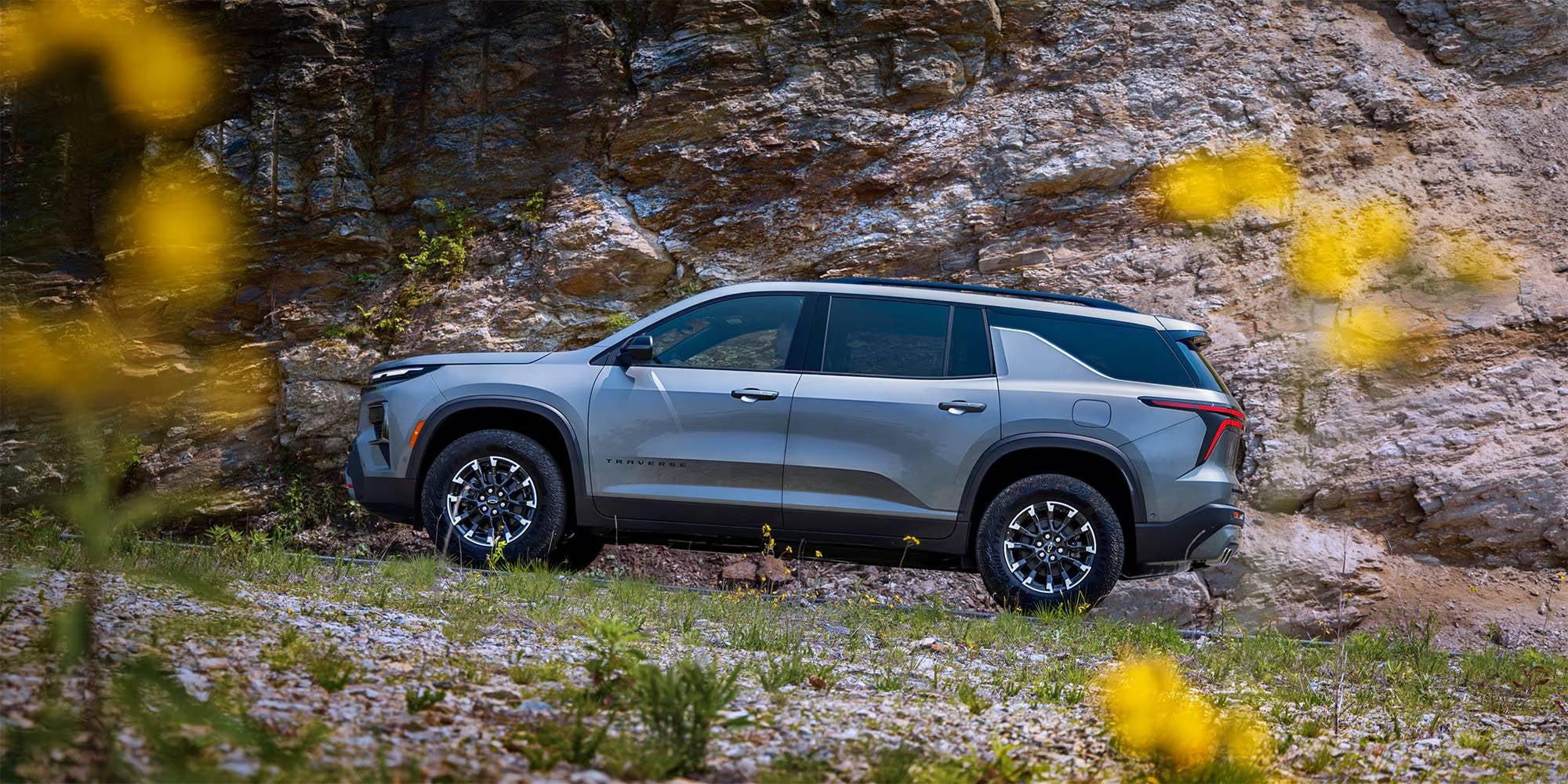
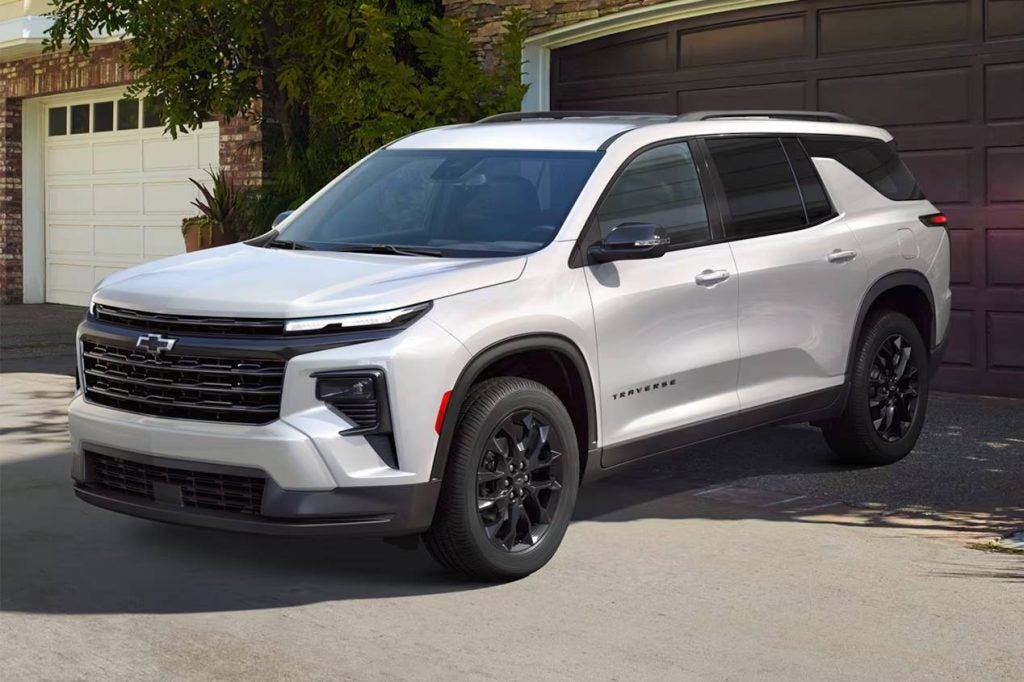
Line up the 2027 Chevy Traverse vs 2027 Toyota Highlander side by side, and the two SUVs take genuinely different approaches. Chevrolet builds the Traverse around a turbocharged gas engine paired with an 8-speed automatic, available in FWD or AWD depending on trim. Toyota, meanwhile, redesigned the Highlander from the ground up as a fifth-generation, all-electric-only model, so there's no gas or hybrid version for 2027.
Committing fully to electric power gave Toyota room to add a longer wheelbase and vehicle-to-load capability on the Highlander. Tacoma-area drivers who tow trailers, haul gear, or take long I-5 road trips without easy charging access at every stop will likely find the Traverse's traditional powertrain simpler to live with. That difference in approach shapes almost everything else in this comparison.
Performance and Towing: Traverse Takes the Lead
Under the hood, the 2027 Traverse runs a turbocharged 2.5L I4 engine producing 328 hp and 326 lb-ft of torque, routed through an 8-speed automatic transmission. More importantly for buyers who tow, Chevrolet rates every Traverse trim, LT, RS, Z71, and High Country, at 5,000 lb of towing capacity, regardless of whether you choose FWD or AWD. That consistency means you're not forced into a specific drivetrain or battery size just to get adequate towing numbers.
The Highlander EV takes a tiered approach instead. FWD models produce 221 hp and 198 lb-ft, while AWD versions step up to 338 hp with 198 lb-ft at the front motor and 125 lb-ft at the rear. Toyota has not published a towing rating for the Highlander EV, and pricing hasn't been announced either, with sales expected to begin late in 2026. Families planning to tow a boat toward Mount Rainier or haul a small trailer on a ferry run to the Olympic Peninsula have a published 5,000 lb figure to work from on the Traverse today.
Passenger Space and Cargo Capacity Compared
Space is where the size question gets interesting. Behind the third row, the Traverse offers 22.9 cu ft of cargo space, compared to 15.9 cu ft in the Highlander EV. Fold the third row down and the Traverse gives you 56.6 cu ft, while maximum cargo capacity climbs to 97.6 cu ft. Toyota publishes 45.6 cu ft for the Highlander EV with the third row folded and has not released a figure with both rear rows down.
Headroom and legroom in the Traverse measure 42.6 inches and 44.2 inches up front, 39.9 inches and 41.4 inches in the second row, and 38.5 inches and 32.1 inches in the third row. Seating comes standard for seven with second-row captain's chairs, and the LT trim offers an 8-passenger bench at no extra cost.
The Highlander EV counters with a longer wheelbase, up from 112 inches to 120.1, and an overall length of 198.8 inches, which does translate to solid legroom in certain rows. Second-row captain's chairs are standard for six-passenger seating, with a bench available only on the XLE AWD grade to reach seven.
For Tacoma families loading up gear for a weekend at Mount Rainier or packing for an Olympic Peninsula getaway, the Traverse's extra cargo volume in nearly every measurement makes a real difference once the trunk starts filling up.
Technology and Infotainment Features
Inside, the Traverse offers an 11.0-inch driver display paired with a 17.7-inch touchscreen, wireless Apple CarPlay and Android Auto, a wireless charging pad, six USB ports, and Google built-in for native navigation and apps. Audio ranges from a standard 6-speaker setup to an available 12-speaker Bose system for buyers who want richer sound on long highway stretches.
Toyota equips the Highlander EV with a standard 14-inch touchscreen, a digital instrument cluster, ambient lighting, and the latest Toyota Audio Multimedia system, also with Apple CarPlay and Android Auto support. It adds vehicle-to-load capability, letting owners power outside equipment directly from the battery, and offers an available 11-speaker JBL premium audio system. Both systems are capable, but the Traverse's larger touchscreen and Google built-in integration give it a slight edge for drivers who want quick, intuitive access to navigation and apps without relying solely on a paired phone.
If you're ready to compare trims in person, you can also browse our new Chevrolet inventory to see which Traverse configuration fits your family best.
Interior Comfort and Safety Advantages
Both automakers bring serious engineering to the safety category. Chevy Safety Assist comes standard across the entire Traverse lineup, bundling Automatic Emergency Braking, Forward Collision Alert, Front Pedestrian Braking, Lane Keep Assist with Lane Departure Warning, a Following Distance Indicator, and IntelliBeam automatic high beams. Chevrolet counts more than 20 standard safety and driver assistance features in total, with adaptive cruise control, blind zone steering assist, and rear cross traffic braking among them.
Toyota Safety Sense 4.0 (TSS 4.0) is standard on every Highlander, covering automatic emergency braking with pedestrian detection, adaptive cruise control, lane-departure and lane-keeping assist, automatic high beams, lane-tracing assist, road sign recognition, and proactive driving assist. The Highlander also includes Safe Exit Assist, 64-color customizable ambient lighting, and a standard Drive Recorder that captures short clips from the exterior cameras.
Where the Traverse pulls further ahead is Super Cruise, Chevrolet's hands-free driving system that comes standard on the RS and High Country trims and is available on LT and Z71. Toyota does offer Traffic Jam Assist on the Highlander Limited, but it is built for slow, congested traffic rather than open highway, and it requires a Drive Connect subscription. For long stretches of I-5 at speed, Super Cruise is the more useful of the two.
Why the 2027 Chevy Traverse Is the Smarter Choice
Toyota put real engineering effort into the Highlander EV. Its longer wheelbase, standard TSS 4.0 suite, and vehicle-to-load capability are genuine strengths worth acknowledging. Most Tacoma-area families need consistent towing power and usable cargo space more than anything else, though, and that's where the Traverse pulls ahead.
The universal 5,000 lb towing rating across every trim, the extra cargo volume behind every row, and the availability of Super Cruise combine to make the Traverse a more flexible everyday SUV. Whether you're loading gear for Mount Rainier, packing for an Olympic Peninsula ferry run, or just running errands around town, the Traverse handles it without asking you to choose a specific battery size or drivetrain first.
Schedule Your 2027 Chevy Traverse Test Drive at Titus-Will Chevrolet
See the Traverse for Yourself
Specs only tell part of the story, and the best way to feel the difference is behind the wheel. We invite you to schedule a test drive at Titus-Will Chevrolet and experience the 2027 Traverse's power, cargo room, and technology for yourself. Our team can walk you through the LT, RS, Z71, and High Country trims and help you find the right fit for your family and budget.
Get in Touch
Stop by our dealership at 11011 Pacific Avenue South, Tacoma, WA, call us at 253-448-8157, or contact Titus-Will Chevrolet online to get started. We're ready to help you make the smarter choice in the 2027 Chevy Traverse vs 2027 Toyota Highlander comparison.